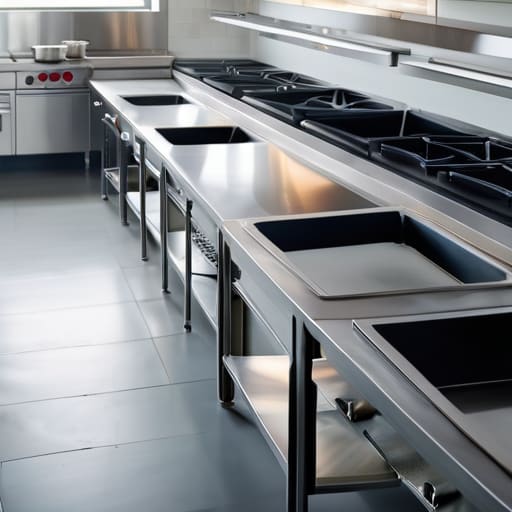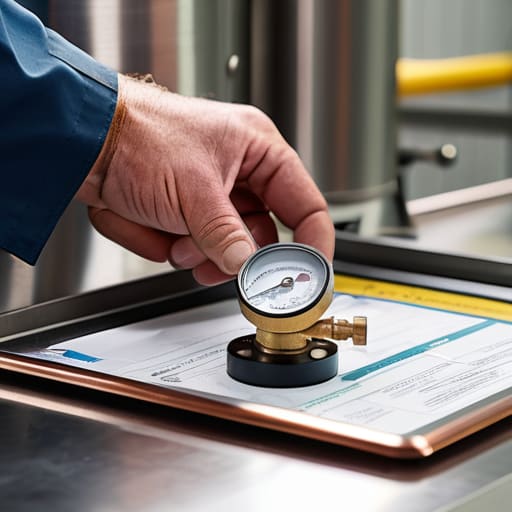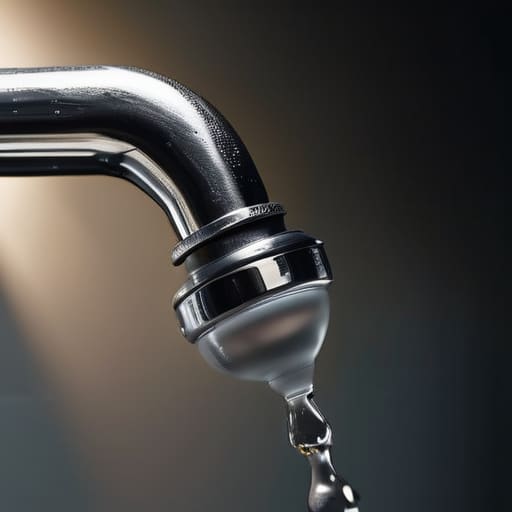
I remember standing in a primary school kitchen three years ago, watching a frantic midday service, when I noticed the prep sink water looked slightly… off. It wasn’t a dramatic, flowing river of sludge, but a subtle, murky quality that screamed neglect. The head cook immediately started lecturing me about their expensive, high-tech UV filtration unit, but when I asked to see the maintenance logs, there was nothing. That’s the problem: people think buying a piece of shiny hardware is the same as knowing how water systems should be managed. They spend the budget on the gadget and then completely forget about the human element—the flushing, the cleaning, and the actual oversight that keeps the water safe for the kids eating those meals.
I’m not here to sell you on fancy sensors or complicated plumbing upgrades that your staff will eventually ignore. Instead, I want to talk about the boring, repeatable habits that actually prevent contamination. I’m going to show you the practical, low-cost controls that work in a high-pressure kitchen, focusing on what you can actually sustain when you’re short-staffed and running behind schedule.
Table of Contents
Potable Water Safety Protocols You Can Actually Maintain
Potable water safety protocols you can actually maintain shouldn’t feel like a full-time job, but they do require a bit of discipline. In a school kitchen, I don’t expect you to be a master plumber, but I do expect you to notice when something feels off. The most effective thing you can do is implement simple stagnant water flushing procedures. If you have a tap or a drinking fountain that isn’t used every hour—maybe a handwash sink in a quiet corner—make it a non-negotiable part of the morning routine to run that water for a couple of minutes. It’s a small, boring task, but it prevents the kind of buildup that turns a healthy system into a risk.
Beyond the taps, you need to keep an eye on your storage. If you’re using tanks or calorifiers, don’t just let them sit there; ensure your water temperature control standards are being met and, more importantly, documented. I’ve seen too many kitchens where the thermometer says one thing and the logbook says another. If the temperature isn’t hitting the required mark, don’t just scribble down a “correct” number to please an inspector—call the maintenance team immediately. Keeping it real is better than keeping it perfect on paper.
Legionella Prevention Strategies for Understaffed Kitchens
Let’s be honest: when you’re staring down a lunch service for three hundred kids and the dishwasher is acting up, the last thing on your mind is Legionella. But here is the reality—this bacteria thrives in the exact conditions a busy, understaffed kitchen creates: lukewarm water and stagnation. If you have a sink or a tap that only gets used once a week, that water is sitting there, getting warm, and becoming a breeding ground. You don’t need a PhD in microbiology to fix this; you just need a disciplined routine of stagnant water flushing procedures.
I tell my teams to treat flushing like they treat their daily temperature logs: it’s non-negotiable. If a tap hasn’t been used in a few days, run it for two minutes. It’s a small, boring task, but it’s one of the most effective legionella prevention strategies you can implement without hiring a specialist. Don’t wait for a plumber to tell you the system is compromised; make sure your staff knows that moving water is safe water. It’s about building a habit that survives even your busiest, most chaotic shifts.
Five Low-Effort, High-Impact Water Controls That Actually Work
- Stop overcomplicating the logbook. I don’t care if you have a digital dashboard; if your staff isn’t actually checking the temperature of the hot water tank and noting it down, the system is failing. A blank page is a red flag that tells me nobody is looking.
- Flush the dead ends. If you have a tap or a prep sink that doesn’t get used much—maybe a handwash sink in a secondary prep area—it’s a breeding ground for biofilm. Make it a non-negotiable part of the morning routine to run those taps for two minutes. It takes sixty seconds, but it keeps the water moving.
- Watch your scale buildup. I’ve seen too many kitchens ignore a crusty, calcified nozzle on a spray tap. That scale isn’t just an eyesore; it’s a sanctuary for bacteria. If you can’t scrub it, replace the head. It’s cheaper than an outbreak.
- Manage your storage, not just your taps. If you’re using water dispensers or large containers for prep, they need to be cleaned with the same discipline as your cutting boards. A “clean” looking plastic jug is often a biofilm nightmare if it hasn’t been properly sanitised and dried.
- Training must be practical, not a slideshow. Don’t just tell staff “water safety is important.” Show them exactly how to check a filter and why a stagnant hose is a risk. If they understand that a bit of routine prevents a massive, kitchen-closing headache, they’re much more likely to actually do it.
The Bottom Line: What Actually Keeps the Water Safe
Forget the expensive gadgets for a moment; your most effective tool is a staff member who actually knows how to flush a dead-leg tap every single morning without being told.
If your temperature logs are a mess, your water safety is a guess—keep the documentation boring, brief, and consistent so you can prove you’re in control when I walk through the door.
Don’t try to overhaul the whole system at once; pick the high-risk areas, like the little-used taps or the cooling systems, and master the cleaning sequence there first.
Frequently Asked Questions
If I’ve just switched to a new cleaning chemical, do I need to redo my whole water safety assessment or just update the log?
You don’t need to scrap your entire risk assessment, but don’t make the mistake of thinking a quick note in the log is enough. If that new chemical changes how you’re sanitising surfaces or if it’s being introduced into a system that interacts with your water—say, a new concentrated dosing unit—you must update the assessment. You need to document that the new stuff is compatible and that your staff actually know the new contact times. Update the paperwork to reflect the reality.
We’re a small site with limited usage; is it actually worth the hassle of a formal flushing regime, or is that just box-ticking?
It’s not box-ticking; it’s preventing a crisis you don’t have the budget to manage. In a low-usage site, water sits. Stagnant water is a breeding ground, plain and simple. If you aren’t using those taps daily, you’re essentially letting a biofilm build up in your pipes. You don’t need a complex manual—just a disciplined, documented routine of flushing outlets weekly. It’s a small, boring task that keeps a massive, expensive problem at bay.
How do I actually prove to an inspector that my staff are flushing the dead legs without spending half the morning on paperwork?
Stop trying to write a novel every morning. I don’t want to see a three-page narrative; I want to see a simple, dated logbook with a single tick or a signature next to the specific taps or outlets that were flushed. If you’ve got a designated “dead leg” list, make that your checklist. When I walk in, I’m looking for consistency, not calligraphy. A quick, honest log proves the habit exists.