I remember standing in a school kitchen three years ago, the midday rush hitting like a tidal wave, watching a cook rinse his hands for about three seconds before grabbing a tray of sliced tomatoes. He wasn’t being lazy; he was just exhausted and trying to keep up with a service that was already twenty minutes behind. It’s in those frantic, high-pressure moments that the theory of how handwashing should be done usually flies right out the window. Most training manuals make it sound like you need a meditative, twenty-step ritual involving expensive, antimicrobial soaps that do more harm to your budget than they do to bacteria.
I’m not here to give you a lecture or a list of impossible ideals that fall apart the moment your lunchtime rush starts. Instead, I want to talk about the functional reality of hygiene when you’re short-staffed and under the gun. I’m going to show you the bare-minimum, non-negotiable sequence that actually works in a busy kitchen—the kind of discipline that keeps the inspectors happy and, more importantly, keeps the kids safe. We’re going to focus on the small, boring habits that actually reduce risk without adding another layer of impossible bureaucracy to your day.
Table of Contents
Mastering the Who Handwashing Steps When Time Is Tight
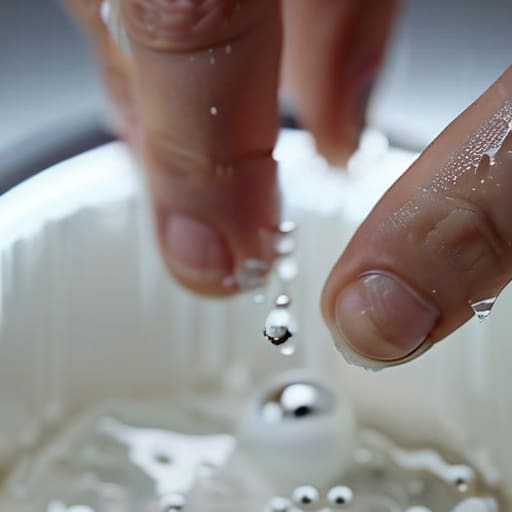
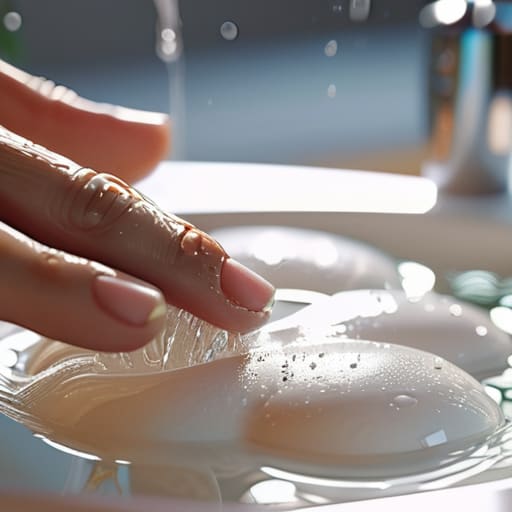
The WHO handwashing steps aren’t just a suggestion from a textbook; they are a mechanical sequence designed to ensure you aren’t just wetting your skin and calling it a day. When I walk into a kitchen during the lunch rush, I don’t expect a choreographed dance, but I do expect to see the friction. You have to get between the fingers and under the nails. If you’re just rubbing your palms together for three seconds, you aren’t actually preventing germ transmission; you’re just making the surface of your skin slightly more slippery.
I know what you’re thinking: “I have forty covers coming in ten minutes, I’ll just use the gel.” Here is the reality of sanitizer vs soap: if your hands are even slightly greasy or have visible residue from prep work, the alcohol-based sanitizer is essentially useless. It can’t penetrate the grime to reach the pathogens underneath. If you’ve been handling raw protein or even just heavy starch, you need the mechanical action of soap and water. It’s about effective removal, not just chemical killing. Focus on the friction, hit the thumbs and the wrists, and get back to the line.
Soap and Water Effectiveness vs the Sanitizer Myth
I’ve seen it a hundred times: a staff member finishes prepping raw poultry, looks at the clock, and reaches straight for the gel dispenser instead of the sink. There is a dangerous misconception in busy kitchens that hand sanitizer is a shortcut, but let’s get one thing straight—sanitizer is not a substitute for scrubbing. While alcohol-based rubs are great for a quick refresh when you’re moving between low-risk tasks, they simply cannot cut through the physical grime, grease, or organic matter that builds up during service.
If your hands are even slightly oily or have traces of protein on them, the sanitizer won’t even reach the skin effectively; it just sits on top of the mess. This is where we see the breakdown in preventing germ transmission. When you are dealing with high-risk allergens or raw proteins, you need the mechanical action of friction and the rinsing power of running water to actually lift the pathogens away. Relying on gel when you should be at the sink isn’t just a shortcut; it’s a gamble with the safety of every plate that leaves your pass.
The Reality Check: 5 Ways to Stop Handwashing from Becoming a Box-Ticking Exercise
- Stop treating the sink like a pit stop. If your staff are just splashing water and a quick rub of soap before running back to the prep station, they aren’t washing their hands; they’re just wetting them. You need enough friction to actually move the grime, and that takes more than three seconds.
- Watch the “transition” moments. The most dangerous time for a kitchen isn’t when things are quiet; it’s during the mid-service rush. I see it constantly: someone touches a raw chicken fillet, then reaches for a clean knife or a spice jar without hitting the sink. If the task changes, the hands must change too. No exceptions.
- The fingernails are where the real nastiness hides. You can scrub your palms until they’re red, but if you’ve been prepping garlic or handling raw meat and you haven’t used a nail brush or at least some vigorous friction under the tips, you’re still carrying a microbial load. It’s a small detail that makes a massive difference in a lab test.
- Dry your hands properly or don’t bother. I’ve seen people wash their hands perfectly, only to dry them on a damp, greyish tea towel that’s been hanging on the oven door for three days. That’s not drying; that’s re-contaminating. Use single-use paper towels or a high-quality, strictly managed drying system.
- Fix the environment, not just the people. If your handwash station is tucked behind a stack of empty crates or the soap dispenser is broken and everyone’s just “making do,” you’ve already lost the battle. If it isn’t easy and accessible to do it right, your staff won’t do it right when the lunch rush hits.
The Bottom Line: What Actually Matters When the Lunch Rush Hits
Stop relying on hand sanitiser as a shortcut; if your team has grease, flour, or protein on their hands, the gel is just making a sticky mess, not cleaning them.
Handwashing isn’t a “whenever you can” task—it has to be a hard stop every time you switch from raw prep to ready-to-eat, or every time you touch your face, your phone, or a bin lid.
Forget the idea of a perfect twenty-step ritual that takes five minutes; focus on the friction—scrubbing the backs of hands, between fingers, and under nails—because that’s where the pathogens actually hide.
Frequently Asked Questions
If my team is constantly switching between prep tasks, at what exact point does a quick rinse stop being enough and a full scrub become mandatory?
Stop thinking about “quick rinses” as a shortcut; in a busy kitchen, they’re just a way to spread bacteria around. A rinse is never enough when you switch from raw protein to veg, or from handling allergens to general prep. The rule is simple: if the task changes, the hands get washed. If you’ve touched a bin lid, a phone, or a dirty cloth, you’re not just rinsing—you’re scrubbing. Period.
We have a limited number of sinks in the kitchen; how do we manage handwashing without causing a massive bottleneck during the lunch rush?
The bottleneck is a symptom of poor workflow, not just a lack of plumbing. If your team is fighting over one sink during the rush, you’ve already lost the battle. Don’t try to force everyone to wash at once; instead, stagger your prep so staff aren’t all transitioning from raw to ready-to-eat at the same peak moment. Assign a “cleaning lead” to monitor the flow, and if you can, get a portable, dedicated handwash station. It’s not fancy, but it keeps the line moving safely.
When we're using single-use paper towels versus air dryers, which one is actually more practical for keeping the kitchen hygienic when we're understaffed?
If you’re understaffed and rushing, go with the paper towels. I know, it’s more waste and more restocking, but high-speed air dryers are a hygiene trap in a busy kitchen. They aerosolise moisture and bacteria, blowing them right back onto your clean hands or, worse, onto the prep surfaces nearby. In a real-world service, the mechanical friction of a paper towel is what actually gets the job done. Keep it simple: dry thoroughly, then get back to the line.