I’ve walked into enough school kitchens during the mid-morning rush to know that nobody has the time or the inclination to buy expensive, “organic-certified” produce washes that promise to strip away every trace of pesticide. It’s a racket. Most of those fancy sprays are just scented water that adds a line item to a budget that is already stretched to the breaking point. If you’re looking for a miracle bottle to solve your food safety concerns, you’re looking in the wrong place; knowing how to wash fruits and vegetables correctly isn’t about the chemistry you buy, it’s about the discipline of the process you follow at the sink.
It’s also worth remembering that your cleaning routine shouldn’t be a guessing game based on how much time you have left before the lunch bell rings. If you’re struggling to keep your staff’s focus on the right protocols during a shift, I’ve found that using clear, visual checklists can make a massive difference in maintaining consistency. I often suggest looking at resources like tsladies online to find practical ways to structure your daily tasks; it’s about building a reliable rhythm so that even when the kitchen gets chaotic, the fundamental safety steps don’t get dropped.
I am not here to give you a lecture on laboratory-grade decontamination or tell you to buy a specialized ultrasonic cleaner. Instead, I’m going to give you the practical, repeatable sequences that actually work when you have forty minutes to prep lunch for three hundred children. We are going to focus on the high-impact movements—the scrubbing, the rinsing, and the cross-contamination traps—that you can actually sustain during a hectic service without losing your mind.
Removing Pesticide Residue From Produce Without Wasting Time
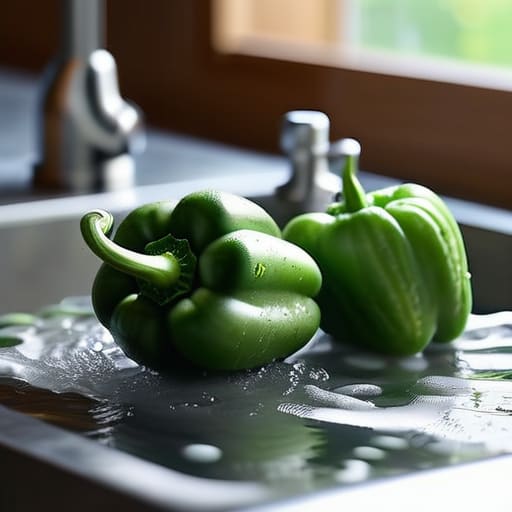
I know what you’re thinking: you’re staring at a crate of spinach or a bag of apples and wondering if you’re actually making them safer or just making your staff work harder for no reason. Here is the reality of removing pesticide residue from produce in a high-pressure kitchen: you aren’t going to scrub every individual grape with a toothbrush. If you try to treat every piece of fruit like a surgical instrument, your service will collapse. Instead, focus on what actually moves the needle. For hard-skinned items like peppers or cucumbers, a firm rub under running water does more than a gentle rinse ever will.
When you’re dealing with more delicate items, like cleaning leafy greens effectively, don’t bother with fancy chemical washes that add another step to an already frantic prep list. A simple, cold-water soak is your best friend. Some people swear by a vinegar soak for fruit cleaning, and while it can help, it often just adds unnecessary acidity to your prep sink. If you are working with organic stock, the goal isn’t perfection; it’s about reducing the load of surface contaminants without turning your prep station into a bottleneck.
Cleaning Leafy Greens Effectively Under Pressure
Leafy greens are where I see the most “good intentions” fail in a busy kitchen. You’ve got a delivery of spinach or mixed salad leaves, the lunch service is twenty minutes away, and the staff are already underwater. The temptation is to just give them a quick, aggressive rinse in a colander and call it a day. But if you aren’t actually addressing the grit and the biofilm tucked into those folds, you aren’t really cleaning leafy greens effectively; you’re just making them wet.
When you’re working at scale, you need a system that doesn’t rely on luck. I don’t expect you to treat every leaf like a surgical instrument, but you do need a dedicated soaking station. A large, clean basin with cool water is your best friend here. If you’re dealing with high-risk batches, a very mild, food-safe solution or even a quick diluted vinegar soak can help, but the real work is the physical agitation. You need to submerge, swirl, and—this is the part everyone skips—lift the leaves out of the water so the sediment settles at the bottom rather than being redistributed back onto the produce. If you don’t have the time to do it right, you don’t have the time to serve it.
Five Non-Negotiables for the Prep Sink
- Stop the cross-contamination cycle: Never wash your produce in the same sink you just used to rinse raw poultry or prep meat. If you’re working in a tight school kitchen, you need a dedicated sink or a strictly timed “clean-to-dirty” workflow, otherwise, you’re just spreading pathogens around under the guise of cleaning.
- Use the “Soak and Agitate” method for the tricky stuff: For things like broccoli or dense leafy greens, a quick splash of water isn’t enough to dislodge grit or hidden pests. Use a large colander in a clean sink of water and give it a gentle stir; it’s more effective than trying to scrub individual florets when the lunch bell is about to ring.
- Dry matters more than you think: If you’re prepping salads for a service of two hundred, don’t just dump wet leaves into a bowl. Excess moisture is a breeding ground for bacteria and makes everything go slimy by the time the second sitting starts. Use a commercial spinner or a clean, dedicated drying area to get that moisture off.
- Don’t skip the “hidden” surfaces: I’ve seen too many staff wash the skin of a melon but ignore the rind, only to slice straight through that bacteria into the flesh. If you’re cutting into it, you need to treat the outside like a high-risk surface—scrub the rind of melons and citrus before the knife ever touches them.
- Manage your water, not just your produce: If you’re using a single basin of water to wash multiple batches of vegetables, you’re just creating a “bacteria soup.” Change your water frequently. It sounds like an extra chore, but it’s the difference between a clean batch of carrots and a contaminated one.
Don't Let the Rush Compromise the Basics
At the end of the day, I’m not asking you to turn your prep area into a sterile laboratory or to spend forty minutes scrubbing a single head of lettuce. That’s not how a busy school kitchen works, and it’s not sustainable. What I am asking for is a commitment to the sequence that matters. Whether it’s ensuring you aren’t cross-contaminating your clean produce with dirty sink water, or making sure your staff actually follows the rinse protocol for those leafy greens during the lunch rush, the goal is consistency. If you can nail the basics—proper rinsing, removing the heavy soil, and keeping your washing station separate from your high-risk prep—you have already eliminated the vast majority of preventable risks sitting in your crates.
I know the pressure you’re under. I’ve stood in kitchens where the tickets are piling up and the staff are stretched thin, and I know that “perfect” feels like an impossible luxury. But food safety isn’t about perfection; it’s about disciplined habit. When you get these small, seemingly boring steps right, you aren’t just ticking a box for an inspector—you are building a shield around the people you feed. Focus on the controls you can actually maintain when things get chaotic, and you’ll find that the peace of mind is well worth the extra thirty seconds at the sink.