If you’ve spent any time on social media, you’ve seen the “aesthetic” version of meal prepping: twenty identical glass containers filled with perfectly cubed sweet potatoes and sous-vide chicken, laid out like a laboratory experiment. It’s a lie. Most people trying to learn how to meal prep for beginners don’t need a Pinterest board; they need a way to feed themselves without a massive sink full of dishes or a food poisoning incident on a Tuesday night. I’ve spent sixteen years inspecting commercial kitchens, and I can tell you that the most dangerous thing in a kitchen isn’t a dull knife—it’s overconfidence in a system that is too complicated to actually follow when you’re tired.
I am not here to teach you how to spend your entire Sunday in a kitchen trance. Instead, I’m going to show you how to build a sustainable rhythm that prioritizes food safety and actual sanity. We are going to focus on the boring, essential stuff—temperature control, smart batching, and intelligent ingredient reuse—that keeps your food safe and your stress levels low. I’ll tell you what you can realistically maintain when life gets chaotic, and we’ll skip the expensive gadgets in favor of what actually works.
Mastering Your Meal Prep Grocery List Essentials
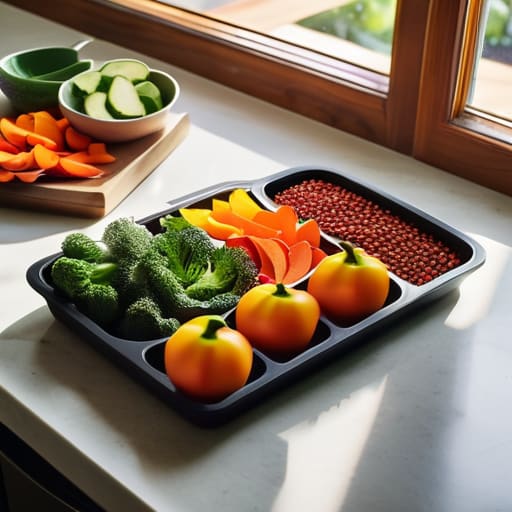
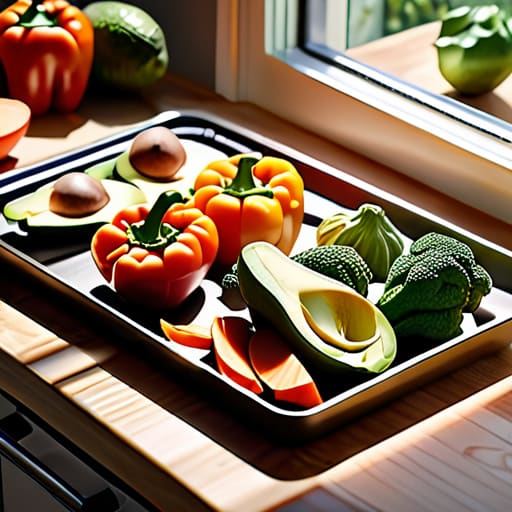
Now, once you have your containers and your list, you’ll likely find yourself staring at a pile of raw ingredients and feeling that familiar, mid-week panic. My advice is to avoid the trap of complex, multi-step recipes that require twenty different spices and an hour of prep you don’t have; instead, focus on building a modular system where you prep components—like a tray of roasted vegetables or a batch of grains—that can be swapped around. If you’re feeling stuck on how to actually structure these combinations without ending up with a fridge full of wasted food, I’ve found that having a bit of community guidance helps, so you might want to chat on casualkent to see how others are simplifying their weekly routines without losing their minds.
The biggest mistake I see—and it’s one I’ve made myself when trying to feed a crowd on a Sunday afternoon—is walking into a supermarket without a tactical plan. You end up with a trolley full of “good intentions” that eventually turn into a science experiment in the bottom drawer of your fridge. To avoid this, your meal prep grocery list essentials need to be built around versatility rather than variety. Instead of buying ingredients for five distinct, complex recipes, look for components that play well together. Think of it as building a kit: a large bag of versatile greens, two types of lean protein, and a base grain that won’t turn to mush by Wednesday.
When you’re looking for budget friendly meal prepping, the secret is buying in bulk where it makes sense, like grains or frozen vegetables, but being precise with your perishables. If you overbuy fresh produce because you’re feeling optimistic, you’re essentially throwing money into the bin. I always tell people: buy for the meals you know you can actually execute, not the ones you saw on a glossy food blog. Keep your list focused on these high-utility staples to ensure you aren’t just prepping food, but prepping food that stays safe and edible.
Choosing Reliable Meal Prep Containers for Beginners
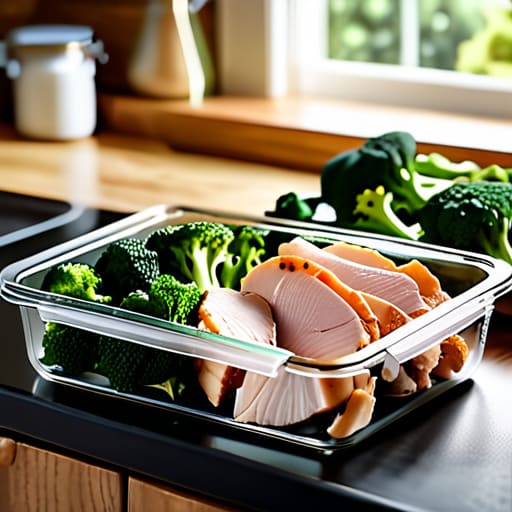
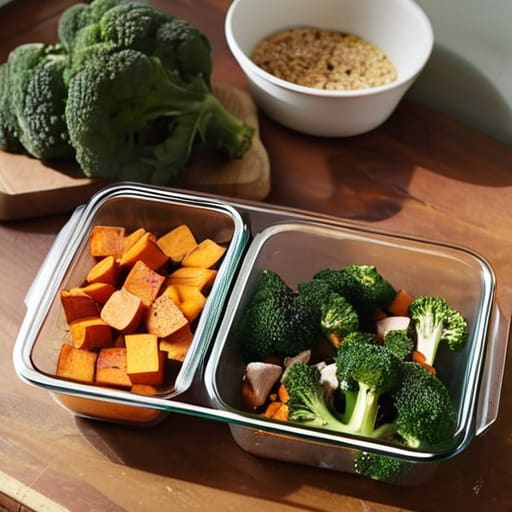
Don’t let the fancy, color-coded sets you see on social media fool you; you don’t need a designer pantry to get this right. When you’re looking for meal prep containers for beginners, your first priority isn’t aesthetics—it’s the seal. If a lid doesn’t lock tight, you aren’t just dealing with a messy fridge; you’re inviting cross-contamination and bacterial growth. I’ve seen far too many people lose an entire week’s worth of effort because a cheap plastic lid failed, leaving cooked chicken sitting in a pool of lukewarm moisture.
If you can afford it, go for glass. It’s more expensive upfront, but it’s the gold standard for a reason: it doesn’t stain, it won’t leach chemicals when you reheat your food, and it’s much easier to tell if something has actually gone off. However, if you are focusing on budget friendly meal prepping, high-quality, BPA-free plastic is perfectly fine, provided you replace them the moment they become scratched or warped. A scratched container is a hiding place for old food particles that no amount of scrubbing will reach. Focus on durability and airtight seals, and your food will actually stay safe until Friday.
Five Practical Rules to Keep Your Prep Safe and Sustainable
- Stop the “all-at-once” madness. I’ve seen too many people try to cook seven different meals on a Sunday and end up with a kitchen disaster and a fridge full of lukewarm food. Pick two proteins and two vegetables, master the temperature control for them, and build a system you can actually maintain when the Monday morning rush hits.
- Respect the “Danger Zone” during your cooldown. This is where most beginners fail. You cannot pull a massive, steaming pot of stew from the stove and shove it straight into the fridge; you’ll raise the temperature of the entire unit and put everything else at risk. Divide large portions into smaller, shallow containers so they cool down rapidly and safely.
- Label everything with more than just a date. I don’t care if you think you’ll remember that the chicken was cooked on Sunday; you won’t. Use a masking tape and a thick marker to write the food item and the date clearly. If it’s not labelled, it’s a mystery, and in my world, mysteries lead to food poisoning.
- Batch cook, but don’t batch-store everything in one go. If you’re prepping for the whole week, keep half of your cooked portions in the freezer immediately. Leaving five days’ worth of cooked meat sitting in the fridge is asking for bacterial growth, even if your fridge is running cold.
- Clean as you go, or don’t bother prepping at all. A cluttered, messy workspace is where cross-contamination thrives. If you’re prepping raw chicken and then moving straight to chopping salad without a deep, methodical clean of the surfaces and boards, you’ve defeated the entire purpose of being organized.
Don't Aim for Perfection, Aim for Control
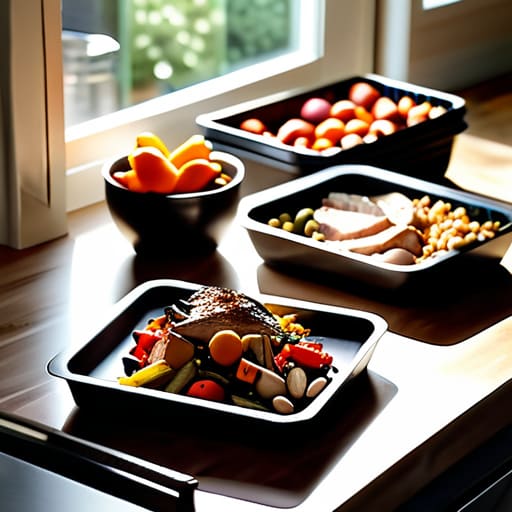
At the end of the day, meal prepping isn’t about having a Pinterest-perfect spread of glass containers lined up in your fridge like a museum exhibit. It is about building a system that actually holds up when Tuesday afternoon hits and you’re exhausted. We’ve covered the essentials: getting your grocery list sorted so you aren’t wandering aimlessly through aisles, and investing in containers that won’t leak or trap bacteria. If you can manage your shopping list and keep your food in the right vessels, you have already won half the battle. Remember, the goal is to reduce the chaos, not to add a new, stressful chore to your weekly schedule. Focus on the practical basics—the stuff that keeps your food safe and your budget intact—and let the rest go.
I know how easy it is to feel overwhelmed when you’re staring at a mountain of raw ingredients and a ticking clock. But I have seen how much a little bit of foresight can change the temperature of a household. When you take twenty minutes to prep a batch of protein or chop a few vegetables, you aren’t just making food; you are protecting your future self from the temptation of unsafe, expensive takeout. Start small. If you can only manage to prep two lunches this week, then do those two well. Build a system you can actually sustain, and I promise you’ll find that the peace of mind is worth every minute of the prep.