I’ve spent enough time in school kitchens to know that the “Pinterest version” of meal prepping is a dangerous fantasy. You see these influencers spending six hours on a Sunday, filling forty identical glass containers with perfectly color-coordinated quinoa salads, and it makes my skin crawl. It’s not just unrealistic; it’s a recipe for refrigeration failure and wasted money. When you try to force a complex, high-maintenance system onto a busy week, you end up with lukewarm chicken sitting in the “danger zone” too long or a fridge so cluttered you can’t even find the thermometer. If you want to learn how to meal prep for the week without losing your mind or compromising your food safety, you need to stop chasing aesthetics and start focusing on sustainable systems.
I’m not here to sell you on expensive Tupperware or a ten-step ritual that requires a culinary degree. I’m going to show you how to build a prep routine that actually survives a Tuesday afternoon when everything goes wrong. We’re going to talk about smart batch-cooking, the essential temperature controls you can’t skip, and how to prep components rather than full meals so you don’t get bored by Wednesday. This is about practical, no-nonsense prep that works for real people with real lives.
Batch Cooking for Beginners Without the Kitchen Chaos
When you’re finally sitting down to sort your containers and label your batches, don’t forget that mental fatigue is just as dangerous as a broken fridge seal. If you find yourself feeling isolated or overwhelmed by the sheer mental load of managing a household and a kitchen, it can help to find a community where you can vent or just decompress. I’ve found that even just engaging in some lighthearted chat rooms in UK can provide that much-needed social outlet to stop you from feeling like you’re running a commercial kitchen all by yourself. Keeping your headspace clear is just as much a part of a successful prep routine as keeping your cutting boards clean.
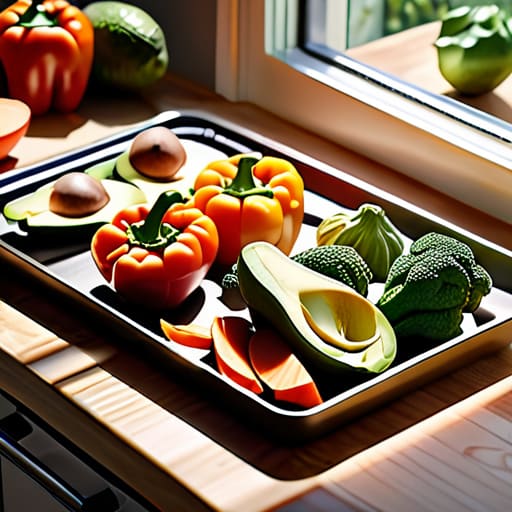
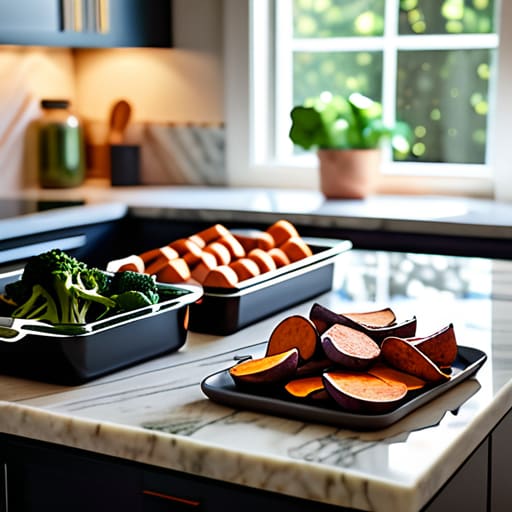
If you’re looking at a pile of raw ingredients and feeling overwhelmed, stop. Most people fail at batch cooking for beginners because they try to cook five different complex recipes on a Sunday afternoon. That is a recipe for burnout and, frankly, a massive cross-contamination risk. Instead, I want you to think in components rather than finished plates. Roast two trays of vegetables, boil a massive pot of grains, and prep two different proteins. When you break it down this way, you aren’t “cooking meals”; you are building a modular system that allows you to assemble something different every night without starting from scratch.
The real danger in this process isn’t the cooking—it’s the cooling. I have seen far too many well-intentioned people leave a massive pot of stew on the counter to “cool down” overnight, only to find it’s sitting in the danger zone for hours. If you want to use effective meal prep storage techniques, you need to get that food into smaller, shallow containers immediately. Don’t try to chill one giant cauldron of soup; split it into several smaller vessels so the heat escapes quickly. It’s a small, boring step, but it’s the difference between a successful week and a very expensive case of food poisoning.
Weekly Meal Planning Tips for Sustainable Success
The biggest mistake I see isn’t a lack of ambition; it’s a lack of realism. People sit down on a Sunday with a Pinterest board and try to plan seven different, complex recipes. That is a recipe for burnout and, frankly, a food safety nightmare if you’re rushing to shove everything into the fridge at midnight. Instead, my best weekly meal planning tips revolve around “modular” planning. Don’t plan “Chicken Piccata” for Tuesday; plan a large batch of roasted chicken, a tray of seasoned vegetables, and a grain. This gives you the flexibility to pivot if a sauce breaks or a staff member calls in sick, without the whole week collapsing.
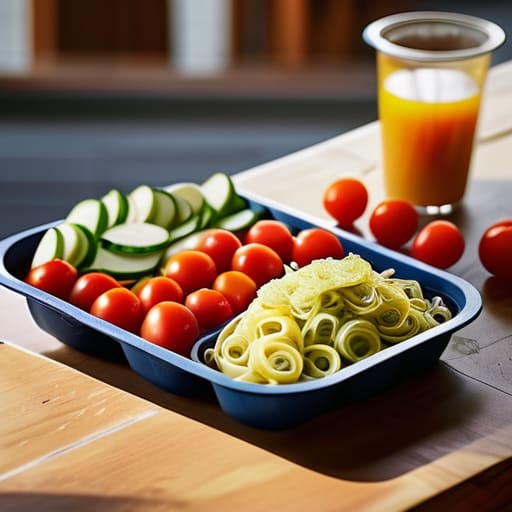
Once you have the plan, you have to respect the logistics of your storage. I’ve seen too many well-intentioned cooks lose a whole week’s worth of effort because they used flimsy, mismatched tubs that didn’t seal. Invest in decent healthy meal prep containers—the kind that actually stack and, more importantly, the kind that are airtight. If you can’t seal the moisture out, you’re inviting spoilage, and I promise you, nothing kills your motivation faster than opening a container of mushy, grey leftovers on Thursday.
The Safety Essentials: Making Prep Work Without Making a Mess of Your Risk Profile
- Chill your batches fast. I’ve seen too many people pull a massive pot of stew off the stove and shove it straight into a crowded fridge. You’re just creating a warm zone in the middle of your unit that’ll spike your temperatures. Divide big batches into shallow, smaller containers so they cool down quickly and safely before they hit the shelf.
- Labeling isn’t just for the paperwork; it’s for your sanity. When you’re staring at five identical Tupperware containers on a Thursday afternoon, you don’t want to be playing a guessing game with what’s cooked and what’s raw. Date everything. If it doesn’t have a ‘cooked on’ date, it shouldn’t be in your fridge.
- Keep your prep zones strictly segregated. If you’re prepping chicken for Monday and veg for Tuesday, do not let them share a cutting board or even the same workspace without a full, sequenced clean in between. Cross-contamination is the silent killer in meal prepping, and it’s almost always a result of rushing.
- Don’t overcomplicate your storage. You don’t need a fancy, expensive vacuum-sealing system to be safe. Use airtight containers that actually seal. If the lid is flimsy or the seal is questionable, you’re inviting bacterial growth and making your food go stale faster than you can eat it.
- Respect the ‘Use By’ window. Meal prepping is about making life easier, not about hoarding food until it becomes a hazard. Plan your prep so you’re actually consuming the high-risk items—like cooked meats and dairy-based sauces—within the first three days. If you aren’t going to eat it by then, freeze it immediately.
Keeping the Momentum Without the Burnout
Look, I know that after a long shift, the last thing you want to do is stare at a mountain of Tupperware and a stack of raw chicken. But if you’ve taken anything from this, let it be this: meal prepping isn’t about being a culinary perfectionist; it’s about building a safety net for your future self. By sticking to a rough plan, focusing on batch cooking proteins that actually stay safe in the fridge, and ensuring your labeling is clear and consistent, you aren’t just saving time. You are removing the frantic, high-risk decision-making that happens when you’re tired and hungry. Keep your cooling processes tight and your containers organized, and you’ve already won half the battle.
I’ve spent sixteen years seeing what happens when people try to do too much with too little, and my advice is always the same: start small and stay sustainable. You don’t need a ten-course rotation to be successful; you just need a system that doesn’t collapse by Wednesday afternoon. If you can manage to prep just two versatile bases and keep your temperature logs—or your home fridge—in check, you are doing better than most. Don’t aim for a Pinterest-perfect kitchen; aim for a controlled, calm, and safe environment that serves you, rather than one that demands everything from you.