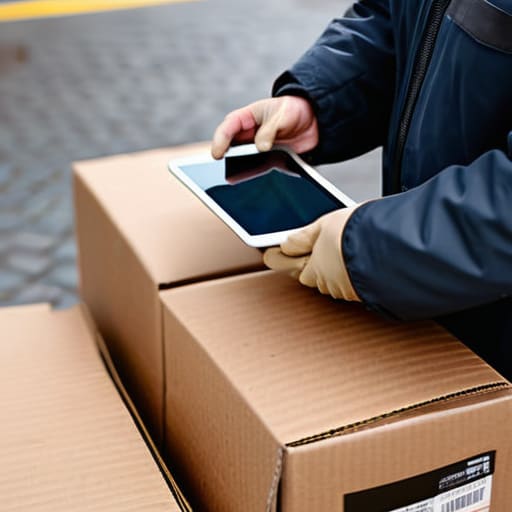
I can still smell the damp cardboard and the faint, sickly scent of warm milk from a delivery I inspected in a secondary school kitchen five years ago. It was 8:15 AM, the staff were already frazzled by a broken dishwasher, and the driver was hovering by the door, looking at his watch like he had somewhere better to be. In that chaos, the standard way of doing things—just signing the invoice and shoving everything into the walk-in—was ignored. Most people think how deliveries should be checked involves some high-tech digital scanning system or a thirty-page manual, but that’s nonsense. In a real kitchen, it’s actually about not letting the chaos win before the first lunch service even begins.
I’m not here to give you a theoretical lecture or a checklist that will just end up gathering dust in a folder. I want to talk about the practical, slightly gritty reality of what actually works when you’re short-staffed and under pressure. I’ll show you the three or four non-negotiable things you need to do to ensure you aren’t accidentally bringing a massive risk through your back door, and I’ll be honest about what you can realistically sustain when the morning rush hits.
Table of Contents
Why Food Safety Delivery Compliance Starts at the Dock
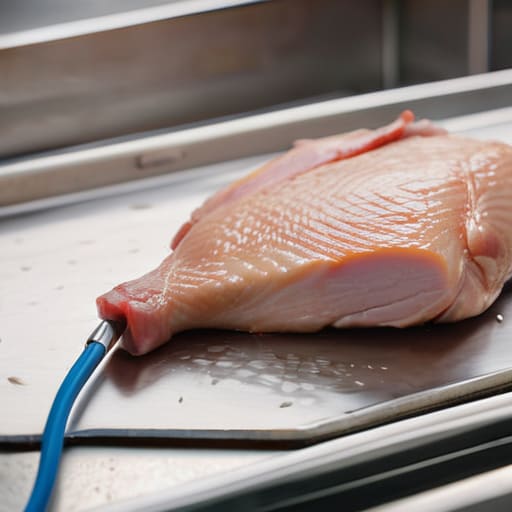
I’ve stood on too many loading bays to count, watching a distracted driver shove crates of milk and raw chicken into a corner while the kitchen staff are halfway through prep. Here is the reality: once those goods are in your walk-in, they are your problem. If the temperature was already climbing in the van, no amount of perfect storage on your end will fix the microbial load that’s already started. This is where cold chain management protocols actually matter; it’s not about having a fancy manual on a shelf, it’s about the person standing there with the probe making sure the protein is actually at 5°C before it enters your building.
If you treat the delivery as a mere logistical hand-off rather than the first line of defense, you’ve already lost the battle. I’m not asking for a twenty-minute interrogation of every driver, but you need a basic receiving goods inspection checklist that focuses on the high-risk stuff. Check the seals, check the temperatures, and for heaven’s sake, check the dates. If you let a damaged box of eggs or a lukewarm tray of meat slip through the door just because you’re in a rush, you aren’t just saving five minutes—you’re inviting a crisis that will take much longer to manage.
The Damaged Goods Receiving Procedures You Cant Skip
It’s easy to get caught up in the rush of a Tuesday morning delivery, especially when you’re staring down a mountain of crates and a clock that’s ticking toward lunch service. But if you’re just signing the driver’s manifest and waving them away, you’re asking for trouble. I’ve seen too many kitchens take in dented tins or torn sacks of flour because the staff were too busy to look twice. You need a set of damaged goods receiving procedures that are so ingrained they happen without thinking. If a box is crushed, if a seal looks even slightly compromised, or if a bag of rice has been nicked by a pallet jack, it doesn’t go into your stores. You reject it. Period.
Don’t treat this as an extra chore; treat it as your first line of defense. A dented can might look fine, but that tiny compromise in the metal is an invitation for botulism. When you’re establishing your inventory quality control standards, make it clear to the team that it is better to have a shortage for one meal than to serve something unsafe. If the packaging isn’t intact, the contents aren’t yours to keep.
The Five Non-Negotiables: What I’m Looking for When I Walk into Your Stores
- Stop the “Sign and Forget” Habit. I’ve seen too many delivery notes signed off in three seconds flat while the driver is already halfway down the road. If you aren’t actually looking at the labels, you aren’t checking a delivery; you’re just rubber-stamping a potential disaster.
- Temperature is the Only Metric That Matters. I don’t care if the driver is polite or if the invoice is correct if that chicken is sitting at 12°C. Get your probe out, check the high-risk proteins immediately, and if it’s in the danger zone, send it back. No arguments, no “we’ll cook it today.”
- The “Pack-to-Floor” Rule. I know it’s a pain when you’re short-staffed, but if a crate of eggs or a bag of flour is sitting directly on a dirty floor for even ten minutes while you find space, you’ve already lost the battle. Everything needs to go straight from the truck to a clean, designated area.
- Watch the Packaging, Not Just the Product. A dented tin or a torn bag of flour isn’t just an aesthetic issue; it’s a breach in the barrier. If the seal is compromised, the contents are suspect. If it looks dodgy, it is dodgy. Don’t let a supplier talk you into keeping “mostly intact” stock.
- Traceability is Your Safety Net. If I ask you to show me the batch code on that specific bag of flour, you shouldn’t be hunting through three different cupboards. Checking the delivery means confirming that what is on the paper matches exactly what is entering your fridge.
The Bottom Line: What Actually Matters When the Van Pulls Up
Stop treating deliveries like a chore to be rushed through; if you aren’t checking the temperature of the proteins the second they hit the floor, you aren’t managing risk, you’re just gambling.
A crushed box or a torn seal isn’t just “messy”—it’s a broken barrier that you shouldn’t be willing to pay for, let alone store in your fridge.
Forget the massive, complicated spreadsheets that no one actually uses; focus on the three or four critical checks your team can actually sustain during a frantic morning rush.
Frequently Asked Questions
What do I actually do if the driver is in a rush and refuses to wait while I check the temperatures?
Look, I’ve been on both sides of that standoff. The driver is behind schedule, your prep team is waiting, and the pressure is on. But here’s the reality: if that driver leaves before you’ve probed the high-risk proteins, that’s your liability, not theirs. Don’t argue, just be firm. Tell them, “I can’t sign for this until I’ve checked the temp.” If they refuse, reject the delivery. It’s easier to deal with a late ingredient than a food poisoning outbreak.
If a delivery is slightly over the temperature limit but the food looks and smells fine, is it worth the argument to send it back?
Look, I know the feeling. You’re short-staffed, the driver is in a rush, and the chicken looks perfectly fine. But “looks and smells fine” is how people end up in the hospital. If it’s over the limit, it’s a risk you shouldn’t own. Don’t make it a fight if you don’t have to—ask them to re-chill it or swap it—but if they won’t, send it back. Your reputation isn’t worth a lukewarm delivery.
How much paperwork is actually necessary for a small team—do I really need to log every single item, or just the high-risk ones?
If you try to log every single bag of flour and tin of tomatoes, you’ll stop doing it by week three. I’ve seen it happen. Don’t do that. Focus your energy where the risk lives. You need a rigorous temperature check and a quick visual inspection for every high-risk delivery—meat, dairy, chilled prep. If the protein is safe and the packaging is intact, you’re winning. Log the critical stuff, and leave the rest for the shelf-stable basics.