I’ve spent enough time in school kitchens to know that when a manager starts talking about “state-of-the-art integrated pest management systems,” they’re usually trying to hide the fact that the back delivery door hasn’t latched properly in three months. Most people think how pest control is managed is about hiring the most expensive technician or buying the latest high-tech bait stations, but that’s just expensive window dressing. I once walked into a primary school kitchen where the paperwork was pristine, the contractor was top-tier, and the logs were signed in perfect ink—yet, behind a stack of dry pasta, there was a mouse trail that would have made a seasoned inspector weep. It wasn’t a failure of technology; it was a failure of basic discipline.
I am not here to sell you on fancy gadgets or complex manuals that will just gather dust in a folder. Instead, I’m going to tell you how pest control is actually managed when you have a skeleton staff, a tight budget, and a mountain of midday service to get through. We are going to focus on the unsexy, boring habits that actually keep the pests out, and I will help you figure out which small changes you can actually sustain without losing your mind.
Table of Contents
Why Integrated Pest Management Strategies Beat Quick Fixes

I’ve seen it a dozen times: a kitchen manager spots a single cockroach near the dry store and panics. They spend fifty quid on a supermarket spray, blast the area, and think the problem is solved. It isn’t. All they’ve done is scatter the population and potentially contaminate a surface where food is prepped. This is the “quick fix” trap, and it’s a waste of your limited budget.
If you want to actually sleep at night, you need to move toward integrated pest management strategies. This isn’t about fancy gadgets; it’s about looking at the kitchen as a system. It means realizing that a heavy-duty trap is useless if your delivery drivers are leaving the loading bay door propped open for twenty minutes during a rush. You have to combine pest prevention techniques—like sealing that gap under the prep table—with consistent monitoring.
Real control comes from structural pest proofing and tightening your daily habits. It’s about closing the gaps, managing your waste properly, and spotting the signs before you have a full-blown crisis. Don’t just react to a sighting; build a kitchen that is fundamentally difficult to live in.
Structural Pest Proofing the Boring Work That Actually Works
I’ve spent more time staring at the gaps under stainless steel prep tables and the frayed edges of door seals than I care to admit. It isn’t glamorous, but structural pest proofing is where you actually win the war. I’ve seen kitchens spend a fortune on high-tech monitoring technology only to have a single rogue gap in a service hatch become a highway for rodents. If you aren’t sealing the physical entry points, you aren’t managing a kitchen; you’re just hosting a buffet for things that don’t pay rent.
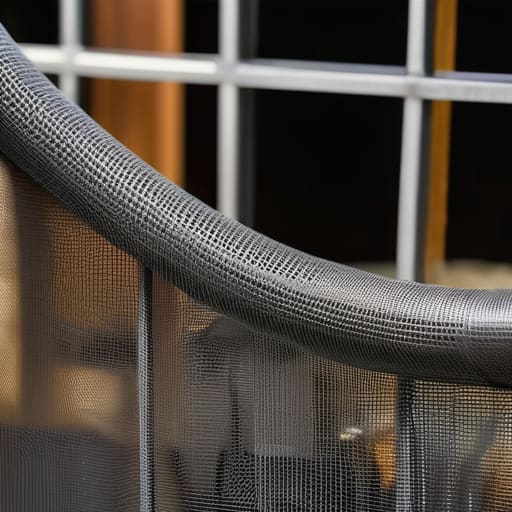
Don’t get me wrong, I’m not suggesting you spend your entire budget on industrial-grade caulking. I mean focusing on the high-traffic vulnerabilities: the holes where pipes enter the walls, the gaps under the heavy-duty fridge units, and those dodgy window screens that have seen better days. This is the unsexy, fundamental work that makes even the best pest prevention techniques actually stick. If the building itself is “leaky,” no amount of professional extermination services will ever get you to a place of true peace of mind. Tighten the shell, and you’ve already done half the job.
The Three Pillars of a Kitchen That Doesn't Invite Unwanted Guests
- Stop treating pest control like a magic wand and start treating it like a logbook; if your team isn’t recording when deliveries arrive and checking the pallets for hitchhikers, no amount of expensive gel or traps will save you.
- Focus your cleaning energy where it actually matters—the “dead zones” behind the heavy fryers and under the prep tables—because a kitchen that looks clean on the surface but leaves crumbs in the crevices is just an all-you-can-eat buffet for rodents.
- Tighten up your dry store management by getting everything off the floor and into sealed, hard-plastic containers; cardboard boxes are basically luxury apartments for cockroaches, and I’ve seen too many infestations start in a stack of empty crates.
- Make sure your staff actually knows what they are looking for, rather than just ticking a box on a checklist; they need to know the difference between a bit of dust and the specific sign of a pest, because they are your first line of defence, not the contractor you call once a month.
- Treat your waste management as a high-priority task, not an afterthought—if those external bins are overflowing or the lids aren’t seated properly, you are essentially sending out an invitation to every pest in the neighbourhood.
The Bottom Line for Busy Kitchens
Stop chasing individual pests with sprays and start looking at the gaps; if you aren’t sealing the holes in the floor or fixing the broken door seals, you’re just paying for a temporary illusion of control.
Documentation isn’t just for me to see during an inspection—it’s your early warning system that tells you a problem is growing before it becomes a crisis you can’t manage during the lunch rush.
Real pest management is about discipline, not expensive gadgets; it’s the unglamorous habit of managing deliveries and keeping the dry store tidy that actually keeps the kitchen safe.
Frequently Asked Questions
If we're already paying for a professional contract, why am I still seeing signs of activity during my own walk-throughs?
Because a contract isn’t a magic shield; it’s just a service agreement. If you’re seeing activity despite having a professional on site, it usually means one of two things: either the technician is just “ticking boxes” without actually investigating the entry points, or your team has inadvertently bypassed the controls. I’ve seen it a hundred times—a technician sets a trap, but a delivery driver leaves the loading bay door propped open for twenty minutes. The contract manages the pests, but your staff manage the environment.
How much of my staff's time should actually be spent on pest monitoring versus just letting the contractor handle it?
If you think paying a contractor means you can stop looking, you’ve already lost. I’ve walked into kitchens where the professional service was “perfect” on paper, but the staff were sweeping droppings under the prep tables. Don’t let your team become passive observers. They don’t need to be experts, but they must be your eyes. Ten minutes of daily vigilance—checking behind the flour bins or near the drains—is worth more than a monthly visit from a guy in a van.
We have a tiny budget and a high-volume kitchen; where do we start if we can't afford a full-scale structural overhaul right now?
Stop looking at the big-ticket quotes for structural repairs and look at your staff instead. If you can’t afford new doors or professional sealing, you have to master the “low-cost basics.” Start with a strict delivery protocol: check every crate for hitchhikers before it enters the prep area. Then, enforce a “dry floor” policy. Pests don’t just want crumbs; they want the moisture. Control the water and the waste, and you’ve already won half the battle.