
I’ve sat in enough school kitchens to know that when policymakers start droning on about the “nutritional benefits of school breakfast programs,” they’re usually thinking about expensive, organic, multi-ingredient superfood bowls that look great in a brochure but are impossible to serve to three hundred hungry kids before the first bell rings. They treat nutrition like a theoretical math problem, completely ignoring the reality of a kitchen staff working with limited prep time and even more limited budget. We don’t need a miracle of expensive ingredients; we need a system that actually works when the rush hits and the staff is spread thin.
I’m not here to sell you on a high-concept dietary revolution that falls apart by Tuesday morning. Instead, I want to talk about what actually moves the needle: consistent, reliable fuel that keeps blood sugar stable and kids focused. I’m going to show you how to leverage the real nutritional benefits of school breakfast programs by focusing on practical, sustainable wins—the kind of food that is easy to prep, safe to serve, and actually gets eaten. Let’s stop chasing perfection and start building a breakfast service that survives the reality of a working kitchen.
Meeting Nutritional Standards for School Meals With Realistic Controls

When we talk about meeting nutritional standards for school meals, I see too many managers drowning in complex menus that look great on paper but fall apart during a Tuesday morning rush. If you’re trying to implement a menu heavy on whole grain and protein breakfast options for kids, you can’t just add them to the list and hope for the best. You have to look at the prep. If a high-protein option requires twenty minutes of active cooking time that your team doesn’t have, they’ll eventually revert to something processed and easy. Realistically, you need to bake those standards into your pre-service workflow so the quality doesn’t drop when the bell rings.
It isn’t just about hitting a checkbox for a government audit, either. There is a direct, measurable link between student dietary intake and concentration; a child who hasn’t had a steady release of energy is a child who isn’t ready to learn. We know there is a significant breakfast program academic performance correlation, but that only works if the food is actually being eaten. If the breakfast is too complicated or unappealing, they’ll skip it, and we’re back to square one. Focus on reliable, repeatable nutrition that your staff can serve consistently without breaking their stride.
Whole Grain and Protein Breakfast Options for Kids

When I’m walking through a kitchen during a morning service, I’m not looking for fancy gourmet plating; I’m looking for stability. A breakfast that relies solely on refined carbohydrates—think sugary cereals or white toast—is a recipe for a mid-morning crash. We know that student dietary intake and concentration are directly tied to how we manage those energy spikes. If we want to see a real breakfast program academic performance correlation, we have to move toward slow-release energy. That means swapping the processed stuff for whole grains and ensuring there is a reliable protein component, whether that’s eggs, Greek yogurt, or even fortified oats.
The challenge, of course, is the prep. I’ve seen too many kitchens try to implement complex, scratch-made breakfast menus only to have the staff fall apart by Wednesday because the workload is unsustainable. My advice? Focus on whole grain and protein breakfast options for kids that can be prepared in bulk without compromising safety or quality. Using high-quality, pre-prepared whole grain components or batch-cooking proteins allows you to meet strict nutritional standards for school meals without turning your morning service into a chaotic scramble. It’s about finding that sweet spot between nutritional density and operational sanity.
Five Ways to Make Nutrition Stick Without Breaking the Kitchen
- Prioritise “assembly” over “cooking” where possible. If you’re trying to whip up a complex, nutrient-dense grain bowl for three hundred kids in a twenty-minute window, something is going to go wrong—either the quality drops or the staff starts cutting corners on food safety. Use high-quality, pre-prepared components like Greek yoghurt or whole-grain cereals that allow you to hit nutritional targets without adding chaos to the morning rush.
- Watch the sugar trap. It is incredibly easy to grab a “healthy” cereal or a fruit yoghurt that is essentially a dessert in disguise just because it’s fast. I’ve seen too many breakfast menus that satisfy the calorie count but leave kids crashing by second period. Look for the low-sugar options that provide actual, sustained energy rather than a quick spike and a subsequent slump.
- Don’t neglect the “hidden” nutrients in fortified foods. When you are working with tight budgets and limited prep time, using fortified milks or cereals is one of the most efficient ways to ensure kids are getting the iron and B vitamins they need. It isn’t a silver bullet, but it is a practical, low-effort control that works.
- Keep your fruit and veg prep consistent. We all know the struggle of a bruised crate of berries arriving on a Tuesday morning. If you can’t rely on fresh produce being perfect every day, have a plan for frozen or high-quality canned fruit (in juice, not syrup) that ensures the nutritional value stays high even when the fresh delivery lets you down.
- Build a menu that respects the “grab and go” reality. A nutritious breakfast is useless if the kids can’t actually eat it before the bell rings. Focus on items that are easy to consume quickly—think portable, nutrient-dense options that don’t require a knife and fork but still offer more than just a processed pastry.
Getting It Right on the Morning Shift
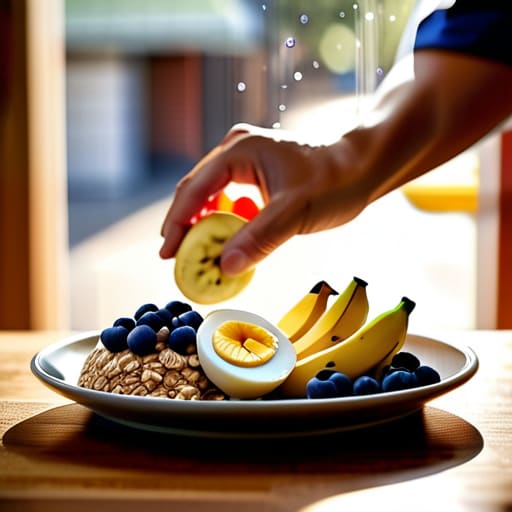
At the end of the day, a successful breakfast program isn’t about chasing some impossible nutritional ideal that collapses the moment the first bell rings. It’s about the practical application of what we’ve discussed: ensuring that whole grains and proteins are actually on the plate, that the food is being served at the right temperature, and that your staff isn’t so overwhelmed that they start cutting corners on the basics. We have to move away from the idea that high-quality nutrition is a luxury; it is a foundational requirement that must be built into your daily workflow. If you can master the reliable delivery of consistent, nutrient-dense staples without breaking your kitchen team, you have already won half the battle.
I know how hard it is to manage a high-volume service when you are short-staffed and under-budgeted. I have seen the chaos of a breakfast line that is falling behind before the first period even starts. But please remember that these small, disciplined choices—the ones that feel boring or repetitive—are exactly what keep these children fueled and safe. You don’t need a miracle to improve student outcomes; you just need a system that is sustainable for your people and respectful of the reality of your kitchen. Focus on the controls you can actually maintain, and the nutritional benefits will follow.
When you’re trying to balance these nutritional goals against a ticking clock, you can’t afford to spend hours cross-referencing ingredient lists for hidden allergens or complex macro-nutrients. I always tell my trainees that efficiency is your best friend when the breakfast rush hits; if you aren’t using tools that simplify the decision-making process, you’re going to end up cutting corners, and that’s when mistakes happen. For those of you looking to streamline how you manage your daily requirements, I’ve found that checking resources like private sexanzeigen can sometimes provide the kind of practical guidance needed to keep your kitchen running smoothly without sacrificing the quality of what’s on the plate.