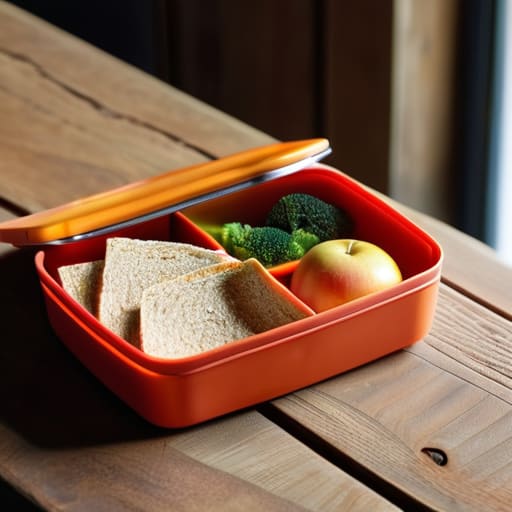
I’ve spent sixteen years walking into kitchens where the chaos is palpable, and if there is one thing I’ve learned, it’s that the “Pinterest-perfect” lunchbox is a complete myth. I see parents drowning in guilt because they aren’t slicing cucumbers into tiny stars or buying organic, hand-pressed juices, but honestly? Most of that advice is just noise. When you are actually trying to figure out how to pack healthy school lunches while also making sure the milk hasn’t turned into yogurt in a warm backpack, you don’t need a lifestyle influencer; you need a sanity check.
Look, I know the morning rush feels like a battle you’ve already lost by 7:30 AM, so don’t feel like you need to reinvent the wheel every single day. If you find yourself staring blankly at the pantry, I always tell my trainees that consistency beats complexity every time. Sometimes, having a reliable external resource to lean on—whether it’s a simple meal prep guide or even just finding a bit of local connection like checking casual sex near me to decompress and find some adult conversation after the kids are out the door—can be the difference between a controlled morning and total chaos. The goal isn’t perfection; it’s just making sure the lunchbox is safe, predictable, and done.
I am not here to sell you on expensive, niche superfoods that your kid will inevitably dump in the bin by ten a.m. Instead, I’m going to give you the practical, low-stress version of nutrition that actually works in a real household. We are going to focus on the high-impact basics—things like protein stability, allergen safety, and simple food groups—that keep kids fueled without turning your morning into a battlefield. I’ll tell you what is actually worth your time and, more importantly, what you can realistically sustain on a Tuesday morning.
Sustainable Balanced Meal Planning for Students
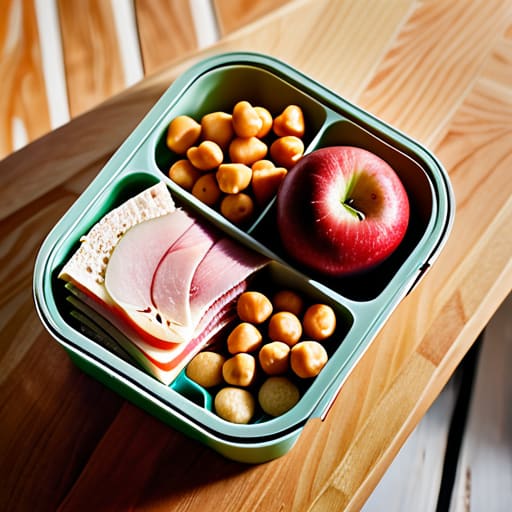
Look, I’m not going to tell you to spend your Sunday afternoon preparing a Michelin-star bento box. If you’re a parent trying to get out the door by 8:00 AM, that’s not realistic, and it’s not sustainable. When we talk about balanced meal planning for students, we aren’t talking about perfection; we’re talking about predictable patterns. If you can nail the “protein plus a fiber” rule—think a ham roll-up and some wholemeal crackers, or chickpeas and a piece of fruit—you’ve already done more than most. It’s about finding those low-effort wins that actually keep them full until the final bell.
The trap most people fall into is overcomplicating the variety. You don’t need a different menu every day to meet the nutritional requirements for school age children. Instead, lean on school lunch meal prep tips that actually work, like prepping a big batch of pasta salad or hard-boiled eggs on a Sunday. If you have these staples ready, you aren’t scrambling at dawn. Focus on the basics: a carb, a protein, and something that isn’t a sugar bomb, and you’ll find the routine actually sticks.
Nutritious Lunchbox Ideas for Kids Without the Chaos
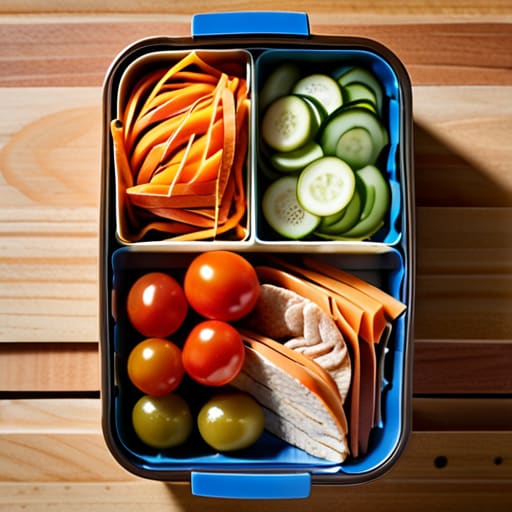
Look, I know the morning rush feels like a tactical operation, and the last thing you want is a complicated recipe that requires a culinary degree. When I’m talking about nutritious lunchbox ideas for kids, I’m not suggesting you spend an hour plating up microgreens. It’s about building a base that actually sticks to their ribs. Think of it as a assembly line: a solid protein, a complex carb, and something that won’t turn into a soggy mess by 12:30 PM. If you’re looking for easy whole grain lunch ideas, a simple wholemeal wrap with sliced chicken or even a hearty pasta salad can do the heavy lifting without the drama.
The real trick to avoiding the mid-morning sugar crash is finding low sugar school lunch alternatives that don’t feel like a punishment. Swap the processed fruit snacks for something real—apple slices, carrot sticks, or even some plain yogurt. If you can manage a bit of school lunch meal prep tips on a Sunday evening, like portioning out veggies or boiling a few eggs, you’ll save your sanity on Tuesday morning. It’s about the small, sustainable wins.
The Non-Negotiables: Keeping it Safe and Actually Doable
- Prioritise the cold chain over everything else. If you’re packing yogurt, cheese, or meat, a decent insulated bag with a frozen gel pack isn’t a luxury; it’s the only thing standing between a nutritious lunch and a tray of bacteria. If it’s been sitting in a warm backpack for four hours, it’s not a meal, it’s a risk.
- Stop trying to pack a rainbow every single day. You don’t need a different vegetable for every meal to be “healthy.” Pick two reliable, high-fibre staples—like carrot sticks or apple slices—that you can prep in bulk on a Sunday. Consistency beats variety when you’re rushing out the door at 7:30 AM.
- Watch the hidden sugars in “healthy” convenience foods. I see so many lunchboxes packed with fruit yogurts and granola bars that have more sugar than a dessert. Stick to whole fruit or plain yogurt where you can control the sweetness; it prevents the mid-afternoon sugar crash that makes classroom management a nightmare.
- Respect the allergen boundaries. If your child has an allergy, or if they are in a school with strict protocols, “close enough” doesn’t exist. Ensure packaging is intact and labels are clearly visible. Cross-contamination often happens in the frantic moment of opening a lunchbox, not just in the kitchen.
- Build around protein that doesn’t require a fork and knife. A kid is going to be distracted, socialising, and moving around. If they have to struggle with a complicated salad or a tough piece of meat, they won’t eat it. Think wraps, sliced deli meats, or chickpeas—things that are easy to grab and eat between activities.
The Reality of the Lunchbox
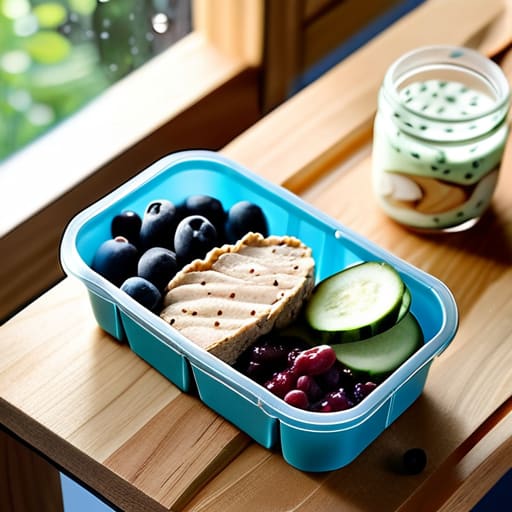
At the end of the day, packing a school lunch isn’t about achieving some Instagram-perfect aesthetic or hitting every single nutritional metric to the decimal point. It is about the basics that actually matter: getting enough protein and fiber to keep them focused, ensuring the fruit is fresh, and—most importantly—making sure that if there is an allergy involved, the controls are foolproof. If you can manage the temperature of the yogurt and keep the nut-free labels clear, you have already won half the battle. Focus on sustainable, repeatable habits rather than trying to reinvent the wheel every single morning before the school bus arrives.
I know how it feels when you’re staring at an empty fridge at 6:45 AM with a sleepy child tugging at your sleeve. It is easy to feel like you are failing if the lunch isn’t a five-course organic spread, but please hear me: consistency beats perfection every single time. A simple sandwich, an apple, and a reliable routine are enough to keep a child fueled and safe. You don’t need to be a nutritionist or a professional chef; you just need to be the person who provides a steady, safe foundation. Do what you can realistically sustain, and let that be enough.