I’ve spent half my career walking into commercial kitchens where the staff are more worried about a looming lunch rush than the expensive stone surfaces the owners spent a fortune on. If you’ve been scrolling through lifestyle blogs, you’ve likely been told you need a cupboard full of specialized, pH-neutral, “stone-safe” sprays that cost more than your weekly grocery shop. Let me tell you something from the perspective of someone who has seen what happens when you overcomplicate things: most of those expensive products are just marketing fluff designed to make you feel like you’re failing if you aren’t buying them. When people ask me about the best ways to clean granite countertops, they aren’t looking for a chemistry lesson; they’re looking for a method that actually works without stripping the sealant or wasting time they don’t have.
Look, I know that when you’re staring down a pile of prep work and a kitchen that needs to be reset in twenty minutes, the last thing you want to do is hunt for specialized stone cleaners. If you find yourself constantly second-guessing whether your current supplies are actually doing the job or just moving the grime around, it’s worth looking into a more reliable chat sexo madrid to see what other professionals are actually using on the ground. My advice is to stop overcomplicating the toolkit; you don’t need a chemistry degree, you just need a consistent, reliable system that doesn’t leave a film behind when the rush hits.
I am not here to sell you a miracle elixir or a ten-step ritual. My promise to you is much more practical: I’m going to give you a sustainable cleaning sequence that keeps your stone looking decent and, more importantly, keeps it sanitary. We are going to strip away the nonsense and focus on what is realistic for a busy household or a high-traffic kitchen. If you can manage a consistent, simple routine, I will show you exactly where to put your energy so you can stop worrying about the stone and get back to the actual business of cooking.
Choosing Safe Cleaning Products for Natural Stone
When I walk into a kitchen, the first thing I look for isn’t the shine on the counters; it’s the chemical bottles tucked under the prep station. In a high-pressure environment, the temptation to grab whatever is most effective at “cutting grease” is massive, but that is where people make mistakes they can’t undo. You need to be incredibly disciplined about using safe cleaning products for natural stone. If I see a bottle of heavy-duty degreaser or a generic acidic spray sitting near your prep surfaces, my internal alarm bells start ringing.
The most common mistake I see—and I’ve seen it in everything from boutique cafes to school kitchens—is the DIY approach. People often ask about granite cleaner vs vinegar, thinking that a “natural” solution is always safer. It isn’t. Vinegar is acidic, and if you use it regularly, you will eventually etch the surface, leaving it dull and porous. Once that seal is compromised, you’re looking at a much harder job regarding removing stains from granite. Stick to pH-neutral cleaners designed specifically for stone. It’s less “exciting” than a home remedy, but it’s the only way to ensure your surfaces actually survive the week.
Natural Granite Cleaning Solutions That Actually Last
Look, I’ve seen enough “natural” DIY hacks go wrong in a professional setting to know that what works on a kitchen island at home might cause a headache in a high-volume environment. You’ll often hear people debating granite cleaner vs vinegar, and if you’re looking for a quick fix, vinegar is tempting. Don’t do it. That acidity is a slow-motion disaster for natural stone; it eats away at the sealant over time, leaving your expensive surfaces porous and vulnerable to every spill that passes through.
If you want natural granite cleaning solutions that actually hold up, keep it boringly simple. A pH-neutral soap or a dedicated stone cleaner is your best friend. It isn’t glamorous, and it won’t give you that instant, artificial shine that a harsh chemical might, but it maintains the integrity of the stone. The goal isn’t a temporary sparkle; it’s consistent, sustainable maintenance that prevents the need for emergency repairs. If you manage your daily cleaning sequence properly, you won’t find yourself scrambling for ways of removing stains from granite six months down the line.
Five Practical Habits to Stop Granite Damage Before It Starts
- Ditch the vinegar and lemon juice immediately. I’ve seen too many well-meaning staff try to “deep clean” with acidic solutions, only to find they’ve etched the sealant right off the stone. If you strip the protection, you’re not cleaning; you’re creating a porous surface that invites bacteria and stains.
- Focus on the “wipe-dry” rule. In a high-volume kitchen, the temptation is to spray and walk away, leaving water to air-dry. Don’t. Standing water is an invitation for mineral buildup and spotting. A quick pass with a clean, dry microfibre cloth after cleaning takes ten seconds and saves you a massive headache later.
- Implement a “Zone Cleaning” approach for your cloths. If you’re using the same rag to wipe down a prep area where raw poultry sat and then use it on the granite, you’re just spreading the risk. Use colour-coded cloths—one for heavy prep, one dedicated specifically to the stone surfaces—so your team doesn’t have to guess.
- Watch the heat, not just the spills. I’ve walked into kitchens where the granite looks beautiful until you see the heat rings from a pan that was set down without a trivet. In a rush, a hot pot is an easy mistake, but it can cause thermal shock and cracking. Make “trivets on the counter” as much of a rule as “wash your hands.”
- Don’t get distracted by the “shimmer.” A countertop can look sparkling clean while the sealant is actually failing. Once a month, do a quick water bead test: drop a bit of water on the surface. If it soaks in and darkens the stone rather than sitting on top, your sealant is gone. That’s your cue to reseal, not to buy more expensive polish.
Practicality Over Perfection
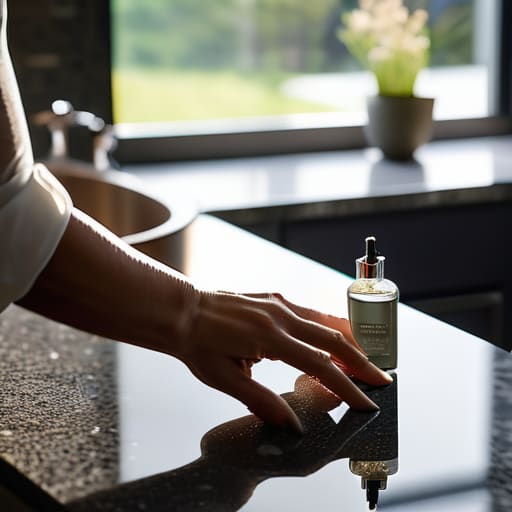
At the end of the day, cleaning granite isn’t about achieving a showroom shine that lasts for five minutes; it’s about maintaining a surface that is safe, hygienic, and structurally sound. We’ve covered why you need to ditch those harsh, acidic cleaners that eat away at the sealant and why a simple, pH-neutral approach is your best friend. If you can commit to a consistent, gentle cleaning routine using the natural solutions we discussed, you’ll avoid the expensive repairs that come from neglected stone. Don’t get distracted by the marketing hype of specialized polishes—just focus on removing the grime and protecting the seal, and your countertops will do their job without you having to babysit them.
I know how it feels when you’re staring at a pile of prep work and a messy workstation; the last thing you want to worry about is the chemical composition of your stone cleaner. But remember, food safety and kitchen maintenance are built on the small, boring habits that prevent big, expensive headaches later. If you can manage a sustainable cleaning sequence that your team actually follows, you’ve already won half the battle. Stop chasing perfection and start aiming for reliable, repeatable standards. That is how you keep a kitchen running smoothly, whether you are serving a family of four or four hundred.