I’ve stood in enough school kitchens at 7:00 AM to know that the last thing a tired team needs is a shiny new gadget that promises to “revolutionize” their workflow but actually just adds another layer of digital clutter. I’ve seen sales reps try to pitch complex, expensive setups, implying that understanding how digital monitoring systems work requires a degree in computer science. It’s nonsense. In a real kitchen—the kind where you’re prepping three hundred lunches while a boiler is acting up and a delivery driver is hovering by the door—you don’t need a high-tech dashboard that requires a manual to operate; you just need something that actually works when the pressure is on.
I’m not here to sell you on a fantasy of a “smart kitchen” that runs itself. My promise is much simpler: I’m going to strip away the jargon and explain the mechanics of these tools based on what I’ve seen fail and what I’ve seen succeed in the field. We will look at the practical reality of how digital monitoring systems work to protect your food and your staff, focusing on what is actually sustainable for a busy team. No hype, no useless bells and whistles—just the honest truth about where to put your money and your trust.
Table of Contents
Real Time Data Acquisition Beyond the Clipboard
Real-Time Data Acquisition: Beyond the Clipboard
I’ve spent enough time in school kitchens to know that the “clipboard method” is often a work of fiction. We’ve all seen it: a staff member walking through a room at 10:00 AM, scribbling down a temperature that looks suspiciously perfect, only for that same fridge to fail at 2:00 PM when the kitchen is mid-service and chaos has taken over. That’s the problem with manual logs; they are a snapshot of the past, not a tool for the present.
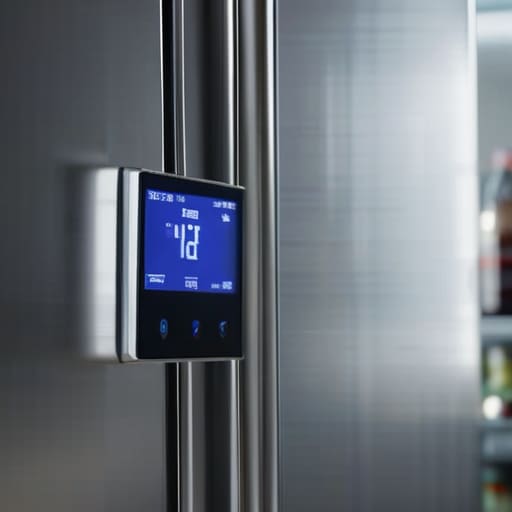
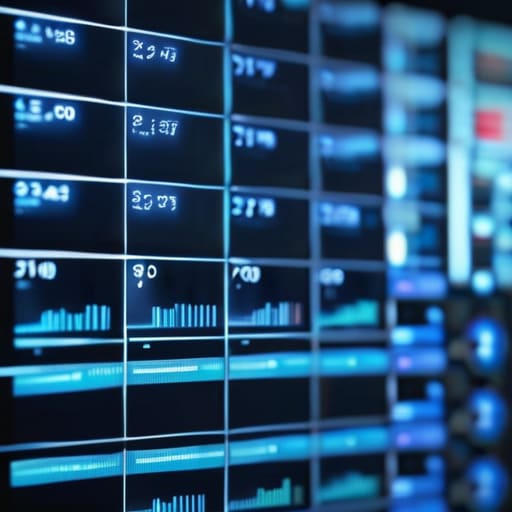
True real-time data acquisition changes the dynamic from reactive to proactive. Instead of relying on someone remembering to check a dial, IoT sensor integration allows the equipment to speak for itself. These sensors sit quietly in your walk-ins or prep fridges, constantly feeding information back to a central system. If a compressor dies during a shift change, you aren’t finding out about it during the next inspection or, worse, when a batch of milk has turned. You find out immediately through automated alert mechanisms that ping a phone or a tablet, giving you a chance to move the stock before it becomes a massive waste issue or a legal nightmare.
Iot Sensor Integration for the Overworked Kitchen
Let’s be honest: nobody in a school kitchen is standing by the walk-in fridge with a stopwatch, waiting for the temperature to climb. You’re busy plating up lunch for three hundred kids, and the last thing you need is another manual task that feels like a distraction from the actual cooking. This is where iot sensor integration actually earns its keep. Instead of a staff member walking around with a thermometer and a clipboard—hoping they don’t forget to write down the reading—you have small, rugged sensors that live in the equipment. They do the boring work of watching the temperature so your team doesn’t have to.
The real magic isn’t just the sensor itself, though; it’s the automated alert mechanisms that come with it. If a compressor fails at 2:00 AM on a Sunday, a piece of paper in a logbook isn’t going to save your stock. But a system that pings a manager’s phone the moment the temperature breaches a set limit? That’s the difference between a minor headache and a massive, expensive waste of food. It’s about moving from reactive firefighting to proactive management.
Making the Tech Work for You, Not the Other Way Around
- Stop treating the sensor like a replacement for a person. A digital thermometer tells you the temperature is 8°C, but it won’t tell you that the door seal is perished or that the compressor is making a death rattle. Use the data to spot the pattern, not just the single number.
- Look for “active” alerts, not just “passive” logs. If a system only records a temperature spike after the food has already sat in the danger zone for three hours, it’s just a digital version of a paper log that nobody reads. You need a system that pings a phone the moment a fridge drifts.
- Prioritise “set and forget” over “fiddly and frequent.” If a digital system requires your team to manually input data every hour, they will eventually stop doing it or, worse, start guessing. The best systems are the ones that run in the background without needing a staff member to babysit a screen.
- Check the connectivity before you buy the kit. I’ve seen brilliant, expensive sensors fail in school kitchens simply because they couldn’t punch through the thick industrial walls or the stainless steel prep stations. If the signal drops every time the microwave is on, your data is useless.
- Ensure the data is exportable and readable. When I walk into a kitchen, I don’t want to see a complex graph that requires a degree to interpret; I want to see a clear, timestamped record that proves the chicken was cooked to 75°C. If you can’t print a clean report for an inspector in thirty seconds, the system isn’t helping you.
The Bottom Line: What Actually Matters in Your Kitchen
Digital monitoring isn’t about replacing your staff with gadgets; it’s about freeing them from the clipboard so they can focus on the food, while the sensors quietly watch the temperatures in the background.
A system is only as good as its alerts; if a digital log tells you a fridge hit 10°C at 3:00 AM but you don’t see that notification until the breakfast service is already underway, the technology has failed you.
Don’t buy tech for the sake of a shiny dashboard; invest in tools that provide a clear, unshakeable audit trail that proves to me—and your local authority—that you are actually in control of your risks.
Frequently Asked Questions
If the Wi-Fi drops out or the power goes, am I going to wake up to a gap in my temperature logs that I can't explain to an inspector?
This is exactly the question I want to hear. You’re thinking about the “what if,” which is half the battle. A good system shouldn’t be more fragile than a paper log. Look for hardware with local storage—”edge computing,” if you want the technical term—meaning the sensor keeps recording even if the Wi-Fi dies. When the connection returns, it syncs the data. You don’t want a gap; you want a continuous story for me to read.
Is this actually going to save my team time, or am I just trading a clipboard for another piece of tech they’ll have to fiddle with during the lunch rush?
If it’s just another thing to “fiddle with,” it’s a failure. I’ve seen too many “solutions” that actually just add more friction to a service that’s already redlining. The goal isn’t to give your team a new chore; it’s to automate the boring stuff they’re already doing. If the sensor is set up right, they shouldn’t touch it at all until an alert tells them something is actually wrong. That’s the difference between a tool and a burden.
How much of this "real-time data" is actually useful for a kitchen on a budget, and how much is just expensive noise?
Look, I’ve seen enough “smart” gadgets end up in the bin to know the difference. If a sensor just sends a notification that says “Temperature High” while you’re mid-service, it’s just expensive noise. It’s useless. Real value is in the automation of the boring stuff. If it saves your cook twenty minutes of walking around with a probe and a clipboard, it’s worth the investment. If it’s just more data for a manager to ignore, bin it.