I once walked into a secondary school kitchen during the lunch rush, and within ten seconds, I knew we had a problem. It wasn’t the food or the staff; it was the air. It was thick, greasy, and so heavy you could almost chew it, leaving the team squinting through a haze of steam and aerosolised fat. Most contractors will try to sell you a high-tech, astronomical-priced overhaul by overcomplicating how ventilation systems work, making it sound like you need a NASA-grade laboratory to fry an egg. But let’s be honest: you don’t need a million-pound engineering marvel, you just need a system that actually pulls the heat and grease out of your workspace before it settles on your ceilings.
I’m not here to give you a lecture on fluid dynamics or sell you on expensive, unnecessary upgrades that your budget can’t sustain. Instead, I want to strip away the jargon and show you the practical reality of airflow. I’ll explain the mechanics of extraction and dilution in a way that actually makes sense for a busy kitchen, focusing on the small, repeatable maintenance habits that keep your air clear and your fire risks low.
Table of Contents
Exhaust Fan Functionality More Than Just Moving Air
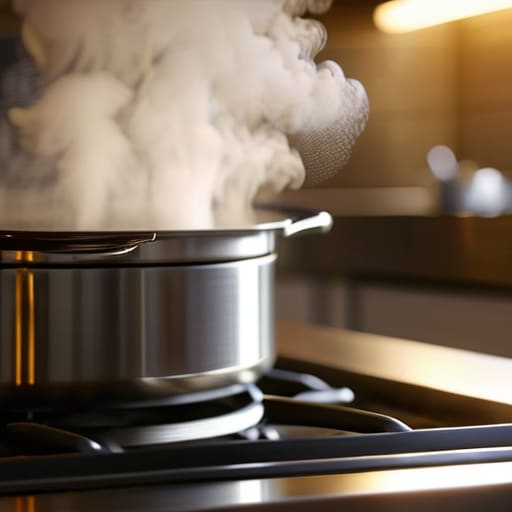
When I walk into a kitchen and the air feels thick, heavy, or—worse—smells like yesterday’s fish fry, I know the exhaust fan is doing nothing more than spinning its wheels. Most people think exhaust fan functionality is just about pulling steam out of the room, but it’s actually about managing the physics of the space. You aren’t just moving air; you are trying to create a controlled pull that captures heat and grease before they settle on your ceilings or, more importantly, get sucked into the ductwork where they become a fire hazard.
If you rely on mechanical ventilation vs natural ventilation—like just cracking a window during a lunch rush—you’re going to lose that battle every single time. A window won’t create the necessary pressure differentials in buildings required to keep the cooking fumes from drifting into the dining hall or the staff prep area. You need that constant, directed pull to ensure the air is actually being replaced, not just swirled around the room. If the fan isn’t pulling hard enough to create that vacuum, you aren’t ventilating; you’re just stirring the soup.
Hvac Airflow Dynamics and the Reality of Kitchen Heat
When I walk into a kitchen that’s struggling, the first thing I feel isn’t the heat—it’s the heaviness. That thick, stagnant air is a sign that your HVAC airflow dynamics are failing you. It isn’t just about being uncomfortable; when the air stops moving, you’re essentially trapping grease particles, steam, and airborne allergens in a loop that stays right at the chefs’ breathing level. You might think opening a window helps, but in a high-volume kitchen, mechanical ventilation vs natural ventilation is a massive distinction. A window won’t create the controlled, directional pull you need to move heat away from the cookline.
The real science—and the real headache—lies in managing pressure differentials in buildings. If your extraction is pulling air out but your supply system isn’t bringing fresh air back in, you end up with a vacuum effect. This can actually pull “dirty” air from hallways or storage areas into your clean prep zones. You don’t need a degree in fluid mechanics to manage this, but you do need to understand that if your air exchange isn’t balanced, you’re just spinning your wheels and wasting energy.
Stop Fighting the Heat: 5 Ways to Make Your Ventilation Actually Work
- Check your grease filters every single week, not just when they look heavy. If those filters are choked with old oil, your fans are working twice as hard to move half the air, and you’re essentially turning your extraction hood into a massive, flammable sponge.
- Watch the “make-up air” balance. If you’re pulling massive amounts of air out through the exhaust but don’t have enough fresh air coming back in, you’ll create a vacuum effect. This can actually pull air—and smells—down from the dining hall or even suck flue gases back into the kitchen.
- Don’t ignore the “shadow zones.” If you’ve got a heavy-duty range but your hood is positioned two feet too far back, you’re just circulating hot, greasy air around the chefs. The capture zone has to actually overlap the cooking surface, or you’re just wasting electricity.
- Listen to your motors. A ventilation system shouldn’t sound like a jet engine struggling to take off. If you notice a change in pitch or a new vibration, it’s usually a sign that a belt is slipping or a bearing is failing—fix it before the whole system goes down during a lunch service.
- Clean the ductwork, not just the hood. I’ve seen plenty of kitchens with sparkling stainless steel hoods that hide a nightmare of grease buildup inside the actual duct. If you aren’t scheduling professional duct cleaning, you’re just masking a serious fire risk behind a bit of polish.
The Bottom Line: What Actually Matters When the Service Starts
Ventilation isn’t about making the room “comfortable”; it’s about managing the invisible cocktail of grease, steam, and heat that, if left unchecked, compromises both your staff’s ability to work and your kitchen’s fire safety.
A system that looks clean on the outside but has grease-clogged filters or a sluggish fan is a lie—you aren’t actually moving the air, you’re just circulating the problem.
Don’t treat your extraction as a “set and forget” utility; if your airflow feels sluggish or the air feels heavy, your system is failing you long before an inspector ever walks through the door.
Frequently Asked Questions
If my extraction fans are spinning but the kitchen still feels like a sauna, what am I actually doing wrong?
If your fans are spinning but you’re still sweating through your whites, you don’t have a motor problem; you have a physics problem. You’re likely fighting “make-up air” deficiency. If your system is sucking air out but nothing is replacing it, the fans just spin in a vacuum, creating massive resistance. You aren’t extracting heat; you’re just recirculating it. Check your intake vents—if they’re blocked or non-existent, your expensive extraction is effectively useless.
How often do I really need to get a professional in to look at the ductwork before it becomes a fire hazard?
Look, I know the budget is tight and the ductwork is tucked away behind a ceiling tile where you can’t see it, but “out of sight” shouldn’t mean “out of mind.” For a high-volume school kitchen, you should be looking at a professional deep clean every six to twelve months. If you’re running heavy-duty fryers or high-heat equipment, don’t push it. I’ve seen too many “minor” grease build-ups turn into uncontrollable fires because someone thought they could skip a year.
Is it actually possible to balance keeping the air moving without making the kitchen so drafty that it messes with my oven temperatures?
It’s a balancing act, but it shouldn’t be a guessing game. If your ovens are losing heat, you don’t need more air; you need better air management. Usually, it’s not the volume of extraction that’s the problem, but the direction. If your hoods are pulling air from the sides rather than straight up from the cooking surface, you’re just creating a wind tunnel. Fix your make-up air delivery, and you’ll stop fighting your thermostats.