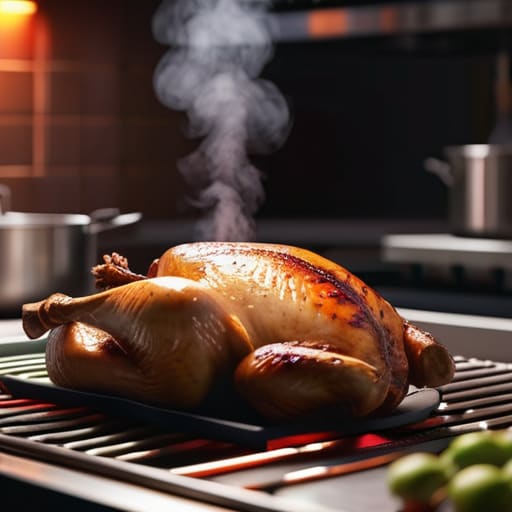
I’ve spent sixteen years walking into kitchens where the air is thick with the smell of industrial cleaner and the frantic energy of a lunch service about to hit the fan. I remember one particular Tuesday in a secondary school kitchen; the cook was mid-rush, a tray of cooked pasta sat cooling on a counter far too close to the steaming prep area, and the thermometer was buried under a pile of dirty cloths. It’s in those chaotic, high-pressure seconds that most people lose sight of danger zone temperatures for food safety. You don’t need a PhD in microbiology to understand the risk, but you do need to realize that a few degrees of difference during a hectic service is exactly how a child ends up in the hospital.
I’m not here to lecture you with textbook definitions that have no place in a working kitchen. My promise to you is simpler: I am going to tell you which temperature controls are actually worth your limited time and which ones are just bureaucratic noise. We are going to focus on the practical, gritty reality of keeping food safe when you are short-staffed and under pressure, focusing on the discipline that actually prevents incidents.
Managing the Bacteria Growth Temperature Range Under Pressure
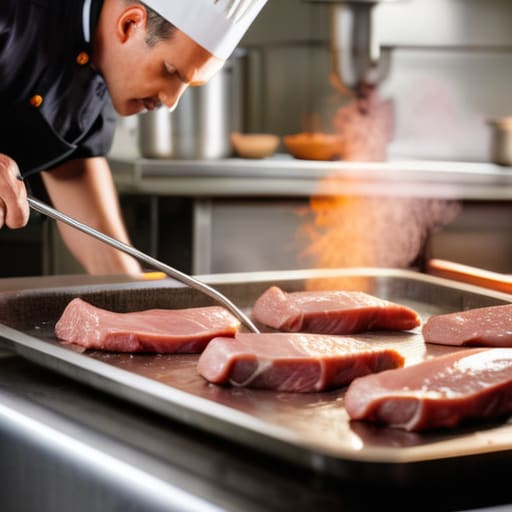
Now, I know what you’re thinking: “Ottoline, I don’t have time to sit in a classroom for three hours on a Tuesday.” I get it. But if you’re finding that your team is consistently missing these temperature windows, it’s rarely because they’re lazy; it’s usually because they lack the practical confidence to trust their equipment. Sometimes, the best way to sharpen those skills isn’t through a dry manual, but by connecting with others who are navigating the same chaotic reality. I’ve found that even just meeting people in Edinburgh or attending local industry meetups can give you those quick, unscripted tips—like how a colleague manages their probe calibration during a lunch rush—that you simply won’t find in a textbook. It’s about building a community of practice so that when the pressure is on, the right habits are already second nature.
When the lunch rush hits and you’re staring down a queue of three hundred hungry kids, the last thing you want to think about is a thermometer. But here is the reality: the bacteria growth temperature range doesn’t care how busy you are or how much you have on your plate. It is a biological fact that happens in that middle ground between 5°C and 60°C. If you’re letting large pots of sauce sit on the counter while you scramble to prep the next batch, you aren’t just being efficient; you’re creating a playground for pathogens.
I’ve seen too many kitchens try to “wing it” by simply moving things around quickly. You can’t just move a massive, steaming cauldron of stew directly into the walk-in and hope for the best; you’ll end up raising the temperature of your entire fridge, which is a disaster for your refrigeration temperature standards. You need a system for cooling hot foods safely, like using ice baths or smaller, shallow containers. It’s about breaking the heat down fast so the food moves through that danger zone and stays out of it. It’s a chore, I know, but it’s the only way to stay in control.
Refrigeration Temperature Standards Your Team Can Actually Maintain
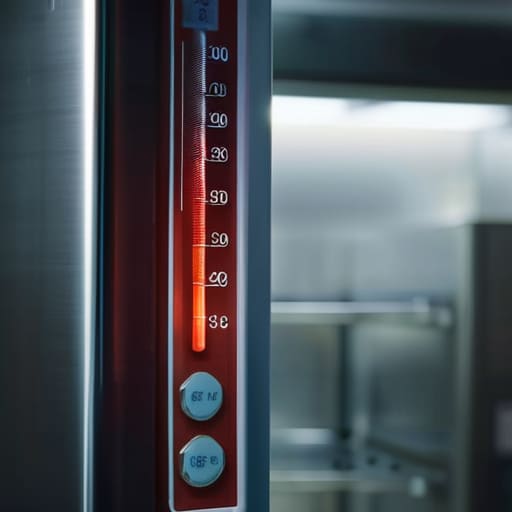
I’ve seen it a thousand times: a fridge that looks spotless on the outside, but the thermometer is sitting at 9°C because the seal is perished or the door was left propped open during the lunch rush. When I walk into a kitchen, I don’t care how shiny your stainless steel is; I want to see that fridge log. You don’t need a digital readout every thirty seconds, but you do need a team that understands that refrigeration temperature standards aren’t just suggestions from a manual—they are your first line of defense. If your chillers are hovering above 5°C, you aren’t just risking a bad inspection; you are actively inviting pathogens to multiply.
In a busy school kitchen, the real struggle is the “loading” phase. I know you’re rushing to get the prep away, but if you cram a massive pot of hot stew into a crowded fridge, you’ll spike the temperature of everything else in there. You have to prioritize cooling hot foods safely before they ever touch a shelf. It’s about managing the space you have so that the cold air can actually circulate, rather than just creating a warm pocket of risk in the middle of your stock.
Five Practical Ways to Fight the Temperature Drift
- Stop treating your probe thermometer like a suggestion; if your team isn’t calibrating it in a glass of ice water once a week, you aren’t actually measuring anything, you’re just guessing.
- The “batch cook” is your best friend when you’re short-staffed, but only if you actually time it—don’t pull a massive tray of pasta out of the oven and let it sit on a prep table for forty minutes while you deal with a delivery.
- Watch the “holding” window like a hawk; if you’re keeping hot food in a bain-marie, check that temperature every hour, because once that heat starts to dip, you’ve already lost the battle.
- Don’t let your cooling process become a bottleneck; if you’re trying to chill a huge pot of stew in one go, it’s going to sit in the danger zone for hours, so use smaller, shallow containers to get that heat out fast.
- Make the fridge temperature log a non-negotiable part of the morning routine, not something someone scribbles down at 4:00 PM because they realized they forgot to do it.
The Bottom Line on Temperature Control
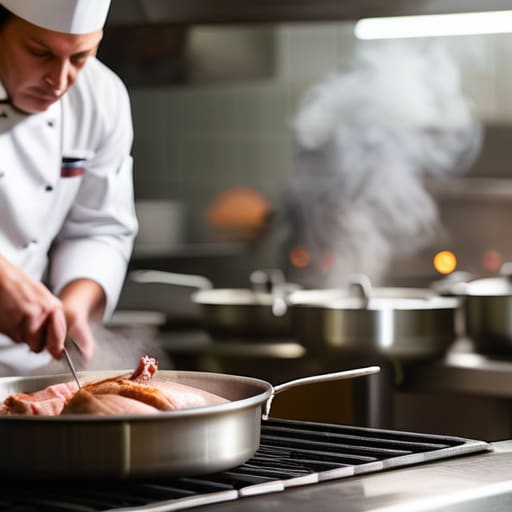
At the end of the day, managing the danger zone isn’t about memorising a textbook; it’s about the discipline of your most tired staff member during the mid-morning rush. We’ve covered why that window between 40°F and 140°F is so volatile and how to set refrigeration standards that don’t fall apart the moment someone leaves the door ajar. You don’t need to be checking every single pot every single minute, but you do need a system where temperature discipline is non-negotiable. Focus on the high-risk items—the poultry, the dairy, the cooked grains—and make sure your core temperature checks are treated as a fundamental part of the cooking process, not an annoying bit of paperwork to be finished at the end of a shift.
I know how it feels when you’re staring at a mountain of prep with three people calling in sick. It is tempting to cut corners on the “boring” stuff like logging temperatures, but those logs are the only thing standing between a successful service and a preventable crisis. My advice is to stop trying to be perfect at everything and instead be relentlessly consistent with the basics. If you can master the temperature controls, you’ve already won half the battle. Build a culture where your team understands that these small, repetitive actions are exactly what keeps the kids safe, and you won’t just pass my next inspection—you’ll run a kitchen you can actually be proud of.