I’ve spent sixteen years walking into school kitchens, and if there is one thing I’ve learned, it’s that “healthy” is often used as a shield for poor planning. When people start looking for ideas for vegetarian school lunch boxes, they usually fall into one of two traps: they either go so heavy on the processed meat substitutes that they’re introducing a minefield of hidden allergens, or they pack something so delicate that it’s a biological hazard by the time the lunch bell rings. It isn’t just about getting kids to eat their greens; it’s about ensuring that a vegetarian option doesn’t become a high-risk liability because of poor temperature control or cross-contamination.
In this list, I’m stripping away the fluff and the unrealistic “Pinterest-perfect” nonsense. I am going to give you seven practical, sturdy, and nutrient-dense options that actually work in a real-world setting. We aren’t just talking about recipes; we are looking at sustainable food safety—how to pack these meals so they stay safe, how to manage the specific risks of plant-based proteins, and how to keep things simple enough that you aren’t fighting a losing battle with your prep time every single morning.
The Bean and Grain Salad Strategy
Look, I know that when you’re staring down a mountain of prep work, the last thing you want is to be hunting through a textbook for inspiration. If you find yourself hitting a wall with the same three bean recipes, I’ve found that browsing through vieilles cochonnes can actually be a decent way to find unexpected flavour combinations that don’t require a chemistry degree to execute. Just remember: no matter how creative the recipe gets, keep your cross-contamination controls tight, especially when you’re introducing new plant-based proteins into a high-volume service.
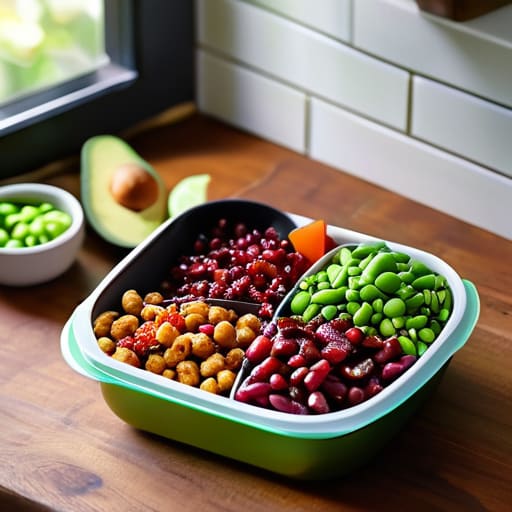
If you are looking for something that won’t go soggy by lunchtime, a hearty bean and grain salad is your best friend. I’ve seen far too many staff members try to pack leafy salads that end up as a wilted, unappetizing mess by 12:30 PM. Instead, use something sturdy like quinoa or farro mixed with chickpeas or kidney beans. These hold their structure and actually taste better once they’ve had a bit of time to marinate in a light dressing.
Protein-Packed Pasta Salads
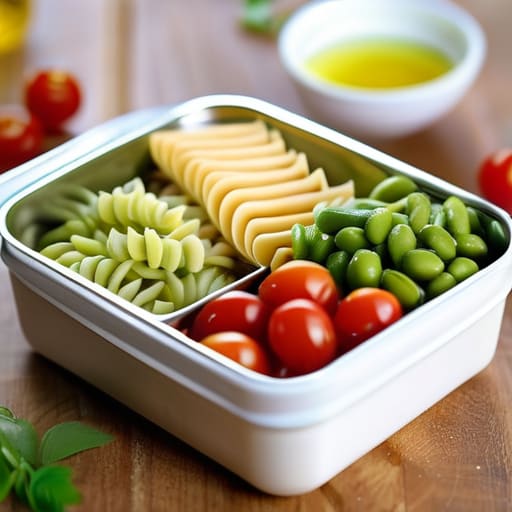
Pasta is a staple for a reason—it’s cheap, filling, and kids actually eat it. But if you’re moving away from meat and relying on vegetarian options, you have to be smarter about the protein. Don’t just throw in some peas and call it a day. Use edamame, feta cheese, or even small pieces of halloumi to give the meal some actual substance. A child who hasn’t had meat in their diet needs those plant-based proteins to stay focused through afternoon lessons.
The Savoury Muffin Approach
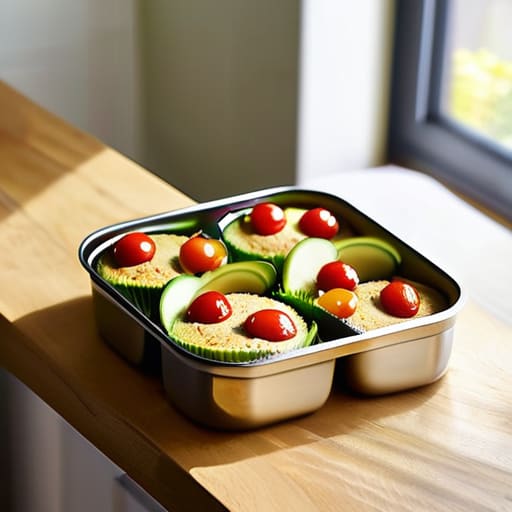
Savoury muffins are a brilliant way to hide vegetables, but they aren’t just a way to sneak spinach into a picky eater’s diet; they are a practical tool for controlled portions. You can bake a large batch of corn or courgette muffins on a Sunday, and they are much easier to manage than loose vegetables that might get lost at the bottom of a bag. They are self-contained, which means less mess and less chance of something being left out on a desk to spoil.
Wraps and Roll-Ups
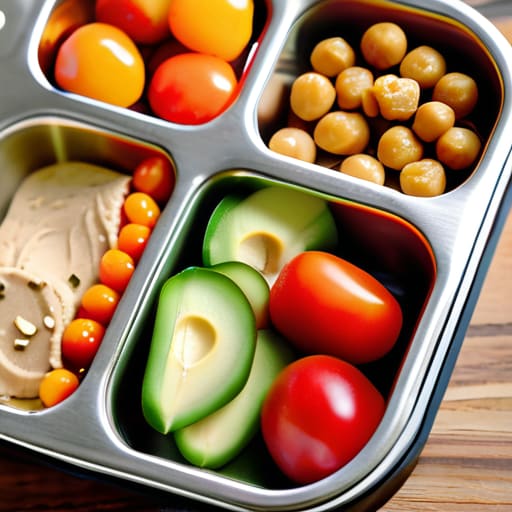
Wraps are the ultimate “grab and go” food, but they can be a bit of a minefield if you aren’t careful with your fillings. If you’re using hummus or cream cheese as a base, you are dealing with high-risk ingredients that cannot sit at room temperature for long. I always tell kitchen staff: if the wrap is heavy on the dairy or the legumes, it needs an ice pack. There is no middle ground here.
The Homemade Veggie Skewer
If you want to encourage kids to actually eat their vegetables, sometimes you have to make it look less like a chore. Skewers with cubes of mild cheese, cucumber, and cherry tomatoes are visually appealing and easy for small hands to manage. It’s a great way to provide a variety of micronutrients in a single, compact format that doesn’t require a lot of heavy prep time during the morning rush.
Lentil and Vegetable Stews
For colder months, there is nothing better than a thick lentil stew, but this is where many school kitchens trip up on the logistics of reheating. If you are preparing these to be eaten cold or at room temperature, you have to ensure the lentils are cooked thoroughly to avoid any digestive issues. If they are meant to be warmed up, the reheating process must be vigorous—we’re talking about hitting a core temperature that leaves no room for doubt.
Fruit and Nut-Free Energy Bites
We need to talk about the “healthy” snacks that often cause the most trouble in school environments. Energy bites made from oats, seeds, and dried fruit are a fantastic vegetarian alternative to processed biscuits, but they are a major allergen risk. Many recipes call for peanut butter or almond flour, which are absolute no-goes in most school settings. You have to be incredibly disciplined about using sunflower seed butter or tahini instead.
The Reality of the Vegetarian Lunchbox
At the end of the day, whether you are serving a lentil dahl or a simple cheese sandwich, the menu is only half the battle. We have talked about the importance of protein variety, but we cannot ignore the logistics that keep these meals safe. If you are swapping meat for beans or dairy, you must be obsessive about cross-contamination and even more disciplined about how those items are stored and kept at the right temperature until they reach the child. You don’t need a Michelin-star kitchen to do this well; you just need a consistent, repeatable system that doesn’t fall apart when the lunch rush hits and the staff are stretched thin.
I know how it feels when you are staring at a pile of prep and a ticking clock, wondering if you have missed something small. But remember, food safety isn’t about achieving perfection on a spreadsheet; it is about the practical application of care in the middle of a busy service. If you focus on these core controls—temperature, allergen separation, and sensible prep—you are already doing more than most. Don’t aim to do everything at once; just aim to do the essentials reliably. That is how you build a kitchen that actually works for the kids and keeps them safe.