I’ve sat in too many prep kitchens during the mid-morning rush to believe the nonsense about expensive, specialized vegetable washers or those “miracle” fruit and veggie cleansers you see in glossy supermarket aisles. Honestly, most of that is just a way to sell you plastic you don’t need. When you’re staring down a mountain of spinach or a crate of romaine and the lunch bell is about to ring, you don’t need a gadget; you need a process that actually works. I’ve seen staff try to cut corners by just doing a quick splash of water, and I’ve seen them waste twenty minutes on a ritual that doesn’t actually move the needle on safety. The proper way to wash leafy greens isn’t about the equipment you buy, but about the discipline of the sequence you follow when things get chaotic.
I am not here to give you a lecture on theoretical microbiology or a list of things you’ll never have time to do. Instead, I’m going to give you a realistic, step-by-step method for cleaning greens that actually sticks in a high-pressure environment. We are going to focus on a workflow that manages grit, reduces cross-contamination, and—most importantly—is something your team can actually sustain without falling behind.
Beyond the Rinse Real Food Safety for Leafy Greens
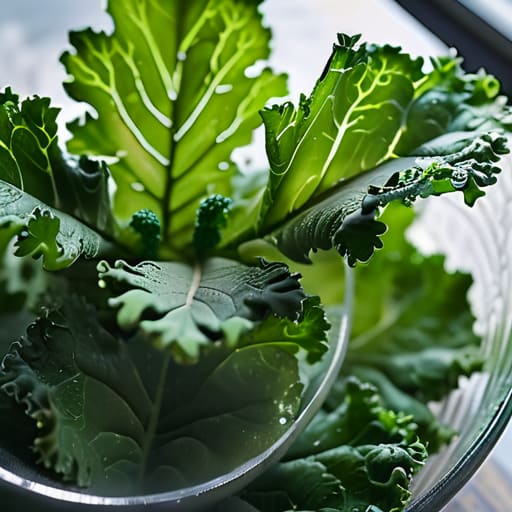
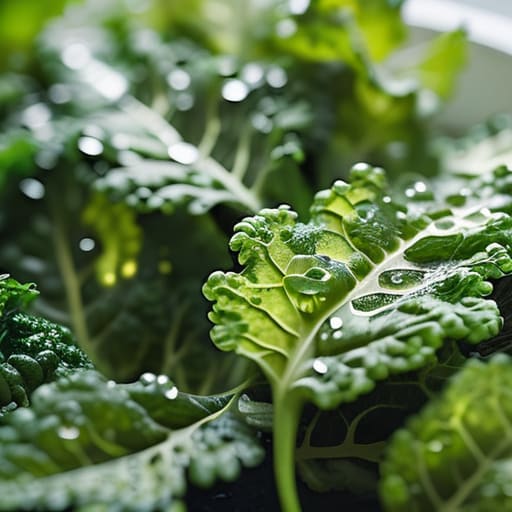
Let’s be honest: a quick splash under the tap isn’t a cleaning protocol; it’s a gesture. When you’re prepping for a hundred school lunches, the temptation to just grab a handful of lettuce and rinse it as you go is massive. But if you aren’t actually removing dirt from salad greens in a controlled way, you’re just moving the bacteria around the bowl. I’ve seen too many kitchens treat washing as an afterthought, only to find the “clean” greens are still gritty or, worse, harbor pathogens in the nooks and crannies of a curled kale leaf.
You don’t need a laboratory, but you do need a system. If you’re looking for the best way to wash lettuce or more robust greens like spinach, you need a dedicated soak. I see people suggest a vinegar soak for vegetables as a magic bullet, but let’s be clear: it’s not a substitute for physical agitation. Use a clean basin, submerge the greens, and let them sit so the weight of the water does the work of loosening the grit. Once they’ve soaked, you must rinse them again in fresh, potable water. It takes an extra three minutes, but in my experience, those three minutes are the difference between a safe service and a frantic call to the headteacher.
Removing Dirt From Salad Greens When Time Is Short
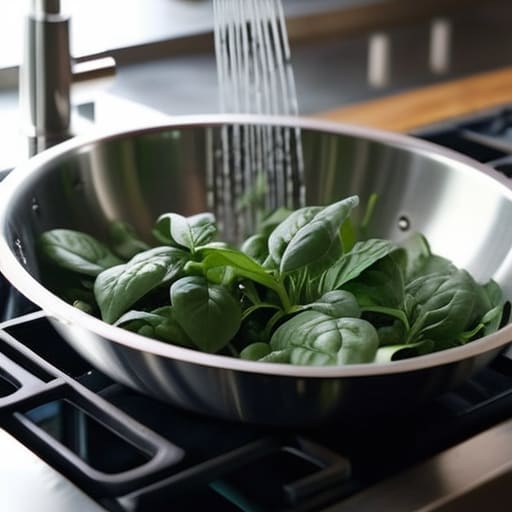
When you’re staring down a service window and forty portions of salad are due in ten minutes, the “perfect” method usually goes out the window. I’ve seen staff try to rush this by just giving everything a quick spray under the tap, but that’s how grit ends up in a child’s teeth or, worse, how you miss a pocket of soil hiding in a bunch of spinach. If you are short on time, don’t try to be fancy with individual leaf scrubbing. The most efficient way of removing dirt from salad greens is to use a large, deep colander or a dedicated salad spinner in stages.
Don’t fall into the trap of thinking a quick splash is enough. If you are working with heavier textures, like when learning how to clean spinach and kale, you need a soak. Fill your sink or a large tub with cold water and let the greens sit for a minute; the heavy grit will sink to the bottom while the leaves float. Once you lift the leaves out, they are significantly cleaner than if you’d just rinsed them under a running tap. It’s a small, repetitive motion, but it’s the only way to ensure you aren’t serving a plate of sand.
Five Non-Negotiables for a Busy Service
- Stop the ‘spray and pray’ method; a quick spray under a tap doesn’t reach the grit hiding in the center of a romaine heart, so you need a proper soak and agitation if you want it clean.
- Use separate basins for washing and rinsing—if you’re using the same bowl to wash and then ‘clean’ the greens, you’re just swirling the dirt and pathogens around in a loop.
- Make sure your colanders are actually clean; I’ve seen more contamination from a crusty, neglected strainer than from the produce itself.
- Prioritize the drying stage—wet leaves are a breeding ground for bacteria and they turn to slime in the fridge, so get them spun dry or patted down before they hit the prep container.
- Keep your washing station separate from your raw meat prep area; it sounds obvious, but when the lunch rush hits and the kitchen gets cramped, that’s when cross-contamination slips through the cracks.
The Reality Check
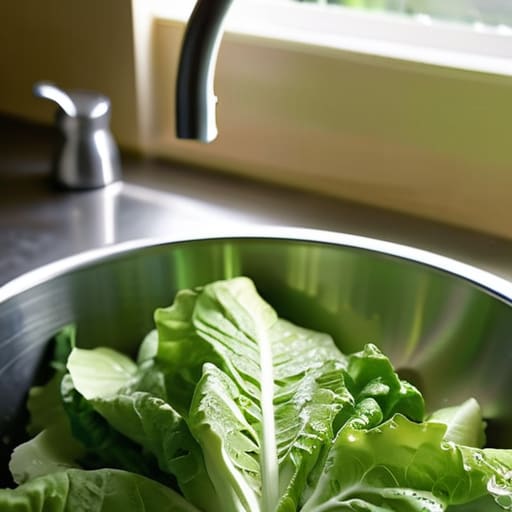
At the end of the day, washing leafy greens isn’t about achieving some sterile, laboratory-grade perfection; it’s about managing the variables you actually have control over. You don’t need a high-tech industrial washer to keep your students safe, but you do need a consistent, repeatable sequence that your team can follow even when the lunch bell is about to ring. Whether you are focusing on a thorough soak to dislodge grit or ensuring your staff isn’t using the same contaminated water for every batch, the goal is the same: preventing a single lapse in hygiene from becoming a headline. Stick to the basics—clean water, clean basins, and a clear process—and you’ve already done more than most.
I know how it feels when you’re staring down a mountain of spinach with only ten minutes until service starts. It is tempting to just give everything a quick, superficial splash and hope for the best, but that is exactly where the risk hides. Food safety isn’t about being perfect every single second of the day; it’s about building sustainable habits that hold up when the pressure is on. If you can master the small, “boring” task of a proper wash protocol, you aren’t just ticking a box for an inspector—you are protecting the people sitting at your tables. That is the only metric that actually matters.
If you are managing a team where the turnover is high or you’re constantly bringing in new seasonal staff, you can’t just rely on a laminated sheet stuck to the wall; you need a way to build a bit of a local support network or a sounding board for when things get chaotic. I’ve found that sometimes the best way to stay sharp is to connect with others who understand the local pressures, whether that’s through professional groups or even just meeting people in Essex who are navigating the same community-driven service challenges you are. It’s about finding that practical peer support so you aren’t just guessing when a new procedure hits the kitchen floor.