I’ll never forget the smell of a school kitchen in mid-July—a thick, cloying scent of sour milk and old grease that hit you the second you stepped through the service door. I was inspecting a site that had spent a small fortune on high-tech stainless steel equipment, yet they were still fighting a losing battle against standing water near the pot wash. It wasn’t a lack of fancy gear; it was a fundamental failure in how drainage should be designed. They had prioritized aesthetics over the reality of a heavy-duty cleaning shift, leaving the staff to mop up grey water instead of actually sanitising the floor.
I’m not here to sell you on expensive, over-engineered plumbing solutions that look great in a brochure but fail the moment your team is slammed during a lunch rush. My goal is to show you the practical reality of drainage—the kind that works when the floor is slick, the staff is tired, and the budget is tight. I’ll tell you exactly where you can afford to be precise and where you can stop overthinking, focusing on the sustainable controls that actually keep your kitchen safe and your floors dry.
Table of Contents
The Cost of Ignoring Slope and Gradient Requirements
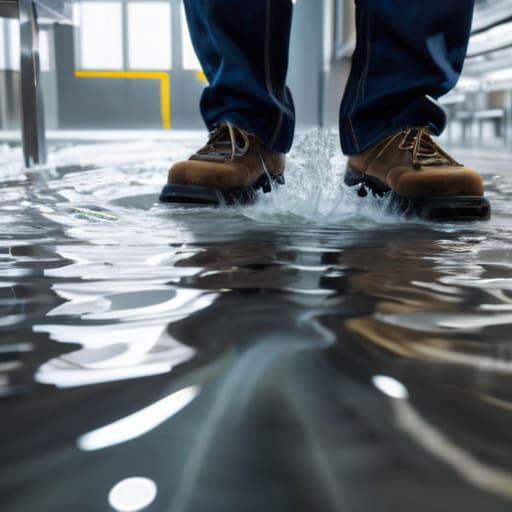
When I walk into a kitchen and see a puddle of grey water sitting stubbornly near the prep station, I don’t just see a slip hazard; I see a breakdown in the very foundation of your food safety plan. If your floor doesn’t meet basic slope and gradient requirements, you aren’t just dealing with an inconvenience—you are inviting bacteria to settle in. Standing water is a playground for pathogens, and no amount of high-frequency scrubbing will fix a floor that was poured with the wrong pitch. You can buy the most expensive chemical sanitiser on the market, but if that water isn’t moving toward the drain, you’re essentially just spreading the mess around rather than removing it.
The real cost, however, isn’t just the extra mop time or the risk of a staff member going down. It’s the long-term structural damage. Poorly managed runoff can lead to issues with preventing water ingress into the sub-flooring or even the walls. Once moisture gets trapped under your tiles because the drainage was an afterthought, you’re looking at expensive, invasive repairs that will shut your kitchen down far longer than any routine inspection ever would. Don’t treat drainage as a secondary concern; treat it as the first line of defence for your entire operation.
Preventing Water Ingress Before It Becomes a Crisis
We need to talk about what happens when the water stops being a tool and starts being an intruder. I’ve stood in kitchens where the floor looks fine until someone turns on a high-pressure hose, and suddenly, you’re looking at water creeping under the stainless steel prep tables or, worse, pooling near the dry stores. Preventing water ingress isn’t just about having a drain in the floor; it’s about ensuring the physical barriers between your “wet” zones and your “dry” zones are actually watertight. If your seals around the kickplates are perished or your floor-to-wall junctions are crumbling, you’re essentially inviting a mould colony to move in.
This is where the disconnect between civil engineering drainage standards and daily kitchen reality usually hits. You can have the most expensive equipment in the world, but if the subsurface drainage installation wasn’t handled correctly during the build, you’ll end up with damp patches that no amount of scrubbing will fix. I don’t want to see you fighting a losing battle against rising damp or stagnant puddles. Focus on the junctions—where the floor meets the wall and where the equipment meets the ground. If those points aren’t sealed and sloped correctly, you aren’t just looking at a cleaning headache; you’re looking at a structural risk.
Five Design Realities That Actually Work When the Rush Hits
- Stop obsessing over fancy stainless steel finishes and focus on the fall; if your floor doesn’t have a decisive, aggressive slope toward the drain, your staff will eventually stop mopping and start pushing dirty water around like a lake.
- Prioritise accessibility for the cleaning crew, because if a drain cover is so heavy or awkward that it requires a two-person lift, it’s going to stay shut, and that’s exactly how you end up with a biofilm nightmare sitting right under your prep tables.
- Design for “trap-ability” without making it a chore; you need deep enough traps to stop those foul smells from the sewer from drifting into the dining hall, but they have to be easy enough to pull out and clear of debris during a standard shift change.
- Think about your grease management as part of the architecture, not an afterthought; if you haven’t planned for a way to intercept fats and oils before they hit the main line, you aren’t designing a drainage system, you’re designing a future plumbing catastrophe.
- Ensure your drainage points aren’t located in “dead zones” where equipment is permanently bolted down; there is nothing more frustrating—or unhygienic—than having a perfect drain that you can’t actually reach because a massive prep fridge is sitting right on top of it.
The Bottom Line for Your Kitchen Floor
Stop obsessing over high-tech drainage solutions and get the basics right; if your floor doesn’t slope steeply enough to prevent standing water, no fancy grate in the world is going to stop a slip hazard or a bacterial breeding ground.
Design for the reality of your cleaning shift, not the ideal; if a drain is tucked behind a heavy prep table or is too small for a standard mop head to clear, it won’t get cleaned properly when the team is slammed.
Treat drainage as a preventative safety control rather than a plumbing afterthought, because a poorly designed floor is a silent contributor to cross-contamination and structural damp that you’ll be fighting for years.
Frequently Asked Questions
If I can't afford a full-scale redesign of my current floor layout, what’s the one quick fix I can implement to stop water from pooling in the high-traffic prep areas?
If you can’t rip up the floor, stop fighting the physics and start managing the flow. The quickest fix is a high-quality, heavy-duty squeegee and a strict “dry floor” policy for your prep team. If water is pooling, it’s sitting there becoming a slip hazard and a breeding ground for bacteria. Don’t just tell them to clean; give them the right tool and make “squeegee to drain” a non-negotiable part of their station reset.
How do I know if my current drainage covers are actually fit for purpose, or if they're just becoming a breeding ground for pests and biofilm?
If you’re wondering if your covers are just decorative, stop looking at them and start looking under them. If you find yourself constantly scrubbing away a grey, slimy film—that’s biofilm, and it’s a sign your covers aren’t seated right or aren’t easy enough to lift. If you see standing water around the edges or find you’re constantly chasing fruit flies, your covers are failing. If they aren’t easy to clean, they won’t be cleaned.
When we're dealing with a massive rush and the floor gets soaked, how can I tell if the drainage is failing because of a design flaw or just poor cleaning discipline?
Look at where the water sits. If it’s pooling in the middle of a walkway or stagnant around a drain despite a clean floor, you’ve got a design flaw—the slope is wrong, and no amount of scrubbing will fix that. But if the water is backed up or stagnant only around the drain grates themselves, that’s usually a maintenance issue. It means your team isn’t clearing the debris or the traps properly during the rush.