I once walked into a school kitchen during the mid-morning rush, the air thick with the smell of toasted bread and floor cleaner, only to see a junior chef trying to shimmy a massive, half-full crate of milk through a narrow doorway by himself. He wasn’t being reckless; he was just exhausted and trying to keep up with the lunch service timer. Most health and safety manuals will tell you that manual handling is about complex biomechanics or expensive, high-tech lifting aids that you’ll never actually use. But in a real, high-pressure kitchen, that’s nonsense. The truth about how manual handling risks are controlled isn’t found in a glossy brochure; it’s found in the way you organize your dry store and whether or not you’ve actually made it physically possible for your team to work smart when they’re tired.
I’m not here to give you a lecture on perfect posture that ignores the reality of a forty-minute service window. Instead, I’m going to show you the practical, slightly unglamorous ways to manage the load. We are going to look at realistic, sustainable habits—like clever storage placement and smart trolley use—that actually work when the pressure is on. I’ll tell you what to prioritize so you can protect your staff without slowing down the service.
Table of Contents
Beyond the Textbook a Practical Manual Handling Hierarchy of Controls
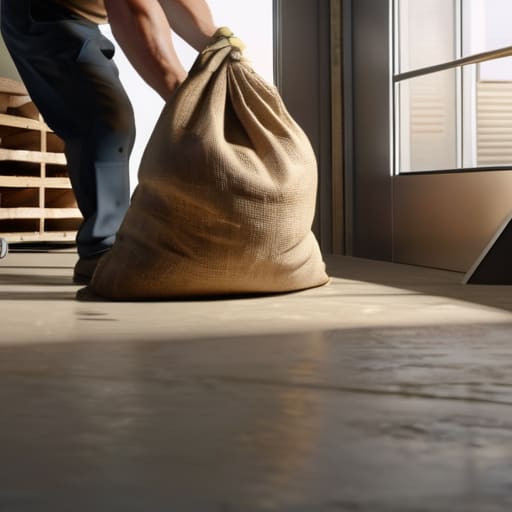
The textbook version of a manual handling hierarchy of controls looks lovely on a laminated poster in the staff room, but it rarely survives a Tuesday lunch rush. In theory, you eliminate the risk; in reality, you’re trying to move a fifty-kilo sack of potatoes from a delivery pallet to a dry store while the bell is about to ring. Since we can’t exactly stop delivering heavy goods, your real priority has to be mechanical aids for lifting. If you have a trolley, use it. If you have a sack truck, keep it in a place where it’s actually accessible, not tucked behind the cleaning chemicals where no one can find it when they’re in a hurry.
When you can’t use a machine, that’s when the “boring” stuff matters. I’ve seen too many people try to power through a heavy lift with bad form just to save thirty seconds. You don’t need a degree in ergonomic assessment techniques to know that a twisted spine is a recipe for disaster. Focus on smart positioning—keep the weight close, don’t twist mid-lift, and if a load is awkward, ask for a second pair of hands. It isn’t about being “soft”; it’s about workplace injury prevention that actually keeps your team on their feet.
Workplace Injury Prevention When You Are Running on Empty
Let’s be honest: when the lunch bell is about to ring and you’ve got three deliveries arriving at once, “perfect form” goes out the window. You aren’t going to be performing a textbook squat every time you reach for a bag of flour. But workplace injury prevention isn’t about being a gymnast; it’s about making the job less of a grind so your staff don’t end up on long-term sick leave. If you’re running on empty, you have to stop thinking about “training” as a lecture and start thinking about it as logistics.
If you can’t hire more hands, you have to use what you have. This means investing in the small, unglamorous things—a decent trolley, a sturdy step stool, or even just rearranging the dry store so the heaviest sacks aren’t sitting on the bottom shelf of a cramped corner. I’ve seen too many chefs develop chronic back issues because they were trying to be heroes with a 25kg sack of potatoes. Realistically, musculoskeletal disorder prevention in a high-pressure kitchen comes down to reducing the sheer number of times a person has to bend, twist, or reach awkwardly. If you can automate even one heavy lift, you’ve bought yourself a lot of future stability.
The "real world" checklist: Five things that actually stop a back from going
- Stop the “hero lifting” culture. I’ve seen it a thousand times: a junior staff member trying to be a star by lugging a 25kg sack of flour across a wet floor alone. Make it clear that asking for help—or using the trolley—isn’t a sign of weakness, it’s a sign of a professional who wants to be able to walk home at the end of their shift.
- Map your “heavy zones.” You don’t need a complex ergonomic study; just look at where the heaviest stuff lands. If your most frequent heavy lifts—like those massive stock pots or crates of milk—are happening in the narrow gap between the prep table and the fridge, you’re asking for a disaster. Move the storage, or move the workflow.
- Respect the “micro-breaks” for the spine. When you’re mid-service and the tickets are flying, nobody thinks about posture. But if you’ve just spent twenty minutes leaning over a low prep station, take ten seconds to stand tall and reset. It sounds small, but those cumulative micro-strains are what turn into chronic issues by year three.
- Audit your kit, even when you’re busy. A trolley with a seized wheel or a sack truck that wobbles is worse than no trolley at all—it forces the person to use their core to stabilise the load, which is exactly how you blow a disc. If the kit is rubbish, it stays in the cupboard, and it needs replacing. Period.
- The “one-handed” trap. In a rush, it’s tempting to grab a heavy tray or a box with one hand while trying to open a door or clear a space with the other. It feels efficient for three seconds, but it puts your spine in a twist that no amount of stretching will fix. If you can’t carry it with two hands or a tool, don’t carry it yet.
The reality check: What actually keeps your team upright
Stop trying to perfect every single movement; focus your energy on the high-risk stuff, like the heavy, awkward deliveries and the repetitive lifting that happens when you’re trying to clear the service rush.
If you can’t change the weight of the task, change the environment—clear the floor of those stray crates and make sure the heavy stuff isn’t being shoved into the back of a cramped walk-in where nobody can get a proper grip.
Forget the fancy, multi-step lifting techniques that no one remembers when the lunch bell rings; just make sure your staff actually feel empowered to say, “I can’t lift this alone,” without feeling like they’re failing the team.
Frequently Asked Questions
If I don't have the budget for a new trolley or a hydraulic lift, what are the absolute bare-minimum changes I can make to my current setup?
If the budget isn’t there for fancy kit, stop trying to “work harder” and start working smarter with what you’ve got. First, clear the decks: if a trolley is blocked by a stray crate, it’s useless. Second, stop the “one-trip” madness—it’s better to make three easy trips than one trip that lands someone in A&E. Finally, check your storage heights. If the heavy stuff is at floor level or above shoulder height, move it.
How do I actually get my team to follow the lifting protocols when they're in the middle of a frantic lunch service and just want to get the job done?
You don’t get them to follow protocols by lecturing them during the rush; that’s when tempers are high and time is low. You get them to follow them by making the “right” way the easiest way. If a heavy stock pot is sitting on a high shelf instead of a waist-high prep table, they’ll lift it wrong every single time just to save ten seconds. Fix the environment before the service starts.
At what point does a "heavy lift" stop being a training issue and start being a sign that I need to fundamentally change how we receive our deliveries?
It stops being a training issue the moment you see the same person struggling with the same weight, regardless of how many times you’ve coached them on “knees and back.” If your team is consistently using “correct technique” but still looking exhausted or taking twice as long to clear a pallet, the problem isn’t their posture—it’s your procurement. If you’re ordering 25kg sacks when a 10kg bag would do the job, no amount of training will fix that math.