I remember walking into a school kitchen three years ago—it was the middle of a frantic Tuesday lunch service—and the first thing that hit me wasn’t the smell of roast chicken, but the sharp, stinging scent of industrial degreaser wafting from a cupboard left propped open right next to the dry stores. When I asked to see their COSHH folder, the manager looked like he wanted the floor to swallow him whole because he thought “compliance” meant having a thick binder on a shelf, not actually keeping the bleach away from the flour. Most people think understanding how chemical storage is regulated is about memorizing a massive list of legal jargon or buying expensive, color-coded shelving systems that nobody uses. It isn’t. It’s about the physical reality of your workspace and making sure a misplaced bottle doesn’t turn a routine lunch into a medical emergency.
I’m not here to lecture you on the fine print of the law just for the sake of it. My goal is to strip away the bureaucratic fluff and tell you what actually matters when you’re managing a busy kitchen on a shoestring budget. I will show you the practical, sustainable controls that satisfy an inspector and, more importantly, keep your staff and students safe.
Table of Contents
Mastering Ghs Labelling Standards Without Losing Your Mind
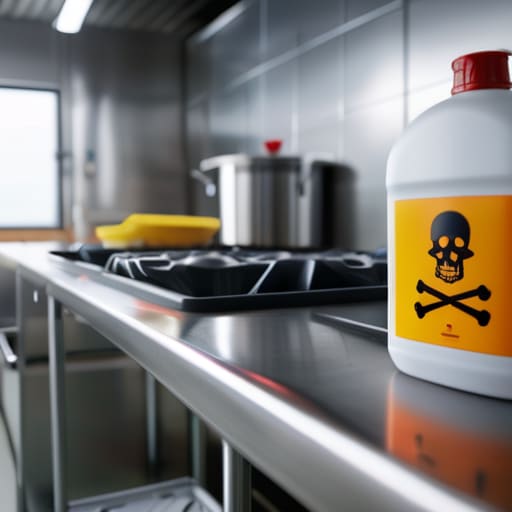
Look, I know the moment you see a pile of new GHS pictograms, your instinct is to roll your eyes and wonder how this helps you get the lunch service out on time. But GHS labelling standards aren’t just there to make the bottles look intimidating; they are your primary line of defence when things go wrong. If a staff member accidentally splashes a concentrated degreaser into their eyes, they shouldn’t have to play detective with a faded, handwritten label. They need to see that skull and crossbones or the exclamation mark instantly.
The trick to managing this without it becoming a second job is to stop treating it as a paperwork exercise and start treating it as a visual language. You don’t need to memorize every line of the safety data sheets compliance manuals, but you do need to ensure that every secondary container—the spray bottles, the decanted jugs, the little squeeze bottles—has a clear, legible label that matches the original. If you’re decanting a chemical into a smaller bottle and you don’t label it immediately, you aren’t just cutting corners; you are actively inviting a chemical accident into your kitchen. Keep it simple: if it’s not in the original container, it must have a label. Period.
The Reality of Workplace Safety Legislation in Busy Kitchens
When I sit down with a kitchen manager during an inspection, they rarely ask me about the nuances of specific legislation. They usually ask, “How am I supposed to keep track of all this when I’ve only got two staff on the midday rush?” It’s a fair question. The truth is, most workplace safety legislation isn’t designed for a kitchen in the middle of a lunch service; it’s written for people with desks and filing cabinets. But in a school kitchen, that gap between the law and the reality of a busy service is exactly where accidents happen.
You don’t need a three-ring binder full of dusty paperwork to be compliant, but you do need a system that survives a Tuesday afternoon. For me, compliance isn’t about having a perfect folder; it’s about making sure your team actually knows where the safety data sheets are kept when a splash hits someone’s eye. If your protocols are so complex that they get ignored the moment the oven timer goes off, they aren’t safety protocols—they’re just paper. We need to focus on the small, repeatable actions that actually protect your staff.
Five Ways to Keep the Regulator Happy Without Creating More Paperwork
- Stop the ‘Spray and Pray’ Method: Regulations aren’t just about having the chemicals; they are about knowing exactly what is in the bottle. If you are decanting a cleaning solution into a generic spray bottle without a clear, legible label, you aren’t just being messy—you’re breaking the law and risking a massive cross-contamination incident.
- Segregation is Non-Negotiable: I have seen too many kitchens try to save space by tucking a bottle of heavy-duty degreaser next to the uncovered sacks of flour. The law expects physical separation. If you can’t afford a separate chemical cupboard, you at least need a dedicated, low-level zone that is physically distant from any food contact surfaces or ingredients.
- The SDS is Not a Decoration: You don’t need to memorise the Safety Data Sheets, but you do need to know where they are kept and that they are accessible to the person holding the mop at 6:00 AM. If I ask your junior staff member how to handle a splash in the eye and they have to hunt through a dusty binder in the manager’s office, you’ve already failed the inspection.
- Control the Flow, Not Just the Bottles: Regulation focuses on how chemicals enter and leave your kitchen. You need a simple, repeatable way to track what you’re using. It doesn’t have to be a digital spreadsheet; a basic, signed delivery log that confirms chemicals arrived in good condition and haven’t been tampered with is often enough to satisfy a reasonable inspector.
- Training Must Be Practical, Not Just a Signature: A signed training sheet is a piece of paper; knowing not to mix bleach and ammonia is food safety. Regulation requires that your staff actually understand the risks. I’d much rather see a five-minute “toolbox talk” during a shift change than a hundred-page manual that sits untouched in a drawer.
What You Actually Need to Take Away From This
Stop chasing perfection in your paperwork and start focusing on physical separation; if your degreaser is within arm’s reach of your prep surfaces, a fancy labelling system won’t save you from a contamination incident.
GHS symbols aren’t just bureaucratic clutter—they are your quickest line of defence when a staff member reaches for the wrong bottle in a rush, so make sure those labels are actually legible and not covered in grease.
Compliance isn’t a one-time event for an inspection; it’s about building a storage routine that your team can actually maintain during a lunch rush without cutting corners.
Frequently Asked Questions
I’ve got the right bottles, but if the original manufacturer's label is peeling off, what am I actually legally allowed to write on my own refill container?
If that label is peeling, you’re officially in the danger zone. You can’t just grab a Sharpie and write “Cleaner.” Legally, you need to replicate the essentials: the product name, the specific hazards (like ‘corrosive’), and the signal words. If you’re decanting into a smaller bottle, it must be clearly identifiable and match your COSHH assessments. Don’t guess. If you can’t clearly communicate what’s inside, it doesn’t belong on your shelf.
How much space do I really need to separate my cleaning chemicals from my food prep areas to satisfy an inspector?
Look, I’m not going to give you a measurement in centimeters; there isn’t one in the legislation. If I walk in and see a bottle of degreaser sitting on the prep table next to the sliced tomatoes, I don’t care if you’re ten feet away from the flour—you’ve failed. You need a dedicated, lockable space that is physically separate. If your kitchen is too tight for a separate cupboard, you need a strict “clean-as-you-go” protocol and zero chemicals on prep surfaces.
If I’m using a professional cleaning service that brings in their own supplies, whose responsibility is it to ensure those chemicals are stored according to the safety data sheets?
It is your responsibility. Period. I’ve seen too many managers assume that because a contractor brings the bottles, the liability stays with them. If those chemicals are sitting under a prep table or near your dry stores, it’s your kitchen and your risk. You must ensure their staff follows the Safety Data Sheets and that you’ve reviewed their COSHH assessments. Don’t outsource your accountability; you’re the one who has to answer for it.