I once stood in a school kitchen during a mid-morning rush, watching a chef scramble through a mountain of disorganized delivery notes because a supplier had flagged a batch of contaminated spinach. The air was thick with the smell of toasted bread and the frantic energy of a team trying to find a single piece of paper before the lunch bell rang. Most people think a complete guide to traceability means buying a thousand-pound software system or drowning yourself in a sea of endless spreadsheets, but that’s just expensive box-ticking. In a real, working kitchen, traceability isn’t about high-tech magic; it’s about knowing exactly which bag of flour hit the prep table when the chaos starts.
I’m not here to sell you on a complicated digital revolution that your staff won’t have the time to actually use. Instead, I’m going to give you a practical, no-nonsense look at how to track your stock without losing your mind. This is my version of a complete guide to traceability, focused on the small, boring controls that actually work when you’re serving four hundred meals on a shoestring budget. We’ll focus on what you can realistically sustain, so you’re ready when it matters.
Table of Contents
Supply Chain Visibility Without the Expensive Fluff
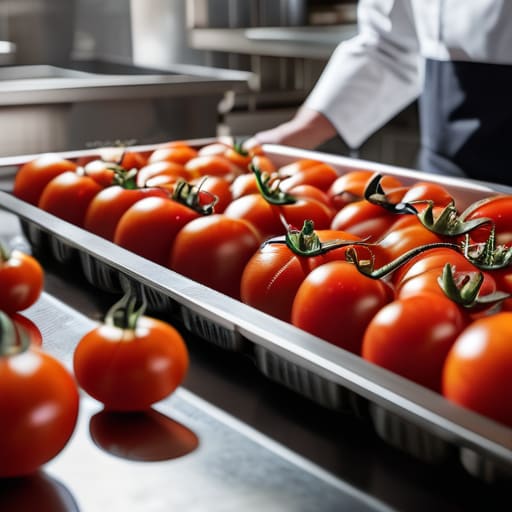
You don’t need a million-pound software suite to achieve decent supply chain visibility. I’ve seen schools and small care homes try to implement these massive, end-to-end traceability systems that look great in a sales brochure but fall apart the moment the lunchtime rush hits. If your staff has to spend twenty minutes logging data into a tablet just to pull a single crate of tomatoes, they won’t do it. They’ll skip it. And that’s exactly where the risk creeps in.
Realistically, visibility starts with batch number management that actually works in a busy environment. It’s about having a system where a chef can glance at a delivery note and know exactly which lot of milk arrived this morning without needing a degree in data science. You aren’t trying to track every grain of salt through its entire product lifecycle; you are trying to build an audit trail documentation process that is fast enough to be used when things go wrong. If you can pinpoint a faulty batch of flour in thirty seconds rather than thirty minutes, you’ve already won half the battle.
Mastering Batch Number Management on a Tight Schedule
I’ve stood in kitchens where the delivery driver is halfway out the door before the first crate is even even unloaded. In those moments, I know that batch number management is the first thing to fall by the wayside. You think, “It’s just a bag of flour,” or “It’s just a carton of milk,” but if that specific batch is recalled, you aren’t just looking for a bag; you’re looking for a needle in a haystack of identical packaging. If you can’t link that specific lot to the tray served at lunch, your entire system has failed.
You don’t need a high-tech, expensive software suite to make this work. Real-world traceability is about creating a disciplined habit at the point of entry. When a delivery arrives, don’t just check the quantity; glance at the batch code and scribble it onto your daily prep sheet or your receiving log. It takes ten extra seconds, but it builds an audit trail documentation process that actually holds up when a manager or an inspector asks, “Where did this come from?” It’s about making sure the paper follows the food, not the other way around.
Five Ways to Make Traceability Work Without Losing Your Mind
- Stop treating delivery notes like junk mail. If you aren’t checking the batch numbers and use-by dates the second that crate hits the prep table, you’ve already lost the trail. It takes thirty seconds now, but it saves three hours of chaos later when you’re trying to figure out which bag of flour caused the issue.
- Keep your “paperwork” where the action is. I’ve seen too many kitchens with a perfect folder tucked away in a dry office, while the actual prep area is a graveyard of unlabelled containers. If the staff has to walk twenty paces to log a delivery, they won’t do it. Keep the logs, the pens, and the clipboards right by the receiving area.
- The “First In, First Out” (FIFO) rule isn’t just a suggestion from a textbook; it is your primary traceability tool. When you rotate stock properly, you aren’t just managing freshness—you’re ensuring that if a supplier calls with a recall, you actually know whether that specific batch is sitting in your walk-in or has already been cooked into a sauce.
- Labeling isn’t just about names; it’s about the “when.” If you’re decanting ingredients from bulk bags into smaller tubs, that tub needs a label that tells me exactly what it is and when it was opened. A tub that just says “Flour” is useless when I’m trying to trace a batch back to a specific supplier.
- Build a “one-step” rule into your routine. You don’t need to know the history of the farm where the tomato was grown, but you absolutely must know exactly which supplier sent it to you and which delivery driver dropped it off. If you can bridge that one gap between the delivery truck and your prep station, you’ve done 90% of the hard work.
The Bottom Line: Making Traceability Work for You
Forget the complex software for a moment; if you can’t tell me which delivery of milk arrived this morning and which one is from yesterday, your system has already failed.
Focus your energy on the high-risk stuff—allergens and proteins—rather than getting bogged down in trying to track every single grain of salt in the pantry.
Traceability isn’t a paperwork exercise to satisfy an auditor; it is your only way to stop a single bad batch of ingredients from turning into a full-blown kitchen crisis.
Frequently Asked Questions
If we’re already using a digital ordering system, does that actually count as traceability, or is there still a gap between the screen and the physical crate?
It counts as a start, but let’s be honest: a digital system is just a map, not the actual terrain. You can have the most sophisticated software in the world, but if a delivery driver drops a crate of eggs and your team swaps them for a generic brand without updating the system, your digital trail is a lie. Traceability lives in the gap between the screen and the crate. If the physical label doesn’t match the digital entry, you’ve got nothing.
How do I manage traceability for "loose" items like fresh vegetables or bulk flour without turning my prep area into a filing cabinet?
You don’t need a filing cabinet; you need a system that moves with the food. For bulk flour, stop trying to track every gram and start tracking the bag. Once a sack is opened, that’s your “batch.” Write the delivery date and batch number on the bag with a thick marker immediately. For veg, use the “First In, First Out” rule religiously. If it’s in a prep tub, it should have a dated label. Simple, visible, and actually doable when you’re mid-service.
What is the absolute bare minimum I need to record for a batch to stay compliant if I don't have the staff to do a full deep-dive every single day?
Look, I get it. You’re three minutes away from the lunch rush and the delivery driver is hovering. If you can’t do the full deep-dive, focus on the “Golden Three”: the product name, the batch/lot number, and the use-by date. That’s it. If a child has an allergic reaction or a batch of milk is spoiled, those three bits of info are what allow us to trace the problem back to the source before it becomes a crisis.