I’ve spent enough time in school kitchens to know that when someone mentions “nutrition,” most catering staff immediately tune out, expecting a lecture on expensive superfoods or complicated supplement regimens. There is this ridiculous, expensive myth floating around that you need a cabinet full of boutique powders to maintain your skeletal strength, but that’s just nonsense. If you want to understand how calcium and bone health work, you don’t need a pharmacy; you need a consistent, repeatable strategy that fits into a busy service. I’ve seen too many well-meaning nutritional guides make it sound like a science experiment, when in reality, it’s about the boring, reliable basics that actually stick.
I am not here to sell you a lifestyle overhaul or a list of ingredients you can’t source on a school budget. My promise is much simpler: I am going to break down the mechanics of bone density using the same practical lens I use for food safety. We will look at what actually matters for long-term health and, more importantly, how to implement those choices in a way that is actually sustainable when you’re staring down a lunch rush.
Table of Contents
Skeletal System Mineral Regulation Managing the Daily Deficit

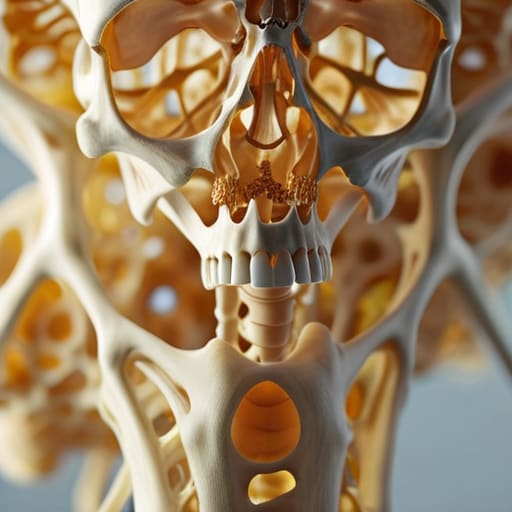
Think of your skeleton not as a static scaffolding, but as a living, breathing bank account. Every single day, your body performs a bit of “unauthorized withdrawal” to keep your heart beating and your muscles twitching. This process of skeletal system mineral regulation is constant; if you aren’t depositing enough calcium through your meals, your body doesn’t care about your future bone strength—it will simply raid your skeleton to keep the lights on.
This is where the logistics of a busy kitchen actually matter. You can’t just throw a random calcium supplement at a child and call it a day. To ensure effective calcium absorption mechanisms are actually working, you have to consider the synergy of what’s on the plate. For instance, if you’re serving fortified cereals or leafy greens, they won’t do much heavy lifting if the meal lacks the necessary Vitamin D to act as the key in the lock. My advice? Stop chasing complex nutritional trends and focus on the basics: reliable, consistent sources that ensure the “deposits” actually make it into the bone bank.
Calcium Absorption Mechanisms the Logistics of Getting It Right
Here is the reality of calcium absorption mechanisms: it isn’t enough to just put the mineral on a tray and hope for the best. Your body is incredibly picky about how it processes what we feed it. If you’re serving a high-calcium meal but the nutritional balance is off, much of that effort is essentially wasted. For instance, you cannot talk about calcium without addressing vitamin D and calcium synergy. Without adequate Vitamin D, the body struggles to pull that calcium from the gut into the bloodstream. In a school setting, this means looking at the whole plate—ensuring that fortified cereals or dairy options are paired with a diet that supports overall nutrient uptake.
I also see a lot of confusion regarding non-dairy calcium sources. If you are managing a kitchen with increasing dairy-free requirements, you need to be intentional. Plant-based milks or fortified soy products aren’t a “set and forget” solution; you have to check the labels to ensure they actually provide the levels needed for long-term bone density maintenance. It’s about making sure the fortification actually works in practice, not just on the spec sheet.
Making It Stick: Practical Ways to Support Bone Density Without the Chaos
- Stop chasing expensive supplements; focus on the staples your kitchen already handles. If you’re serving school meals, getting consistent servings of fortified milk, yogurt, or even canned sardines (if the picky eaters allow it) into the daily rotation is far more effective than hoping a child takes a pill once a week.
- Watch the salt, because it’s a quiet thief. High sodium intake can actually drive calcium out through your urine, essentially undoing the hard work of a nutritious meal. In a high-volume kitchen, that means being mindful of how much salt is being used in those processed stocks or pre-packaged breads.
- Vitamin D is the logistics manager of the bone world. You can feed a child all the calcium in the world, but without adequate Vitamin D to act as the transport mechanism, that calcium is just passing through. In our climate, that often means looking at fortified foods or being realistic about supplementation during the winter months.
- Don’t ignore the “load-bearing” aspect. Bone health isn’t just about what goes in the mouth; it’s about the stimulus. Encouraging even moderate physical activity in a school setting helps signal to the body that those minerals are actually needed to reinforce the skeletal structure.
- Consistency beats intensity every single time. I’ve seen people try to “fix” their nutrition with a massive overhaul that lasts three days before they burn out. For bone health, it’s about the boring, repetitive, daily habit of getting those minerals in. If you can’t sustain a complex menu, stick to the simple, calcium-rich basics that your staff can actually execute every single day.
The Bottom Line for Your Kitchen
Bone health isn’t about fancy supplements; it’s about ensuring your menu provides consistent, reliable calcium sources that your staff can actually prep and serve without adding chaos to the service.
Absorption is a logistics game—you can serve all the calcium in the world, but if the meal lacks the right balance or the kids aren’t getting enough Vitamin D, you’re essentially wasting your budget.
Focus on the fundamentals of mineral density rather than chasing nutritional trends; steady, predictable intake through standard school meals is more effective than sporadic, high-intensity nutrition.
Frequently Asked Questions
If my kitchen staff are mostly on their feet all day, does that change how much calcium they actually need compared to someone at a desk?
It’s a fair question, and I get asked it often. The short answer is: not significantly. While your team is burning more calories and physically taxed, the body’s requirement for calcium is more about bone maintenance and nerve function than daily energy expenditure. They aren’t “using up” calcium like they do glucose. However, because they’re on their feet all day, their bone density is under more mechanical stress—so keeping those levels steady is even more vital for their long-term mobility.
We use a lot of fortified plant milks in the school breakfast service; is that a reliable way to hit these targets, or is it just more paperwork for us to track?
Look, if you’re already using fortified plant milks, you’re halfway there. It’s actually one of the most efficient ways to hit those targets without overhaulng your entire menu. Don’t view it as extra paperwork; view it as a safety net. Just make sure your team knows which specific brands are fortified—because “oat milk” isn’t a nutritional category, but “fortified oat milk” is a tool. Check the labels once, update your allergen sheet, and you’re set.
How much does the "real world" factor in—like if someone is drinking a lot of coffee or not getting much sunlight—when we're trying to plan a menu that actually supports bone health?
Look, biology isn’t a laboratory; it’s messy. If your students are living on caffeine and staying indoors all day, their bodies are working twice as hard to keep those bones stable. Coffee can interfere with absorption, and without sunlight, Vitamin D isn’t there to do its job. You don’t need a PhD to fix this—just prioritize reliable calcium sources in the menu to create a buffer against those daily lifestyle drains.