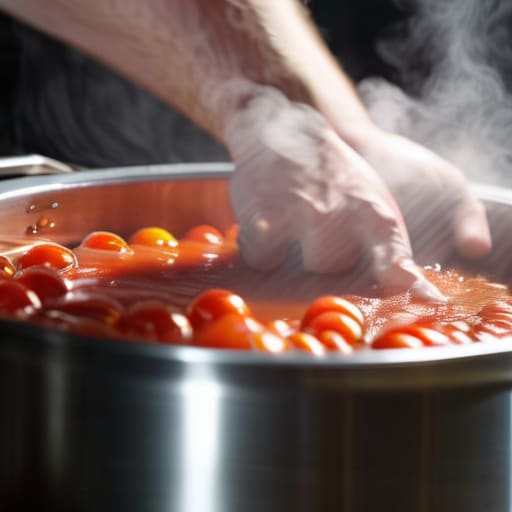
I remember standing in a school kitchen three years ago, the air thick with the smell of industrial degreaser and overcooked pasta, watching a cook wipe a cutting board with a rag that looked like it had seen better decades. They weren’t being malicious; they were just exhausted and trying to keep up with a lunch service for four hundred hungry kids. When people ask me how E coli O157 is controlled, they usually expect a lecture on expensive, high-tech sanitisation systems or a twenty-page manual that sits gathering dust on a shelf. But after sixteen years of inspecting kitchens, I know that the real battle isn’t won with fancy gadgets; it’s won in the unseen, boring moments of a busy shift.
I’m not here to give you a theoretical textbook lesson or a checklist designed for a kitchen that has unlimited staff and a massive budget. Instead, I’m going to show you the practical, gritty reality of risk management. I will tell you exactly which small, manageable habits actually stop bacteria in its tracks and which “safety protocols” are just a waste of your precious time. If you tell me what your kitchen can realistically handle, I’ll tell you where to put your energy to keep those kids safe.
Table of Contents
Why Livestock Manure Management Is Your First Line of Defense
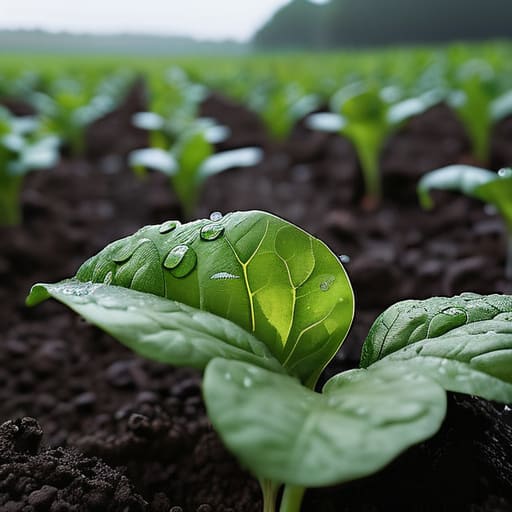
I’ve spent enough time in school kitchens to know that by the time a contaminated batch of spinach reaches a child’s tray, the battle is already lost. We spend so much time talking about sanitising prep surfaces that we forget where the threat actually starts. If the farm supplying your produce isn’t treating livestock manure management as a non-negotiable priority, your kitchen’s cleaning schedule is just fighting a losing battle. E. coli doesn’t just appear in a salad; it travels from the field to the fork via poor agricultural practices.
The real danger lies in the invisible links—specifically how runoff from manure piles can compromise irrigation water safety. If that water is used to spray crops, you’re essentially dosing your vegetables with pathogens before they even leave the farm. You can have the most rigorous vegetable washing protocols in the world, but if the initial contamination level is high because of poor field management, you’re playing a dangerous game of catch-up. We need to stop looking at food safety as something that only happens behind a stainless steel counter and start acknowledging that the control begins in the soil.
The Unglamorous Truth About Irrigation Water Safety
If you think the battle against E. coli is won or lost solely in the kitchen, you’re missing half the story. A lot of the risk is actually sitting out in the fields, long before a single vegetable hits your prep table. We talk a lot about hygiene in schools, but irrigation water safety is the silent variable that can bypass even your best cleaning protocols. If the water used to hydrate crops is contaminated—perhaps from runoff following a heavy rain or a poorly managed drainage system—you aren’t just growing food; you’re growing a problem.
I’ve seen cases where the produce looks pristine, yet it’s carrying a heavy bacterial load because the water source was compromised. This is where agricultural contamination mitigation becomes vital. You can have the most rigorous vegetable washing protocols in the world, but if the initial load from the field is massive, you are constantly playing a game of catch-up. It’s not about being paranoid; it’s about understanding that your safety chain starts at the root, not just at the sink.
Five ways to keep E. coli out of your kitchen when the pressure is on
- Stop treating cross-contamination like a theoretical risk. It’s a practical reality. If your team is using the same colour-coded board for raw beef and then prepping salad five minutes later because they’re “in a rush,” you’ve already lost the battle. It isn’t about having the fanciest equipment; it’s about the discipline of the sequence.
- Temperature isn’t a suggestion; it’s your only real shield. I’ve seen too many logs that look “perfect” because someone filled them all in at 3:00 PM. If you aren’t checking your fridge temperatures at the start of the shift and again after the midday rush, you aren’t managing risk, you’re just ticking boxes.
- Watch your hands, but don’t just watch the washing. I don’t care how much soap you have if the staff are rushing through a ten-second scrub between tasks. It needs to be a deliberate pause, especially after handling raw meat or touching bin lids. If they don’t have time to wash properly, they shouldn’t be touching food.
- Keep your “high-risk” zones small and controlled. If you’re serving four hundred kids, you cannot have raw meat prep happening in the same physical space where the final plating occurs. Even with different boards, the sheer proximity creates a slip-up waiting to happen. Keep the mess contained.
- Cook it through, every single time. I know it’s tempting to pull a batch of mince out a minute early to keep it juicy, but with E. coli, “juicy” can be dangerous. If the core temperature hasn’t hit the target, it doesn’t go on the plate. Period. No exceptions for “busy periods.”
The reality of keeping E. coli O157 at bay
Stop looking for a magic bullet; E. coli control is won or lost in the boring stuff—like ensuring your suppliers are managing their manure and water correctly before the ingredients even hit your loading bay.
You can’t control the farm, but you can control your kitchen; focus your limited energy on rigorous temperature discipline and ensuring your team understands that cross-contamination isn’t just a concept, it’s a physical reality.
If your paperwork is perfect but your practice is rushed, you’re just ticking boxes while the risk stays high; prioritize the cleaning sequences that actually work when you’re short-staffed over a mountain of useless forms.
Frequently Asked Questions
If the contamination starts at the farm level, what specific checks should I be looking for when my suppliers deliver the produce?
You can’t control how the farmer manages their soil, but you can control what passes your delivery bay. Don’t just sign the invoice and move on. Check the temperature of any chilled produce immediately—if it’s sitting in a warm van, the safety chain is already broken. Look for bruised or damaged leafy greens; damaged tissue is an open invitation for bacteria to move in. Most importantly, ask for their recent audit summaries. If they can’t produce them, don’t buy from them.
We can’t cook everything to high temperatures without ruining the food; how do we manage the risk with raw or lightly cooked items?
Look, I get it. You can’t blast a delicate salmon or a fresh salad to 75°C without serving something inedible. If you’re serving high-risk items like smoked fish or pre-prepared salads, your safety isn’t in the heat; it’s in the cold chain and the source. You have to be ruthless with your suppliers’ paperwork and even more disciplined with your fridge logs. If the temperature isn’t rock-solid from delivery to plate, don’t serve it.
When we're under pressure during a busy service, which part of the cleaning routine is non-negotiable to stop cross-contamination?
It’s the sequence, not just the scrubbing. When the rush hits and you’re tempted to just wipe a surface with a damp cloth and move on, stop. The non-negotiable is the “clean-as-you-go” separation of high-risk zones. If you’ve just handled raw protein, you don’t just rinse the board; you clear the area, apply the correct chemical, and let it sit. If you skip the contact time because you’re busy, you aren’t cleaning; you’re just moving bacteria around.