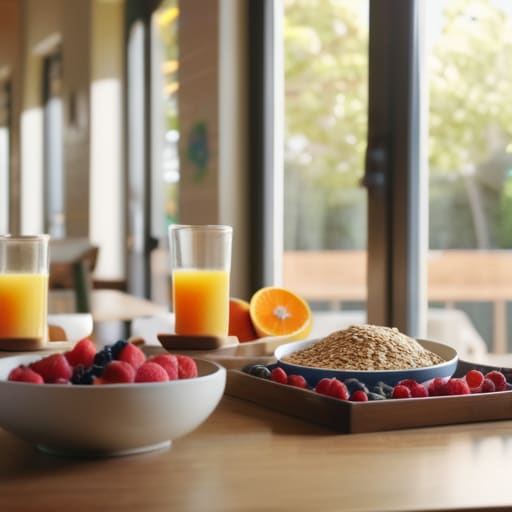
I’ve sat through enough “innovative” teaching seminars to know that most people approach the topic of how food education fits the curriculum by suggesting something wildly expensive, like a bespoke hydroponic lab or a full-time chef-in-residence. It’s all well and good on a glossy brochure, but I’ve spent sixteen years walking into school kitchens where the staff are already running on fumes and a shoestring budget. We don’t need more fluff or expensive gadgets that sit gathering dust because nobody has the time to maintain them. If we’re going to talk about integrating food into the school day, we need to stop treating it like a luxury add-on and start treating it like the essential, practical life skill it actually is.
In this article, I’m not going to give you a lecture on culinary theory or tell you to overhaul your entire timetable. Instead, I’m going to show you how to weave meaningful, low-effort safety and nutrition lessons into the cracks of an already packed schedule. I’ll tell you what actually sticks with a teenager and what is just a waste of a teacher’s precious time. My promise is simple: I will give you the realistic, no-nonsense methods that work in a real kitchen, even when you’re short-staffed and under pressure.
Table of Contents
Integrating Nutrition Into Classroom Learning Without Overwhelming Staff
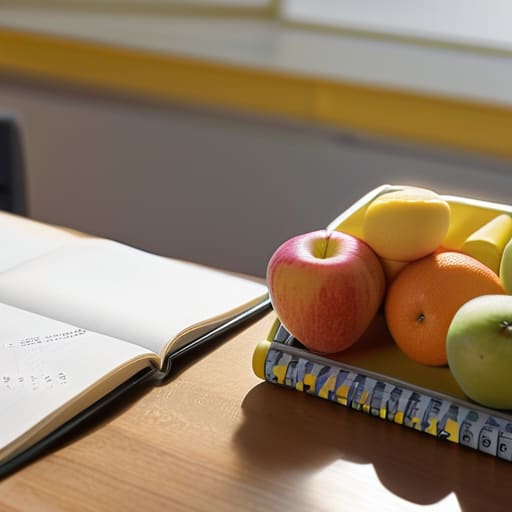
The biggest mistake we make is thinking that integrating nutrition into classroom learning requires a complete overhaul of the timetable or a specialist chef in every room. It doesn’t. If you try to turn a Year 9 maths teacher into a nutritionist overnight, you’ll face immediate, justified resistance. Instead, look for the natural seams. Use a biology lesson to talk about the energy density of different foods, or use a maths unit to calculate the sugar content in a “healthy” breakfast cereal. It’s about practical life skills in schools that don’t feel like an extra burden on an already stretched staff.
We need to stop treating food as a “specialist subject” that only happens in a domestic science room. Real culinary literacy for students happens when they see the connection between what they learn in a textbook and what is actually on their plate at lunchtime. My advice? Don’t aim for perfection; aim for meaningful, small-scale connections. If a teacher can spend ten minutes discussing the provenance of an ingredient or why we refrigerate certain items, that is far more valuable than a theoretical lecture that nobody remembers by the time the bell rings.
Practical Life Skills in Schools Teaching What Actually Matters
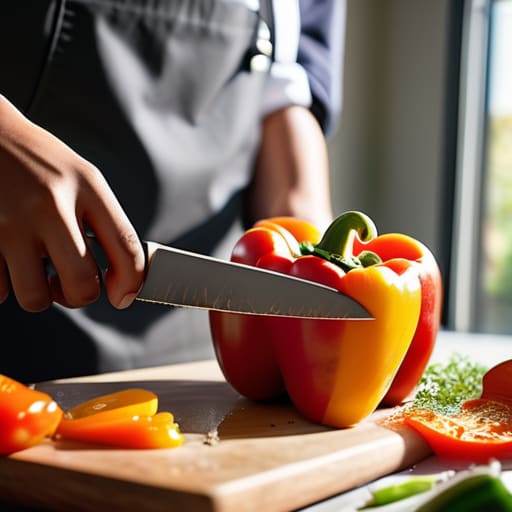
We need to stop pretending that every student needs to master a complex mother sauce to be considered “food literate.” If we want to provide genuine practical life skills in schools, we have to focus on the high-stakes, everyday stuff. I’m talking about the ability to read a label and actually understand what a “may contain” warning means, or knowing why you don’t use the same cutting board for raw chicken and salad greens. That isn’t high-concept culinary art; it’s basic survival.
When we talk about culinary literacy for students, we should be prioritising the skills that prevent a trip to the A&E. I’ve seen far too many teenagers who can follow a TikTok recipe to the letter but have no idea how to check if meat is actually cooked through or how to store leftovers safely. If we can only carve out twenty minutes a week, don’t waste them on decorative plating. Teach them the boring, repetitive habits—like temperature discipline and cross-contamination awareness—that actually keep them and their families safe in a real-world kitchen.
Five ways to stop food education from becoming just another box to tick
- Stop trying to teach “culinary arts” and start teaching “kitchen literacy.” You don’t need a chef; you need kids who can read a label for allergens and understand that a thermometer isn’t optional. That fits into science or maths far more easily than a standalone cooking lesson.
- Use the existing timetable to bake in food safety. If you’re doing a biology lesson on bacteria, don’t just look at diagrams; talk about why we don’t leave the milk out on the counter during lunch service. It makes the theory real and the practical useful.
- Link nutrition to the budget, not just the calorie count. Teaching kids that a bag of lentils is cheaper and more nutritious than a processed snack isn’t just a health lesson—it’s a life skill that works with the reality of most family budgets.
- Make cleaning part of the “science” of the classroom. If students are handling anything, they need to understand the sequence of cleaning—from prep to waste. It’s not “tidying up”; it’s a procedural control that prevents cross-contamination.
- Focus on the “boring” stuff that actually saves lives. Forget fancy plating; teach them the discipline of temperature control and hand hygiene. If they can master those two things, they’ve learned more about food safety than any gourmet cooking class could ever offer.
The Bottom Line: What to Prioritise When Time is Short
Stop trying to turn every lesson into a nutrition seminar; focus instead on the high-impact, boring basics like reading a label correctly or understanding why we don’t use the same board for chicken and salad.
Integrate food safety into existing subjects rather than adding it as a new burden—use maths for scaling recipes or science to explain why temperature control isn’t just a suggestion, it’s a necessity.
Aim for sustainable habits over perfection; it is better for a student to master one reliable kitchen habit they can actually repeat than to memorise a complex theory they will forget by the time they reach the canteen.
Frequently Asked Questions
How do I actually fit this into a busy timetable without it feeling like just another box-ticking exercise for teachers?
Stop trying to carve out a dedicated “Food Safety Hour.” It doesn’t exist, and teachers will resent it. Instead, weave it into what’s already happening. If they’re doing a science lesson on bacteria, talk about why we don’t use the same board for raw chicken and salad. If it’s maths, calculate the cost of food waste. Don’t make it a separate subject; make it the common sense layer that sits on top of everything else.
If we start teaching food skills in the classroom, how do we make sure the kids aren't just unlearning everything the moment they step into the school canteen?
You bridge that gap by making the canteen the “practical exam.” If they learn about cross-contamination in a classroom, don’t let them walk into lunchroom with a tray of allergens and zero awareness. We need to treat the canteen staff as part of the teaching team, not just service providers. When the kids see the same hygiene standards in the dining hall that they discussed in Year 6, the lesson actually sticks.
What is the bare minimum we need to cover to ensure safety and nutrition without needing a full-scale professional kitchen on site?
You don’t need a professional range to teach the basics. Focus on the “Big Three”: cross-contamination, temperature control, and label reading. If a student can identify a common allergen on a packet and knows not to use the same knife for raw chicken and salad, they’ve learned more than any gourmet cooking class could offer. Keep it to small appliances—kettles, microwaves, or single induction hobs—and focus on the hygiene habits that actually prevent an outbreak.