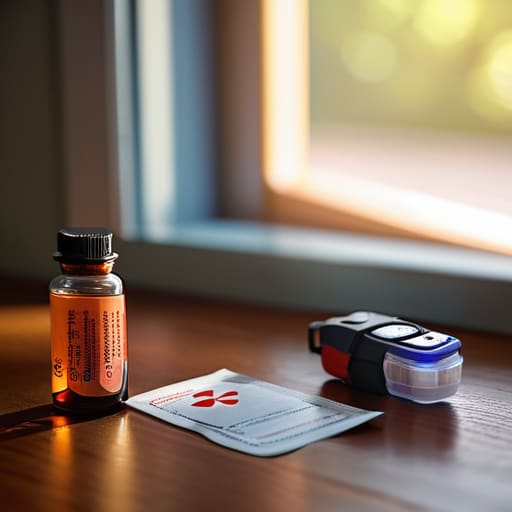
I’ve sat in enough staff rooms to know that when someone mentions a “complete guide to anaphylaxis preparedness,” most people immediately picture a thick, laminated binder gathering dust on a high shelf. We’ve been sold this idea that safety comes from massive, expensive training seminars and twenty-page policy documents that no one—not even the head chef—has the time to actually read. But I’ve seen what happens when the lunch rush hits and the kitchen is screaming; a binder won’t save a child, and a complex flowchart won’t stop a reaction. Real safety isn’t about paperwork; it’s about the split-second decisions made when the pressure is on.
I am not here to give you more bureaucracy to manage. Instead, I’m going to show you how to build a system of controls that actually work when you’re short-staffed and running behind schedule. We are going to focus on the small, boring, and repeatable actions—like cross-contamination checkpoints and clear communication lines—that actually prevent the crisis from happening in the first place. This is a practical roadmap for what you can realistically sustain in a busy kitchen, without losing your mind.
Table of Contents
Recognizing Anaphylaxis Symptoms Before the Chaos Starts

When I’m standing in a school kitchen during the mid-day rush, I’m not looking for a textbook definition of a reaction; I’m looking for the staff member who notices the subtle shift. Anaphylaxis doesn’t always look like a dramatic collapse. Often, it starts with something much more quiet and easy to miss—a child suddenly becoming restless, a slight change in their voice, or a persistent cough that doesn’t seem to go away. Recognizing anaphylaxis symptoms early is less about medical expertise and more about knowing your specific students. If a child who is usually chatty suddenly goes quiet or looks “off,” that is your cue to move.
You cannot wait for the skin to break out in hives or for breathing to become labored before you act. By the time the symptoms are obvious to everyone in the dining hall, the window for a calm response has already closed. Your team needs to understand that speed is the only thing that matters once a reaction is suspected. This means having a clear, practiced food allergy emergency response that bypasses the “wait and see” mentality. If you suspect a reaction, you don’t debate it; you follow the protocol.
Building a Sustainable Emergency Action Plan for Allergies
If you try to write a fifty-page emergency manual, it will end up in a binder at the bottom of a drawer, gathering dust while the kitchen is mid-service. That is not an emergency action plan for allergies; that is a paperweight. In a busy school kitchen, your plan needs to be something a tired staff member can recall while they are simultaneously managing a tray of hot pasta and a ringing phone. I always tell my teams: if your plan requires more than three clear, physical steps, it will fail when the adrenaline hits.
Practicality means knowing exactly where the kit is and who is responsible for grabbing it. It’s about making sure the person on the line knows that epinephrine auto-injector administration isn’t something to be terrified of—it’s a tool that saves lives. Don’t just tell them it exists; make sure they know exactly which cupboard it sits in and that they have permission to use it without waiting for a manager to sign off. A sustainable response is one that is muscle memory, not a memory test.
Five Practical Controls for When the Lunch Rush Hits
- Stop relying on memory; if your allergen matrix isn’t taped to the prep station at eye level, it doesn’t exist.
- Make sure your “allergy-safe” prep isn’t happening on a board that was just used for sourdough, no matter how fast the scrub was.
- Test your emergency kit once a month—not just to check the expiry dates, but to make sure the person in charge actually knows how to use the device without reading a manual.
- Create a “hard stop” rule where if a chef is unsure about an ingredient change, the meal doesn’t leave the kitchen until a supervisor confirms it.
- Designate one person per shift as the “allergy lead” so there’s no standing around debating who is responsible when a child starts wheezing.
The Three Things That Actually Save Lives
Stop relying on massive allergy binders that gather dust; instead, ensure every single person on the line can point to exactly where the emergency kit is kept without having to ask.
A plan is useless if it’s too complex to follow during a rush, so strip your protocols down to the bare essentials that a tired, stressed staff member can execute perfectly.
Don’t just train people once a year for compliance; do the “boring” work of checking that your communication between the front-of-house and the kitchen actually works when the lunch service is at its peak.
Frequently Asked Questions
We’ve got a massive staff turnover every term; how do I make sure the new person on the midday shift actually knows the plan without me standing over them?
Stop relying on a thick binder tucked in a cupboard; if they have to hunt for it during an emergency, you’ve already lost. You need “visual redundancy.” Put a single, laminated sheet—no more than five bullet points—right where they prep or serve. Use photos of the actual EpiPen location and the specific student’s photo if they have a known allergy. If they can’t recite the plan in thirty seconds, they aren’t ready.
If I’m running a kitchen with only two people on duty, how do I realistically manage a potential allergic reaction without leaving the rest of the service completely unsafe?
If you’ve only got two people, you cannot afford a “hero” moment where one person disappears to help a child and the other is left alone with a hundred hot trays. You need a designated “Safety Lead” for that shift. When an incident hits, the second person stops service immediately. They don’t just “help”—they take total control of the floor so the first person can focus entirely on the child and the emergency protocols.
My paperwork is already a mountain—is there a way to document our allergen checks that actually proves we're safe rather than just giving me more admin to do?
Look, I’m not here to help you build a paper fortress that collapses the moment you get busy. If your documentation is a mountain, you’re doing it wrong. Stop trying to record every single ingredient movement and start documenting the critical junctions: the changeover between allergen-free prep and the main line, and the verification of the daily spec. One clear, signed sheet per service that proves you checked the labels against the menu is worth more than a hundred pages of fluff.