I’ve spent sixteen years walking into kitchens where the air is thick with the smell of industrial degreaser and the frantic energy of a lunch service about to hit the fan. I’ve seen managers clutching a hundred-page binder like it’s a holy relic, only to realize the binder has absolutely nothing to do with the fact that their chicken is sitting in the danger zone. Most people will try to sell you a complete guide to HACCP that looks like a legal textbook—dense, intimidating, and utterly useless when you’re three staff members short and the oven has just gone down. They want you to believe that safety is about how much paperwork you can stack on a desk, but I know better.
I’m not here to give you a lecture on theoretical compliance that falls apart the moment a delivery arrives late. My promise is simpler: I’m going to show you how to build a system that actually works when the heat is on. We are going to strip away the fluff and focus on the critical control points that truly reduce risk in a real-world kitchen. This isn’t about ticking boxes to please an inspector; it’s about creating a sustainable rhythm that keeps your food safe and your team sane.
Table of Contents
Mastering Haccp Principles and Steps Without the Paperwork Fatigue
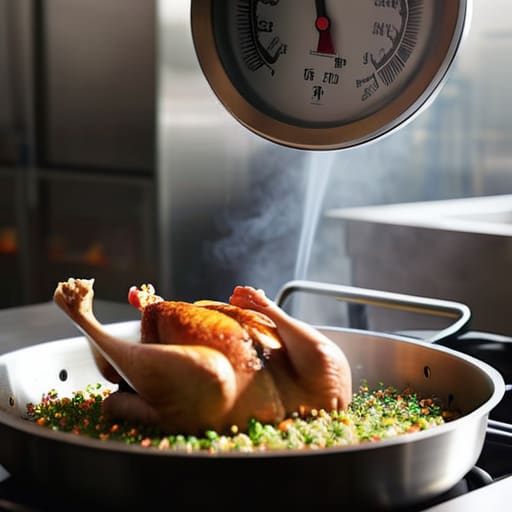
Look, I know the phrase “HACCP principles and steps” sounds like a headache waiting to happen, especially when you’ve got a delivery arriving, a lunch service starting in twenty minutes, and a staff member calling in sick. But here is the truth: HACCP isn’t about creating a mountain of forms to satisfy an auditor; it is about identifying where your kitchen is actually vulnerable. Instead of trying to document every single movement, focus your energy on your critical control points implementation. If you are serving chicken, the most vital step isn’t the way you chop the parsley; it’s ensuring that bird hits 75°C. That is your real line in the sand.
Once you have identified those high-risk moments—the places where biological and chemical hazards are most likely to creep in—you need a plan for when things inevitably go wrong. This is where most people fail. They set a rule, it breaks, and then they ignore it because they’re too busy. You don’t need a complex manual for corrective actions in food safety; you just need a clear, practiced response. If the fridge is at 10°C, the “action” isn’t just writing it down—it’s moving the food and calling the engineer. Keep your controls simple enough that a tired teenager on their first week can follow them without thinking.
Identifying Biological and Chemical Hazards Before They Become Incidents
When I walk into a kitchen, I’m not just looking for dirt; I’m looking for the invisible stuff. Most people think of hazards as a puddle on the floor, but the real danger is the stuff you can’t see. Biological and chemical hazards are the quietest threats in your kitchen. I’ve seen more incidents caused by a misplaced bottle of degreaser near a prep station or a cooling tray left out too long than by anything else. You aren’t just fighting bacteria; you are fighting the habit of being careless when the lunch rush hits.
Identifying these risks isn’t about memorizing a textbook; it’s about knowing where your specific “danger zones” live. If you are working with high-risk proteins or allergens, your critical control points implementation needs to be laser-focused on those specific moments. Don’t try to monitor every single grain of salt. Instead, identify the exact point where a temperature drop or a cross-contamination risk becomes irreversible. If you can’t spot the hazard before it hits the plate, your paperwork won’t save you when the inspector—or a parent—knocks on the door.
Five Ways to Make HACCP Work When You’re Short-Staffed
- Stop chasing perfection and start chasing consistency. I’ve seen kitchens with beautiful, laminated HACCP folders that are completely disconnected from what’s actually happening on the line. It is better to have three temperature checks that are done accurately every single day than twenty checks that are “guessed” at the end of a shift just to satisfy a binder.
- Focus your Critical Control Points (CCPs) on the high-stakes moments. You don’t need a CCP for every single movement in the kitchen. Focus your energy where the risk is highest—usually at the point of cooking, cooling, and reheating. If you get those three right, you’ve already mitigated the vast majority of your danger.
- Make your monitoring easy enough for a tired person to do at 11:30 AM. If your temperature logs require a PhD and ten minutes of writing, they won’t get done when the lunch rush hits. Use simple, clear sheets or digital tools that allow a staff member to record a number and move on without breaking their flow.
- Build “Correction” into your training, not just your paperwork. A HACCP plan isn’t just about spotting a problem; it’s about knowing exactly what to do when it happens. If the fridge is at 8°C, the staff shouldn’t just write it down and walk away; they need to know whether to move the food, call maintenance, or call me.
- Review your plan based on reality, not the manual. If you find that a specific step in your HACCP plan is being skipped every single day, don’t just tell staff to “do better.” Ask yourself why it’s failing. Usually, it’s because the process is poorly designed for a real-world kitchen. Fix the process, and the compliance will follow.
The Bottom Line: What Actually Matters When the Lunch Rush Hits
Stop chasing perfection in your paperwork; focus your energy on the critical control points that actually prevent illness, like temperature discipline and allergen separation.
A HACCP plan is a living tool, not a dusty binder—if a procedure is too complicated for your staff to follow during a busy service, it isn’t a safety measure, it’s a liability.
Real food safety happens in the small, boring habits, like checking the fridge log before you even open the door, rather than in the massive, theoretical protocols that no one has time to implement.
Frequently Asked Questions
I’ve got a decent HACCP plan on paper, but how do I know if my team is actually following it when I’m not standing right there?
If your plan only lives in a ring binder, it’s not a plan; it’s a wish list. I don’t look at the logs first—I look at the hands and the surfaces. Are the colour-coded boards actually being used, or are they just sitting in the sink? Check the “why” behind the “what.” If a staff member can’t tell you why they’re recording a specific temperature, they aren’t following the plan; they’re just ticking a box.
We are constantly short-staffed; which parts of the HACCP process are non-negotiable and which ones can I simplify without compromising safety?
Look, I get it. You’re down two prep cooks and the lunch rush is twenty minutes away. You cannot do everything, so stop trying. The non-negotiables are temperature control and allergen management—those are your lifeblood. If you can’t log every single thing, focus your energy on the critical control points where a mistake actually kills someone. Simplify your paperwork, but never simplify your thermometer or your cross-contamination barriers. Keep the core, cut the fluff.
How do I move away from just "filling in the blanks" on a sheet to actually using my HACCP data to spot problems before they happen?
Stop treating your logs like a chore to be finished before the manager walks in. If you’re just “filling in the blanks,” you aren’t managing risk; you’re just practicing calligraphy. Look for the patterns. If your fridge temperature is creeping up by half a degree every Tuesday, don’t just write it down and move on—that’s a failing seal or a door being left ajar during prep. Use the data to fix the trend, not just the entry.