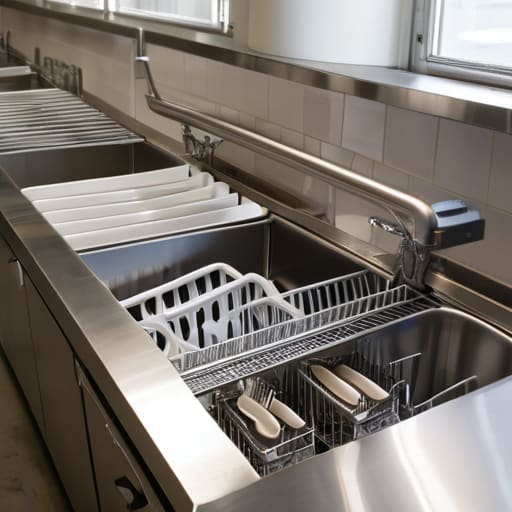
I remember standing in a school kitchen during a Tuesday lunch rush, trying to confirm a dietary requirement for a child with a severe nut allergy, only to realize I couldn’t hear the prep cook over the roar of the industrial dishwasher and the sheer volume of the service team. It wasn’t just a headache; it was a safety hazard. Most consultants will try to sell you on expensive acoustic tiling or high-tech soundproofing, but if you’re running a tight ship on a budget, that’s just money thrown down the drain. Realistically, learning how to manage kitchen noise isn’t about making the room silent; it’s about making sure the right sounds actually reach your ears when they matter most.
I’m not here to give you a list of architectural upgrades you can’t afford. Instead, I’m going to show you how to audit your environment and your workflows to reduce the unnecessary chaos. We’ll look at practical, low-cost ways to control the din—from the placement of your heavy machinery to the way you communicate during a rush—so you can focus on the food, not the shouting. My promise is simple: I will give you sensible, sustainable controls that work in a real, busy kitchen, not a showroom.
Table of Contents
Minimizing Kitchen Background Noise for Better Communication
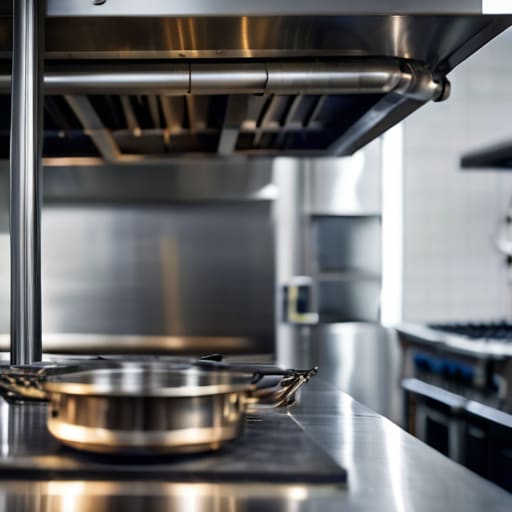
You aren’t going to find a solution that turns a commercial kitchen into a library, and anyone promising you “total silence” is selling you something. My focus isn’t on peace and quiet; it’s on making sure that when a chef shouts “Allergy—Peanuts!” or “Hot surface!”, the person at the pass actually hears them. Most of the chaos comes from that constant, low-frequency hum that sits under everything else. If you want to start making a dent in the volume, look at your heavy hitters first. Reducing kitchen decibel levels often starts with the mechanical stuff you tend to ignore—the walk-in compressors or the aging extraction units that rattle like they’re about to shake themselves off the wall.
If you are in a position to upgrade, look into soundproofing kitchen appliances or choosing models specifically rated for lower noise output. It’s an upfront cost, I know, but it’s a massive win for long-term mental fatigue. Even something as simple as checking that your extractor hoods are properly balanced can stop that bone-deep vibration that makes everyone’s voices go up an octave just to be heard. We aren’t looking for silence; we are looking for clarity in the communication chain.
Kitchen Noise Mitigation Strategies That Actually Work Under Pressure
Look, I’ve stood in service windows where the roar of the extraction system is so loud you might as well be communicating via semaphore. You can’t just tell a crew to “be quiet” when the equipment is fighting them. If you are looking for long-term kitchen noise mitigation strategies, you have to stop treating the noise as a behavioral issue and start treating it as an engineering one. This means looking at your heavy hitters—the dishwashers and the walk-in compressors. If you have the budget, investing in soundproofing kitchen appliances or even just ensuring they are properly leveled and mounted can stop that low-frequency vibration that rattles everyone’s teeth and makes verbal instructions impossible.
When you are mid-rush, you don’t need a lecture on acoustics; you need things that work. I always tell managers that reducing kitchen decibel levels isn’t about achieving a library atmosphere; it’s about ensuring that when someone shouts “Behind!” or “Hot tray!”, it actually cuts through the din. If your layout forces the prep team to work directly under a screaming extractor, you’ve already lost the battle. Prioritize the placement of high-decibel machinery away from the main communication arteries of the kitchen, and you’ll find the chaos settles significantly.
Five Ways to Lower the Decibels Without Slowing Down the Service
- Audit your extractor fans before you blame the staff. If that motor is screaming because it hasn’t been cleaned or serviced in two years, no amount of “quiet communication” will fix the fact that your team is shouting just to be heard over the suction.
- Stop the “shout-and-respond” habit. I’ve seen too many kitchens where the culture is built on yelling orders across the pass; it creates a feedback loop of noise. If you can’t see them, use a physical signal or a clear, single-word confirmation system so you aren’t competing with the dishwasher.
- Manage the “clatter” by being realistic about your kit. You don’t need expensive acoustic panels, but if you’re slamming heavy stainless steel lids onto pots every time you move, you’re adding to the baseline roar. A few silicone mats or just a bit of mindful handling goes a long way in a small, echoing space.
- Schedule your high-noise tasks for the gaps. If the heavy prep—the chopping, the grinding, the heavy lifting—happens at the same time the ovens are cycling and the service is peaking, you’ve created a wall of sound. Stagger the loudest jobs so they don’t collide with the critical communication windows.
- Listen for the “warning” sounds. The danger of a loud kitchen isn’t just the headache; it’s that people stop hearing the subtle cues. If your team is so used to a constant din that they can’t hear a fridge alarm or a boiling pot starting to hiss, your noise levels aren’t just a nuisance—they’re a safety risk.
What to Carry Out of the Kitchen Today
Stop trying to quiet the room and start managing the volume; focus on stopping the unnecessary shouting that masks the critical sounds, like a fridge alarm or a chef calling out an allergen alert.
Audit your equipment noise during a live service, not a quiet period, to identify which specific mechanical drones are actually making it impossible for your team to hear instructions.
Prioritize acoustic controls that serve a safety function, because if your staff can’t hear a warning over the extractor fans, your communication system has already failed.
Frequently Asked Questions
If I invest in better acoustic panels or sound-dampening equipment, will they actually hold up to the daily chemical wash-down and steam in a high-volume kitchen?
If you buy standard office acoustic foam, you’re throwing money down the drain. It’ll soak up grease, turn into a mouldy sponge, and fall apart the first time you hit it with a chemical spray. You need industrial-grade, non-porous materials—think high-density polyethylene or specialized metal baffles designed for wash-down environments. Don’t overcomplicate it: if it isn’t rated for high humidity and heavy-duty cleaning, it won’t survive a single Tuesday.
How do I balance the need for a quieter environment with the necessity of staff being able to hear emergency alarms or verbal warnings during a rush?
You can’t—and you shouldn’t—try to make a busy kitchen silent. If you dampen the sound too much, you lose the “ear” for a dropped knife or a shouted “behind.” Instead, focus on signal clarity. If your emergency alarms are getting lost in the din of the extractor fans, they aren’t effective. Use visual alerts—strobe lights for alarms—and ensure your verbal warnings are distinct, high-priority commands that cut through the baseline hum.
At what point does a noisy kitchen stop being a "busy atmosphere" and start becoming a genuine safety risk for errors in allergen communication or temperature logging?
It stops being “atmosphere” the moment you can’t hear a colleague’s warning over the extractor fan. If a chef has to shout to tell someone a dish contains walnuts, or if a junior staffer misses the beep of a probe alarm because the prep room is a roar of clattering pans, you’ve crossed the line. When noise prevents clear, calm communication about high-risk items, it isn’t just loud—it’s a failure of control.