
I remember standing in a school kitchen three years ago, the air thick with the smell of overcooked gravy and the frantic clatter of a lunchtime rush. The head cook was staring at a broken fridge thermometer, looking less like a professional and more like someone waiting for a death sentence. She knew something was wrong, but she was terrified that knowing how to report a food safety incident would mean a mountain of paperwork and a lecture from the board. That’s the problem: most training manuals make reporting feel like an admission of guilt rather than a tool for survival.
I’m not here to give you a lecture on corporate compliance or a twenty-page manual that no one has the time to read while they’re plating up four hundred meals. Instead, I’m going to show you how to handle a slip-up without losing your mind or your job. We are going to focus on the practical, messy reality of what actually needs to be written down and who needs to hear it, so you can fix the gap before it becomes a crisis.
Table of Contents
The Essential Foodborne Illness Reporting Procedure
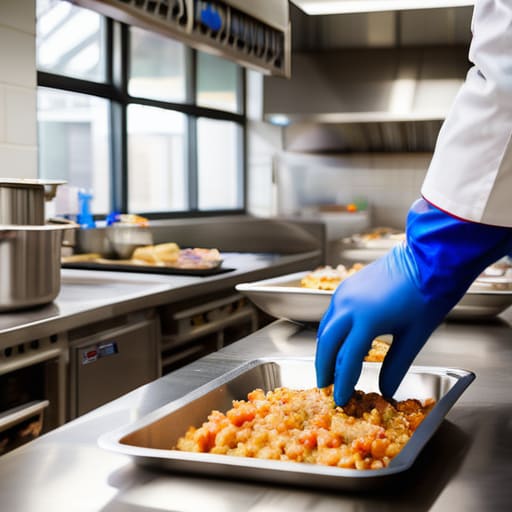
When something goes wrong—and let’s be honest, in a busy school kitchen, something eventually will—the instinct is often to hide it. You’re short-staffed, the lunch rush is looming, and the last thing you want is a mountain of paperwork or a visit from me. But silence is where the real danger lives. A proper foodborne illness reporting procedure isn’t about getting someone in trouble; it’s about tracing the source before the next batch of meals goes out. If a staff member or a student starts reporting symptoms, you need to move from “management mode” into “investigation mode” immediately.
First, you need to isolate the suspected batch. If you can’t identify the exact tray, hold back the remaining portions of that specific menu item. This is a critical part of your food contamination notification steps. Once the immediate risk is contained, document everything: what was served, who ate it, and when the symptoms started. Don’t wait for a formal complaint to start your internal log. If you suspect a widespread issue, contacting your local health department isn’t an admission of failure—it’s the only way to ensure you’re following the right protocols to protect the kids in your care.
Emergency Food Safety Protocols for Overwhelmed Kitchens
Look, I know the reality. It’s 12:15 PM, you’re down two staff members, the lunch service is halfway through, and suddenly you realize a batch of chicken was left in the danger zone for far too long. In that moment, your brain goes into survival mode, and “procedure” is the last thing on your mind. But this is exactly when you need emergency food safety protocols that don’t require a manual. You don’t need a complex flowchart; you need a “stop and assess” rule. If you suspect a breach, stop the line for that specific item immediately. Do not try to “fix” it by reheating it or serving it with a warning. If the risk is real, the product is dead.
When things go south, your priority shifts from service to containment. This means following your food contamination notification steps with clinical precision: isolate the batch, label it “DO NOT USE,” and move it to a secure area so it isn’t accidentally grabbed by a busy prep cook. If you are dealing with a confirmed case of illness, don’t wait for the lunch rush to end to start the paperwork. Decide early whether you need to be contacting the local health department. I’ve seen too many managers try to “wait and see” if more kids get sick, and by then, the window to prevent a wider outbreak has slammed shut.
Five Rules for When Things Actually Go Wrong
- Stop the clock and save the evidence. If someone reports they’ve felt ill, or you find a batch of chicken that smells “off,” don’t just bin it. Bag it, label it, and get it into the fridge immediately. If an inspector—or a parent—comes knocking, “we threw it away” is the worst possible answer you can give.
- Write it down while your hands are still shaking. When a kitchen is in crisis mode, your memory is your enemy. Grab a pen and a scrap of paper and record exactly what happened, what time it was, and which batch of food was involved. You can make the formal paperwork pretty later; right now, you just need the raw facts.
- Don’t play the blame game in the middle of the shift. I’ve seen too many kitchens descend into chaos because a staff member tried to hide a mistake to avoid getting shouted at. Make it clear to your team: I don’t care who dropped the temperature probe, I care that we know it happened so we can stop it from happening again.
- Trace the “who” and the “what” immediately. If you’re reporting a potential allergen cross-contamination, don’t just look at the plate. Look at the prep station, the utensils, and the delivery note. Your report needs to show that you’ve looked at the whole chain, not just the single point of failure.
- Tell the person in charge, even if it’s bad news. There is a temptation to “fix it quietly” when you’re short-staffed, but a quiet fix is how small errors turn into school-wide outbreaks. If it’s a breach of protocol, it needs to be logged and escalated. Transparency is the only thing that protects your job in the long run.
The Bottom Line: What Actually Matters When Things Go Wrong
Don’t wait for the perfect moment to document; if you spot a deviation or a potential illness, write it down immediately while the details are still fresh, even if you’re mid-service.
Prioritise the “why” over the “what”—when reporting an incident, don’t just say what happened, explain the gap in your process so we can fix the root cause instead of just patching a symptom.
Communication is your best safety net; ensure your team knows exactly who to tell the moment they suspect something is off, so the responsibility doesn’t sit solely on one person’s shoulders during a rush.
Frequently Asked Questions
If I’m the one who discovers the mistake, am I going to be the one getting in trouble when I report it?
Look, I’ve seen this play out a hundred times. You find a batch of chicken that’s been sitting out too long, and you freeze. You think, “If I say something, I’m the one who caused the problem.”
What do I actually do if the person I'm supposed to report to is the one who caused the problem?
This is where it gets uncomfortable, but listen to me: your professional responsibility doesn’t stop just because your manager is the problem. If they’ve bypassed a critical control—like ignoring a temperature spike or mislabeling an allergen—and refuse to fix it, you go up the chain. Contact the headteacher, the board, or the designated safeguarding lead. It feels like betrayal, but in my experience, “protecting” a manager’s mistake is how children end up in A&E.
How much detail do I really need to write down when we're in the middle of a lunch service and everything is going wrong?
Look, I know the feeling. You’re mid-service, the oven is acting up, and someone’s just realised the chicken might be underdone. You don’t need a novel; you need the “Who, What, and When.” Write down exactly what happened, what batch it was, and the time you noticed it. Don’t worry about perfect prose—just grab a pen and get the raw facts down before the memory fades. We can fix the paperwork later; we can’t fix a forgotten detail.