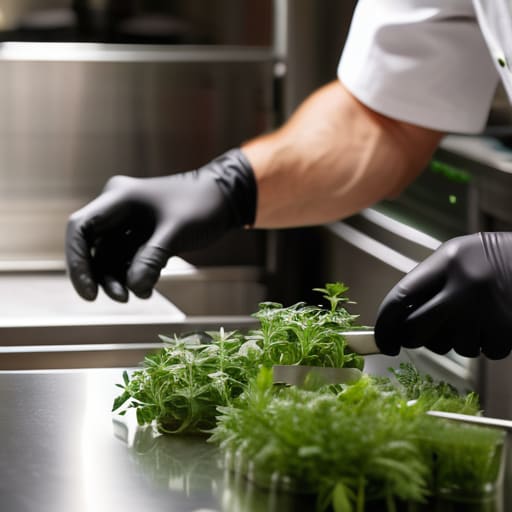
I’ve spent sixteen years walking into kitchens where the air is thick with the smell of industrial degreaser and the frantic energy of a lunch service that’s already ten minutes behind. I remember one Tuesday in a secondary school kitchen, standing there with my clipboard while a cook—who was clearly exhausted and working solo—tried to explain why they hadn’t changed their apron after handling raw poultry. It wasn’t because they were lazy; it was because the system they were given was impossible. Most of the training manuals you buy tell you that personal hygiene is about expensive touchless taps and pristine, color-coded uniforms, but they completely ignore the reality of how personal hygiene rules apply in kitchens when you’re running on caffeine and sheer willpower.
I’m not here to give you a lecture on perfection or to demand a budget you don’t have. My goal is to show you which habits are actually non-negotiable and which ones are just performative box-ticking. I want to talk about the small, gritty details—like the transition from prep to plating—that actually prevent an outbreak when things get chaotic. Tell me what your staffing levels look like, and I will tell you which hygiene controls you can realistically sustain without breaking your team.
Table of Contents
Handwashing Techniques for Cooks That Actually Stick
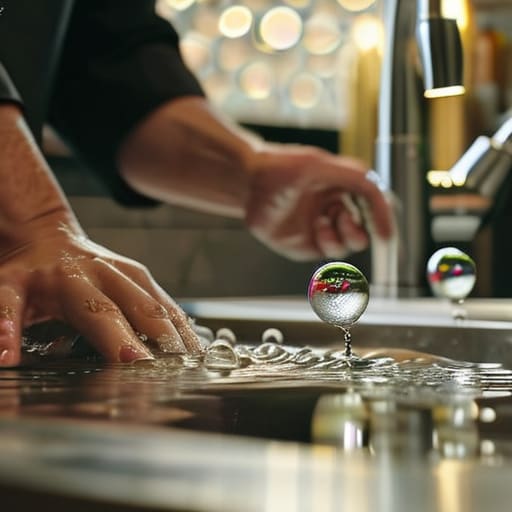
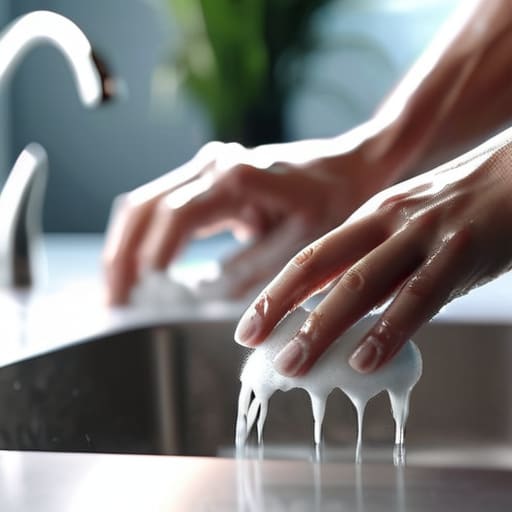
I’ve seen enough “clean” hands in my career to know that a quick, half-hearted splash of water over a sink doesn’t count. When you’re in the weeds and the lunch rush is hitting, the temptation to just rinse and go is massive. But if you aren’t actually scrubbing the backs of your hands and between your fingers, you aren’t following food safety protocols for staff; you’re just making the sink wet. It’s not about being precious; it’s about the fact that bacteria doesn’t care how busy you are.
The trick to making these handwashing techniques for cooks actually stick is to tie them to specific transitions rather than a vague idea of “being clean.” Don’t just tell your team to wash “often.” Tell them they wash every single time they move from raw poultry to prep work, or the moment they touch their face or a phone. If you make it a rule that the handwash is the mandatory bridge between tasks, you stop the spread of pathogens before they even have a chance to become a problem.
Professional Kitchen Grooming Standards You Can Sustain
Let’s be honest: I am not going to walk into your kitchen and demand every staff member looks like they’ve stepped out of a high-end hotel catalogue. If you’re running a school kitchen on a budget, you don’t have time for perfection, but you do have time for the basics that stop a child from getting sick. When I talk about professional kitchen grooming standards, I’m not talking about aesthetics; I’m talking about risk management.
The biggest headache I see isn’t unpolished shoes—it’s jewelry and loose hair. A wedding ring with a stone or a heavy watch isn’t just a fashion choice; it’s a trap for bacteria and a primary culprit in preventing physical contaminants in food. If a piece of costume jewelry falls into a vat of gravy, you aren’t just looking at a complaint; you’re looking at a potential investigation. Keep it minimal, keep it clean, and if they have long hair, get it tied back securely. It’s a small, boring rule, but it’s one of the easiest ways to keep your kitchen running without an unnecessary crisis.
Five Non-Negotiables for When the Rush Hits
- Stop treating handwashing as a ‘when I have a minute’ task. If you’re moving from prep to plating, or even just switching from handling a crate of veg to touching a clean towel, you wash. It’s not about being fancy; it’s about stopping the cross-contamination before it starts.
- Watch your “contact points.” I’ve seen more bacteria spread by a communal spice jar or a shared phone than by the food itself. If you’re touching something that isn’t food or a utensil, your hands need to go back to the sink.
- Manage your hair and accessories with common sense, not just compliance. I don’t care if you have a stylish bun, but if a stray strand is hanging loose near a prep station, it’s a risk. Keep it tied back and keep the jewellery to a minimum—rings are just little traps for bacteria.
- The “clean apron” rule is your best friend. If you’ve spent the last hour butchering poultry and then you put that same apron on to plate up the salad, you’ve just bypassed every safety protocol in the book. Change it, or at the very least, wipe it down if you’re in a pinch.
- If you’re feeling under the weather, stay home. I know the staffing levels are a nightmare and the manager will moan, but one person with a stomach bug can shut down a school kitchen for a week. It is better to be short-staffed than to be the reason forty children end up in A&E.
The Bottom Line: What Matters When the Rush Hits
Forget the textbook perfection; focus on the high-risk transitions. If you can only manage one thing, make sure it is a rigorous handwashing routine every single time a staff member moves from raw prep to ready-to-eat service.
Grooming isn’t about looking pretty for an inspector; it’s about practical containment. Keep hair tied back and nails short not because it’s a rule, but because a stray hair or a chipped nail is a physical contaminant you don’t need in a child’s meal.
Don’t try to police every minor detail if you’re short-staffed. Pick the three non-negotiables—clean hands, clean aprons, and no jewellery—and make sure those are sustained every single day, rather than doing everything poorly.
Frequently Asked Questions
How do I handle handwashing protocols when my staff is constantly moving between the prep area and the service hatch during a lunch rush?
The lunch rush is exactly when things fall apart, and that’s when the “I’ll do it in a minute” mentality becomes dangerous. You can’t stop the flow, so don’t try to make them wash every single time they touch a plate. Instead, designate a “transition point.” If they’re moving from prep to service, they must hit the sink before they touch the service hatch. It’s one extra thirty-second stop that prevents a massive cross-contamination headache later.
If we are working with limited budget and space, which pieces of personal protective equipment are non-negotiable and which are just "nice to haves"?
If you’re tight on space and cash, stop worrying about fancy branded aprons or those high-tech hairnets. They look nice in a brochure, but they won’t save you. Non-negotiable? Disposable gloves for high-risk tasks (and using them correctly, not as a substitute for washing), and decent, sturdy footwear to stop a slip from becoming a lawsuit. If you can only afford one thing, invest in quality, washable aprons that actually create a barrier.
What’s the best way to manage staff who are technically "clean" but have habits—like touching their face or hair—that break our food safety flow?
It’s not a hygiene failure; it’s a muscle memory failure. You can’t lecture them into perfection, so stop treating it like a disciplinary issue and start treating it like a workflow issue. If they’re touching their faces, they’re likely feeling rushed or overwhelmed. I tell my teams: if you touch your hair, you’re not just “dirty,” you’ve just broken the chain. Re-train the transition, not just the handwash. Make the correction instant, visual, and non-negotiable.