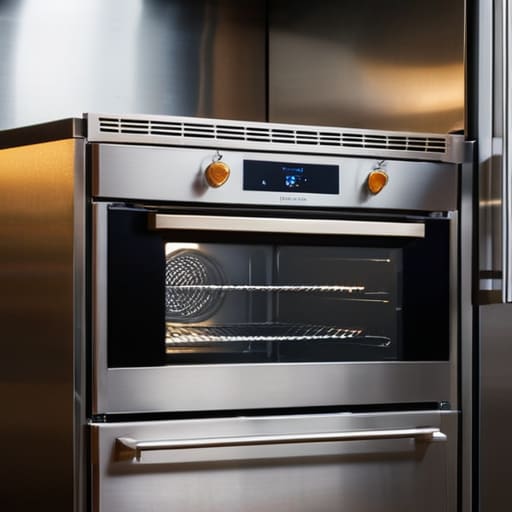
I remember standing in a secondary school kitchen three years ago, watching a chef try to juggle three different pans of roast vegetables while a timer shrieked in the background. It was pure, unadulterated chaos—the kind of frantic multitasking that leads directly to burnt edges and, more importantly, dangerous temperature fluctuations. People love to sell you on the idea that a piece of high-tech kit is a magic wand, but they rarely tell you how combi ovens change production in a way that actually matters for a tired, understaffed team. It isn’t about having a shiny new appliance; it’s about whether that machine actually reduces the margin for human error when you’re thirty minutes behind schedule.
I’m not here to give you a sales pitch or a manual filled with jargon you’ll never use. My goal is to strip away the marketing fluff and talk about the reality of integrating this tech into a high-pressure environment. I’ll show you how to use these ovens to standardize your safety controls and streamline your workflow without adding more “box-ticking” to your already overflowing plate. Let’s look at what actually works when the lunch bell is about to ring.
Table of Contents
- Steam Convection Technology Benefits vs the Reality of High Volume
- Automated Cooking Programmes Efficiency a Shield Against Human Error
- Five Ways to Actually Use a Combi Oven Without Letting It Become a Paperweight
- The Bottom Line: Don't Let the Tech Do the Thinking For You
- Frequently Asked Questions
Steam Convection Technology Benefits vs the Reality of High Volume
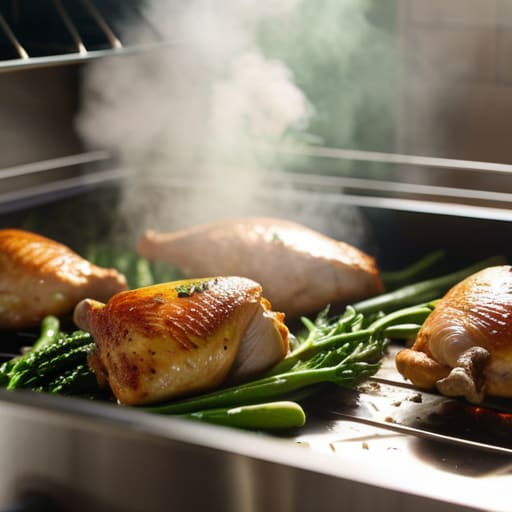
On paper, the steam convection technology benefits look incredible. You’re promised perfectly moist proteins and vegetables that don’t turn into mush, all while hitting those precise core temperatures that keep my inspectors happy. In a high-volume school kitchen, that level of control is a lifesaver. It allows for standardizing culinary output so that the chicken served at 11:30 am is just as safe and consistent as the batch coming out for the late lunch rush.
But here is the reality: a combi oven is a complex piece of machinery, not a set-it-and-forget-it miracle. When you’re trying to feed four hundred children on a shoestring budget, the temptation is to rely entirely on those automated cooking programmes to bridge the kitchen staff skill gap reduction. While they do help, they can also lead to a dangerous sense of complacency. If your team stops checking manual probe temperatures because “the machine said it was done,” you’ve just traded one risk for another. The technology is there to support your workflow, not to replace the fundamental discipline of monitoring what you are actually serving.
Automated Cooking Programmes Efficiency a Shield Against Human Error
The real danger in a school kitchen isn’t usually a lack of talent; it’s the sheer exhaustion of a mid-service rush. When you’re forty minutes behind on a lunch service for three hundred kids, “precision” is the first thing to go out the window. This is where automated cooking programmes efficiency actually matters. It isn’t about being fancy; it’s about the fact that once you’ve programmed a cycle for a specific batch of roast chicken, the machine doesn’t get distracted by a ringing phone or a spilled tray of veg. It holds the line for you.
By leaning on these pre-set programmes, you’re essentially standardizing culinary output across every shift, regardless of who is standing at the controls. I’ve seen too many kitchens struggle because they rely on a single “expert” cook who knows exactly how long the oven needs to run. If that person calls in sick, the quality—and more importantly, the safety—drops. Using these automated settings acts as a massive kitchen staff skill gap reduction tool, ensuring that even a new hire can hit the correct internal temperatures without having to guess.
Five Ways to Actually Use a Combi Oven Without Letting It Become a Paperweight
- Stop treating it like a fancy standard oven. If you aren’t using the humidity controls to prevent your proteins from drying out during a long service, you’re essentially paying for a high-tech box that’s doing half the job. Use the steam to keep things moist, which means less waste and fewer complaints from hungry kids.
- Use the programmed cycles to build a safety net, not a crutch. A programmed program is brilliant for ensuring a chicken breast hits the right core temperature every single time, but I still want to see a probe check. The machine is your first line of defence against a tired cook forgetting a timer, not a replacement for basic temperature discipline.
- Master the cleaning cycle or prepare to lose your margin. I’ve walked into too many kitchens where a “high-tech” oven is caked in carbon because the staff thinks the automated clean does all the heavy lifting. It does the hard part, but it doesn’t replace the need for a quick wipe-down and a visual check of the seals.
- Plan your batch cooking around the oven’s capacity, not just your staff’s speed. The real efficiency gain isn’t just cooking faster; it’s the ability to stagger your production. Use the oven to move away from “all at once” cooking so your service isn’t a frantic rush that leads to sloppy temperature monitoring.
- Watch your moisture levels to protect your equipment. If you’re running high-steam programmes constantly, you need to be diligent about ventilation and drainage. A neglected combi oven becomes a damp, mouldy nightmare faster than a traditional convection oven, and that’s a food safety headache I don’t want to see on my inspection report.
The Bottom Line: Don't Let the Tech Do the Thinking For You
A combi oven is a tool, not a replacement for oversight; it can automate a temperature profile, but it won’t tell you if your staff is neglecting the cleaning cycle required to keep it safe.
Use the programmable settings to build a safety net around your most junior staff, ensuring that even on a frantic Tuesday, the core cooking parameters remain consistent and documented.
The real efficiency gain isn’t just about speed—it’s about using the precision of steam and convection to eliminate the “guesswork” that leads to the kind of temperature fluctuations I see in most non-specialist kitchens.
Frequently Asked Questions
If I’m moving to automated programmes, how do I ensure my staff don't just treat it as a 'set and forget' box while ignoring the actual food safety checks?
The biggest danger with automated programmes is the “illusion of safety.” Just because the screen says 75°C doesn’t mean the chicken in the middle is safe. I tell my teams: the oven is a tool, not a supervisor. You must still probe the core temperature and log it manually. If you treat the machine as a substitute for your thermometer, you’re just automating your risk instead of reducing it. Don’t let the tech make you lazy.
With the increased throughput a combi allows, how do I stop the kitchen from becoming a bottleneck during the cleaning cycle?
The bottleneck happens because we treat cleaning as an afterthought to production. A combi lets you push out more food faster, but if you haven’t scheduled the wash cycle into your production flow, you’ll end up with a mountain of dirty trays and a dead oven during peak service. Don’t just rely on the “auto-clean” button. Build cleaning intervals into your programmed cycles. If the oven isn’t cleaned when the workflow allows, it won’t be cleaned at all.
Are these machines actually easier to keep compliant with HACCP, or does the complexity of the tech just create new ways for things to go wrong?
It’s a bit of both, isn’t it? If you use the tech to automate your core temperature logs and standardise cooking cycles, you’ve essentially built a digital safety net that catches the mistakes tired staff make at 11:00 AM. But here’s the catch: if your team treats the machine like a magic box and ignores the sensor calibration or the cleaning schedule, the tech just hides the risk until it’s too late.