I’ve stood in enough dimly lit school kitchens to know that most advice regarding the best lighting solutions for kitchen workspaces is absolute nonsense designed to sell expensive, designer fixtures that have no business being near a prep sink. I once inspected a medium-sized catering unit where the manager had spent a fortune on “mood lighting” for the front-of-house, only to leave the actual prep area bathed in a sickly, yellow gloom. It wasn’t just an eyesore; it was a safety hazard. When you’re trying to spot a stray piece of shellfish or a nick in a cutting board in the middle of a lunch rush, you don’t need “ambiance”—you need to actually see what you’re doing.
I’m not here to talk about aesthetics or how to make your kitchen look like a magazine spread. My goal is to give you a practical, no-nonsense guide to lighting that actually works when the pressure is on and the staff is stretched thin. I will show you exactly where to place task lighting to eliminate shadows and which specific types of bulbs will stop your team from missing the small, boring details that prevent a major incident.
Task Lighting vs Ambient Lighting Prioritizing Visual Clarity
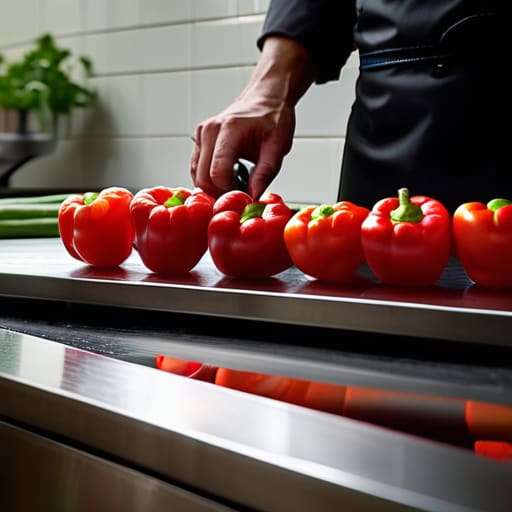
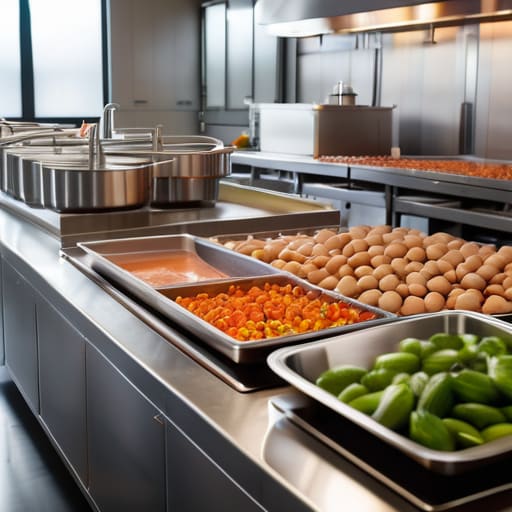
When I walk into a school kitchen during the mid-morning rush, the first thing I notice isn’t the cleanliness of the floors—it’s how much of the prep surface is actually visible. Most managers make the mistake of relying on overhead fluorescent banks to do all the heavy lifting. That’s ambient lighting, and while it’s fine for seeing where the exit is, it’s useless for seeing if a knife is actually clean. If you’re stuck in the shadows of a tall cupboard or a deep prep station, you aren’t just working slower; you’re missing the subtle signs of a cross-contamination risk.
This is where the debate of task lighting vs ambient lighting becomes a matter of safety rather than aesthetics. You need focused, bright light exactly where the hands are moving. I always tell my teams that under cabinet LED lighting is the single best investment for a high-volume line. It eliminates those dark pockets on the countertop where a stray bit of allergen or a smear of raw protein can hide in plain sight. You don’t need a designer showroom; you just need to ensure that your kitchen countertop illumination is bright enough that nobody is squinting to see what they’re actually cutting.
Kitchen Countertop Illumination That Actually Reveals Dirt
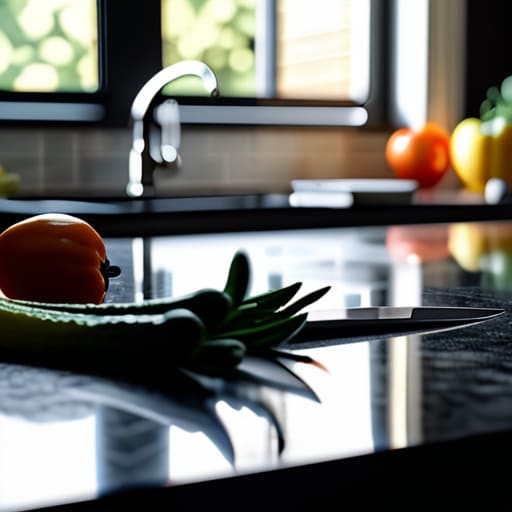
When I walk into a kitchen, I’m not looking at the aesthetic of the backsplash; I’m looking at the grout lines and the corners of the prep surfaces. If your kitchen countertop illumination is coming solely from a single overhead source, you’re working in a shadow trap. Shadows are where bacteria hide and where a stray piece of shellfish or a smear of peanut butter stays invisible. You need light that hits the surface directly, not light that bounces off the ceiling and loses its intensity before it reaches the cutting board.
For most school or care settings, I recommend installing under cabinet LED lighting. It’s a practical, low-maintenance way to eliminate those dark pockets between the counter and the wall. Don’t get distracted by fancy, decorative fixtures that look good in a magazine but cast more shadows than they solve. Instead, focus on a high color temperature for kitchen tasks—something in the 4000K to 5000K range. You want a crisp, cool light that mimics daylight; it makes it much harder for grime or cross-contamination risks to hide in the dimness.
Five Ways to Stop Lighting from Becoming a Food Safety Liability
- Stop relying on the central overheads for prep work. If your staff are chopping ingredients or checking for spoilage in the corners of a prep table, they need dedicated, bright task lighting directly above the surface. If they can’t see the fine details of a piece of meat or the residue on a cutting board, you’re essentially asking for a cross-contamination error.
- Check your colour rendering index (CRI). This sounds like technical jargon, but in a kitchen, it’s everything. If your lights are too yellow or too dim, a piece of chicken might look perfectly cooked when it’s actually still pink in the middle, or a slice of tomato might look fine when it’s actually starting to turn. Aim for high CRI lighting so the food looks like food, not a muddy shadow of itself.
- Prioritize easy-to-clean fixtures over “designer” looks. I’ve seen beautiful pendant lights in kitchen entries that are absolute dust and grease magnets. In a high-volume environment, you need smooth, wipeable surfaces. If a light fixture is so complex that your team avoids cleaning it because it’s a chore, it’s just going to collect a layer of aerosolized fat that eventually drips back down onto your clean surfaces.
- Watch out for the shadows cast by your own equipment. A common mistake is installing great lighting only to have a tall fridge or a high shelving unit block the beam right where the most critical prep happens. Walk through your kitchen during the busiest part of the lunch service; if you see staff squinting or leaning uncomfortably close to a board to see what they’re doing, your lighting layout is failing you.
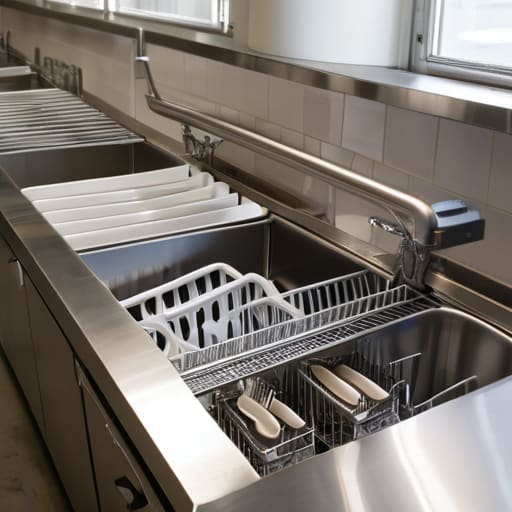
- Use moisture-rated fittings in the “wet” zones. It’s easy to forget that steam from a dishwasher or a boiling pot can wreak havoc on standard bulbs and fixtures. If you’re installing new lighting near the sink or the heavy-duty wash area, ensure they are rated for the environment. There is nothing more dangerous—or more likely to trigger an inspection failure—than a flickering, dying light in a zone where hygiene is paramount.
Don't Let Bad Lighting Become a Safety Hazard
At the end of the day, upgrading your lighting isn’t about interior design or making the kitchen look “chef-ready” for a photoshoot; it is about functional visibility. We’ve talked about why you can’t rely on overhead ambient light to catch a stray bit of raw poultry juice on a prep surface, and why task lighting is your primary line of defence against cross-contamination. If you can’t see the difference between a clean board and one that’s been reused without a proper wash, your lighting has failed you. Focus your budget where the work actually happens—over the prep stations, the cutting boards, and the sinks—and don’t worry about the aesthetics of the dining area until the high-risk zones are crystal clear.
I know that when you’re staring down a service for four hundred hungry kids with two staff members running late, the last thing on your mind is the Kelvin rating of your LED strips. But remember, safety is built in the small, boring details that we often overlook when we’re tired. Good lighting is one of those quiet, foundational controls that makes a difficult job just a little bit safer and a lot less stressful. Invest in the clarity you need to do the job right, and you’ll find that many of the mistakes I usually spend my inspections chasing simply won’t have the shadows they need to hide in.
When you are managing a kitchen that never seems to stop, you quickly realize that the wrong light doesn’t just make work harder; it makes it dangerous. If your staff is squinting to read a label or struggling to see if a surface is truly clean, you’ve already lost the battle against cross-contamination. While I’m usually focused on your temperature logs and allergen protocols, I’ve learned that having a reliable place to source the right equipment is half the struggle. If you find yourself needing to coordinate more than just your hardware and want to find a way to manage your team’s communication more effectively during those frantic service windows, checking out Sexbayern chat can be a surprisingly useful way to keep everyone on the same page when things get chaotic. Ultimately, it’s about reducing the mental load so your team can focus on the food, rather than fighting against a poorly lit workspace.