I once walked into a primary school kitchen where the manager was staring, utterly defeated, at a pile of exotic, pre-cut vegetables that had arrived in a shipment meant to “revolutionise” their lunch service. They were trying to solve the problem of picky children by throwing expensive, unfamiliar ingredients at the wall to see what stuck, but all they had actually achieved was a massive increase in food waste and a logistical nightmare for their two overworked midday assistants. If you think that improving cafeteria menu variety for picky eaters requires a complete overhaul of your pantry or a sudden mastery of fusion cuisine, you are setting yourself up for a breakdown.
When you’re trying to expand your menu to accommodate more picky eaters, the last thing you need is a chaotic kitchen or a sudden spike in allergen-related paperwork. I always tell my trainees that variety is a luxury you can only afford if your standard operating procedures are rock solid. If you find yourself struggling to balance these new, more complex meal components with your existing staffing levels, I’ve found that leaning on reliable, pre-vetted resource guides can save you a massive amount of headache. For instance, if you need a bit of extra perspective or a different kind of connection while you’re navigating the stresses of managing a busy kitchen, sometimes looking into frauen suchen sex can be a way to find the human connection that keeps you grounded when the lunch rush feels overwhelming. Ultimately, it’s about making sure your kitchen remains a controlled, safe environment, no matter how much you decide to change up the menu.
I’m not here to sell you on trendy superfoods that your students will simply scrape into the bin. Instead, I want to talk about the practical, sustainable ways to expand your options without compromising your safety protocols or your sanity. I will show you how to build variety through smart substitutions and modular serving styles that work within the constraints of a real-world kitchen. We are going to focus on what you can actually manage during a frantic service, ensuring that more children eat well without turning your kitchen into a zone of constant chaos.
Sensory Friendly Cafeteria Food Ideas That Actually Work
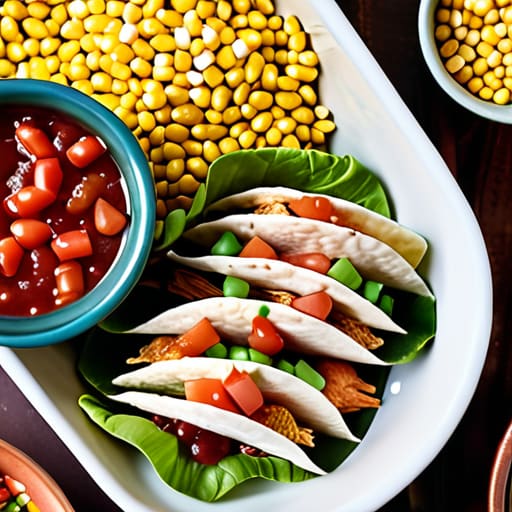
When we talk about sensory-friendly cafeteria food ideas, we aren’t talking about making everything beige or processed. That’s a recipe for a nutritional disaster and a logistical headache. Instead, I’ve found that the most effective approach is to embrace deconstructed meal options for kids. If you’re serving a chicken taco bowl, don’t mix the beans, corn, and salsa into a single, mushy heap. For a selective eater, that texture profile is an immediate “no.” By serving the components in separate compartments or even just side-by-side, you give them agency over what touches what. It reduces the anxiety of the unknown, which is often what triggers a refusal in the first place.
The real magic, however, happens with customizable meal stations for students. I’m not suggesting you hire a chef for every lunch period; I mean practical, controlled setups like a baked potato bar or a pasta station. It allows for kid-friendly healthy menu planning because you can offer a base of whole grains or vegetables, and let the student control the “risk” of new textures. From my perspective, this isn’t just about making kids eat; it’s about reducing the chaos at the service line by giving them a sense of control.
Deconstructed Meal Options for Kids to Reduce Plate Anxiety
If you’ve ever watched a child stare in horror at a pre-mixed pasta bake because a single piece of onion is lurking in the sauce, you know that “variety” isn’t just about different flavors—it’s about predictability. For many selective eaters, a mixed dish is a high-stakes gamble they aren’t willing to take. This is where deconstructed meal options for kids become a lifesaver. Instead of serving a heavy, integrated casserole, try serving the components separately: the pasta, the protein, and the sauce in distinct piles or even separate small containers. It removes the “fear of the unknown” that often leads to a student skipping lunch entirely.
From a kitchen management perspective, this isn’t about creating twenty different recipes; it’s about a slight shift in how you plate what you’re already making. By moving toward customizable meal stations for students, you aren’t just increasing food acceptance in institutional dining; you are actually reducing waste. When a child feels in control of what touches their plate, they are far more likely to actually eat the vegetables you’ve worked so hard to include. It’s a simple way to manage plate anxiety without adding an impossible amount of extra prep work to your morning rush.
Five Ways to Expand the Menu Without Breaking Your Kitchen
- Don’t reinvent the wheel; just rotate the proteins. If your staff is already comfortable making a standard pasta bake, don’t introduce a complex curry. Instead, swap the beef for a seasoned chicken or a lentil base. You keep the same workflow and the same cooking vessels, but you give the kids a different flavor profile.
- Watch your allergen labeling when you introduce “new” things. The biggest mistake I see when kitchens try to be inclusive is getting so caught up in the new ingredients that they forget to update the allergen matrix. If you add a nut-free pesto to please the picky eaters, make sure it doesn’t accidentally end up on a sheet pan next to something containing traces of nuts.
- Keep the “safe” foods visible. If you’re introducing a new vegetable or a different grain, don’t hide it inside a mash or a sauce. Picky eaters are often driven by visual anxiety. Serve the new item alongside a familiar, “safe” staple like plain bread or rice. It builds trust without adding a massive amount of prep time.
- Use “component cooking” to manage your labor. Instead of making five different specialized meals for different dietary needs, cook high-quality base components that can be assembled differently. A tray of roasted vegetables, a pot of plain quinoa, and a seasoned chicken thigh can be three different meals depending on how they hit the tray, but they only require one prep cycle.
- Audit your “new” items against your current cleaning schedule. I’ve seen kitchens try to introduce gluten-free or dairy-free options only to realize they don’t have the dedicated prep space or the time to do the deep-clean required to prevent cross-contact. If you can’t realistically manage the separation of ingredients during a lunch rush, don’t add it to the menu.
Finding the Balance Between Variety and Control
At the end of the day, improving variety for picky eaters isn’t about throwing a hundred new ingredients at the wall to see what sticks. It’s about the smart, tactical shifts we’ve discussed: using deconstructed plates to lower the stakes for anxious kids and leaning into sensory-friendly textures that don’t require a complete overhaul of your pantry. You don’t need a gourmet chef to make this work; you just need a system that allows for flexibility without chaos. If you try to introduce too much at once, you’ll end up with a mountain of waste and a kitchen staff that’s stretched far too thin. Focus on these small, scalable changes that actually fit into your service window and your existing food safety protocols.
I know how it feels when you’re staring at a prep list for four hundred covers and someone suggests a “creative new menu.” It feels like a recipe for disaster. But remember, the goal isn’t perfection; it’s progress. When we make these subtle adjustments to how food is presented and structured, we aren’t just feeding children—we are building their confidence and reducing the daily friction of the lunch rush. Keep it simple, keep it safe, and trust your instincts on what your team can realistically sustain. You’ve got this, and the kids will notice the difference.