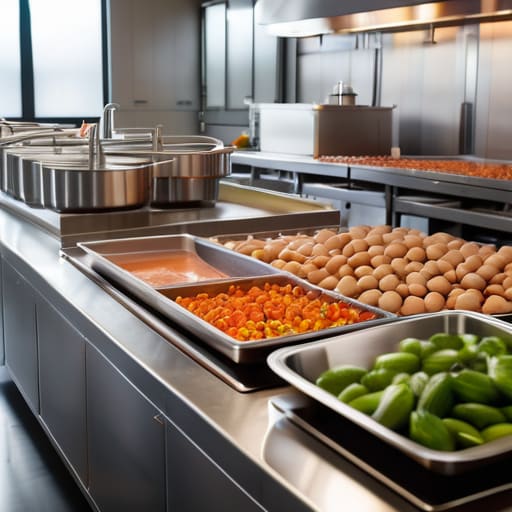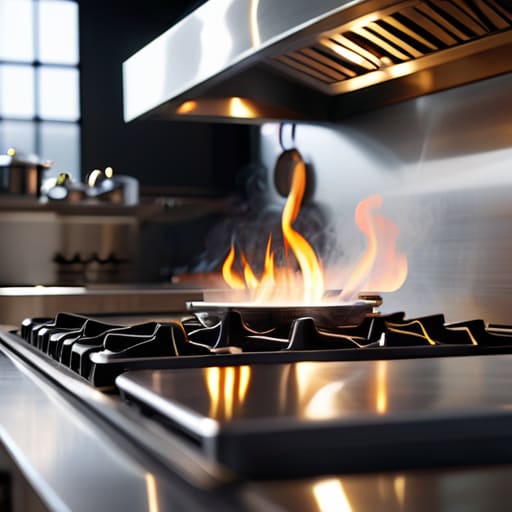
I remember standing in a school kitchen back in 2012, the air thick with the smell of burnt toast and the frantic energy of a lunch service that had gone completely off the rails. I wasn’t looking at the fancy new digital sensors the school board had bragged about in their last audit; I was looking at a pile of grease-caked extraction filters that hadn’t been touched in months. It’s a common misconception that how kitchen fire safety is managed is all about having the most expensive suppression systems or the thickest binder of laminated procedures. In reality, most fires don’t start because a sensor failed; they start because someone was too exhausted to wipe down the range at the end of a double shift.
I’m not here to lecture you on corporate compliance or give you a checklist that’s impossible to follow when you’re three staff members down. Instead, I’m going to show you the practical, repeatable habits that actually keep the flames at bay. We are going to focus on the small, boring, and often overlooked controls—like cleaning sequences and equipment checks—that actually work when the kitchen is at its busiest. Tell me what your staffing levels look like, and I’ll tell you which fire safety tasks are non-negotiable and which ones are just wasted paperwork.
Table of Contents
Preventing Kitchen Grease Buildup Before It Becomes a Crisis
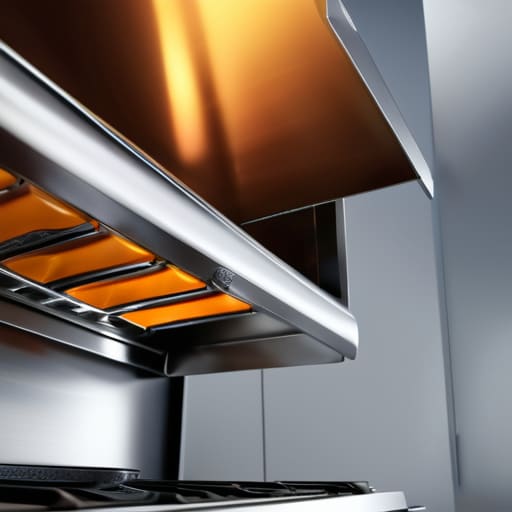
I’ve seen too many “accidents” that were actually just predictable outcomes of a neglected extraction system. When I walk into a kitchen and see a layer of tacky, amber film on the underside of the range hoods, I don’t see a cleaning issue; I see a fuel source. Preventing kitchen grease buildup isn’t about a deep clean once a quarter when the manager feels guilty; it’s about the daily, unglamorous habit of wiping down surfaces before the grease has a chance to polymerize and turn into something much harder to remove.
If you’re waiting for the annual professional service to handle your fire suppression system maintenance, you’re already playing a losing game. You can have the most expensive system in the world, but if the grease buildup in your filters is thick enough, it will act like a wick, drawing the flame right past the nozzles. I tell my teams: don’t aim for perfection, aim for consistency. If you can’t manage a full scrub every night, at least make sure the high-heat areas are wiped down during the shift change. It’s the small, boring stuff that keeps the fire brigade away from your door.
The Essential Fire Extinguisher Types for Cooking and Quick Response
Now, let’s talk about what is actually sitting in your cupboard. I have seen too many well-meaning managers assume that a standard red water extinguisher is a “catch-all” solution. If you use water on a deep fat fryer, you aren’t just failing an inspection; you are effectively creating a fireball that will travel across the ceiling. For any serious commercial kitchen fire prevention, you need to be looking specifically at Class F extinguishers—the ones designed for cooking oils. These use a wet chemical agent that creates a soapy layer over the oil, cooling it and cutting off the oxygen simultaneously.
Beyond the extinguishers, you need to understand your grease fire response protocols in the context of your fixed equipment. If you have a professional range, you likely have a fixed fire suppression system installed under the hood. This is your heavy artillery. However, these systems are useless if they haven’t been serviced, and they aren’t a substitute for knowing when to grab a fire blanket. A fire blanket is often the most underrated tool in a busy school kitchen; it’s simple, it doesn’t require aiming a nozzle, and it’s perfect for smothering a small pan fire before it reaches the extraction system.
The small, boring habits that actually stop the sirens
- Stop treating your extraction filters like a once-a-term chore; if they’re caked in yellow grease, you’re essentially running a slow-motion bonfire right above your heads.
- Make sure your staff knows that a pan fire isn’t a moment for heroics or grabbing a tea towel—it’s a moment for the lid, the heat off, and staying calm.
- Check your fire blankets during your weekly walkthrough, not just when you’re looking for something to sign off on; if they’re tucked away in a cupboard behind a stack of crates, they might as well not exist.
- Don’t just buy the extinguishers and forget them; run a five-minute “what if” drill during a quiet period so that when the actual smoke hits, nobody is standing there staring at the label wondering which one to grab.
- Keep the area around your electrical sockets and prep stations clear of clutter, because when things get frantic during service, that pile of cardboard boxes becomes a very convenient fuel source.
The bottom line on keeping your kitchen standing
Stop treating grease trap cleaning like an optional extra; if it isn’t part of your non-negotiable closing sequence, you aren’t managing risk, you’re just waiting for a flare-up.
Don’t let your fire extinguishers become expensive wall decorations—make sure your team actually knows which one to grab for a fat fire, because in a crisis, nobody has time to read the label.
Forget the grand, complex safety manuals that sit gathering dust; focus on the small, boring, repeatable habits that actually stop a kitchen from burning down when you’re slammed.
Frequently Asked Questions
If we’re already cleaning the extraction filters, why does the fire risk still feel so high during a busy lunch service?
Because cleaning filters is only half the battle. If you’re slammed during lunch, the risk isn’t just the buildup in the vents; it’s the heat and the chaos. You’ve got pans spitting fat, high-pressure burners running hot, and staff moving too fast to notice a small flare-up on a stovetop. If your cleaning is great but your “eyes-on” discipline slips when the tickets pile up, that’s exactly when a small spark becomes a crisis.
How do I actually train a team of rotating staff to use a fire blanket without it feeling like just another useless bit of paperwork?
Stop treating the fire blanket like a piece of paperwork and start treating it like a tool. Don’t just hand them a manual; pull the team together for five minutes during a quiet period. Show them exactly where it hangs—and make sure it’s actually reachable, not buried under a stack of crates. Walk them through the physical motion of pulling the tabs. If they can’t do it instinctively while they’re mid-rush, the training hasn’t happened.
When things get chaotic, what are the absolute non-negotiables I should tell my team to focus on before they even think about grabbing an extinguisher?
When the smoke starts, your team’s instinct is to panic and grab a tool. Stop them. Before anyone touches an extinguisher, they must do two things: cut the power and kill the gas. If you’re fighting a grease fire while the heat is still pumping into that pan, you aren’t fighting a fire; you’re just feeding a monster. Shut it down, clear the area, and then—and only then—do you reach for the equipment.