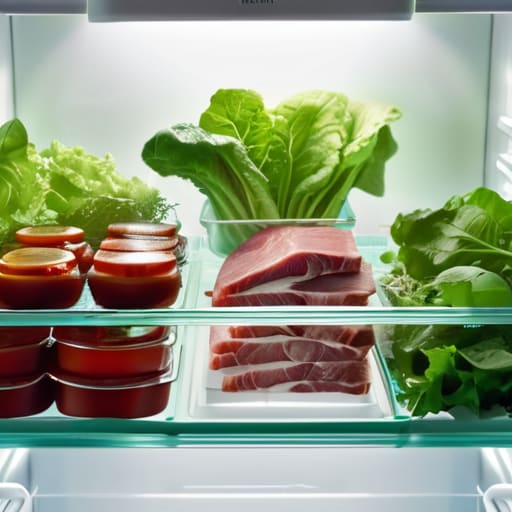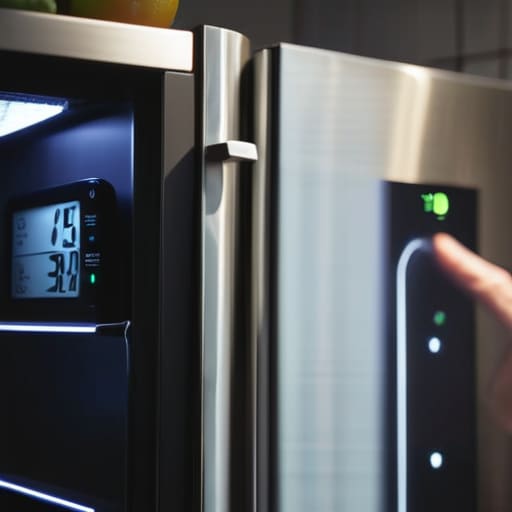
I’ve walked into enough school kitchens to know that when I ask how fridges and freezers should be monitored, I’m rarely met with a high-tech digital dashboard. Instead, I usually find a frantic cook staring at a stack of half-filled, coffee-stained clipboards, or worse, a “system” that consists of someone occasionally poking a thermometer into a milk carton and hoping for the best. I’m not here to sell you on some expensive, automated sensor array that requires a degree in IT to maintain; I’ve seen those fail just as badly as the manual ones when the Wi-Fi drops out during service.
What I want to do is cut through the legalistic jargon and tell you how to build a temperature routine that actually works when you’re three staff members short and the lunch rush is ten minutes away. I’m going to show you the bare essentials of what matters—the kind of sustainable discipline that keeps the food safe and the inspectors happy—without the unnecessary fluff. We aren’t aiming for a perfect, theoretical laboratory; we are aiming for a kitchen that is safe, compliant, and realistic.
Table of Contents
Beyond Paper Logs Embracing Automated Temperature Logging Systems
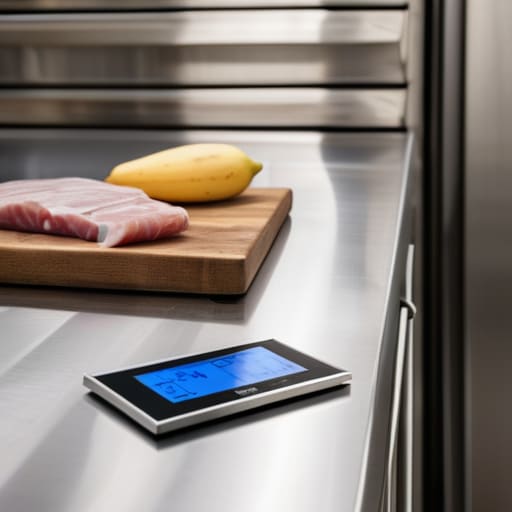
Now, I’m not going to tell you that you need to spend your entire budget on high-tech gadgets. If a clipboard and a pen are working for your team, they are working. But I’ve also stood in kitchens on Monday mornings looking at a week’s worth of blank temperature logs, knowing full well the staff were too busy serving lunch to actually check the dials. This is where automated temperature logging systems actually earn their keep. They aren’t just a fancy way to show off to an inspector; they are a safety net for when the real world gets messy.
The real value isn’t in the data itself, but in the refrigeration alarm notification settings. If a compressor fails at 2:00 AM, a paper log won’t tell you until it’s too late and forty kilos of chicken are a biohazard. A system that pings a manager’s phone means you catch the drift before the food is spoiled. It moves you away from reactive panic and toward true cold chain management best practices, ensuring that even when your staffing levels are thin, the equipment is watching itself.
Practical Cold Chain Management Best Practices for Busy Kitchens
Look, I know the reality: you aren’t running a laboratory; you’re running a service. When the lunch rush hits and you’re down a prep cook, the last thing anyone wants to do is play scientist with a probe. But effective cold chain management best practices aren’t about adding more chores; they are about knowing which ones actually stop a crisis. If you can’t be everywhere at once, you need to focus on the “danger zones”—those moments when a door is left ajar during a heavy delivery or a compressor starts to struggle mid-service.
Instead of obsessing over every single item, focus your energy on high-risk consistency. This means ensuring your staff understands that a temperature reading isn’t just a number to scribble down; it’s the only thing standing between a safe meal and a massive waste of budget. If you aren’t using automated systems, make sure your manual checks are meaningful. Don’t just record “4°C” because it’s what the manager expects to see; check that the thermometer itself is accurate through regular digital thermometer calibration. If the tool is lying to you, your entire log is just expensive fiction.
Five ways to stop your temperature logs from becoming fiction
- Stop treating the logbook like a chore to be done at the end of a shift. If your staff are only writing down numbers at 3:00 PM because they forgot to check at 9:00 AM, you aren’t monitoring anything—you’re just practicing creative writing. The check has to happen when the work is happening.
- Pick a “temperature champion” for every shift. In a busy school kitchen, things get missed when everyone is responsible because nobody actually is. Assign one person to be the eyes on the fridge; it builds accountability and stops the “I thought she did it” excuse.
- Learn the difference between a “drift” and a “danger.” If a fridge is sitting at 5°C instead of 3°C because a door was left ajar during lunch service, that’s a coaching moment about door seals and habits. If it’s at 10°C, that’s an emergency. Your team needs to know which one requires a quick fix and which one requires a bin.
- Don’t just record the number; record the “why” when things go wrong. If the temperature is high, I don’t want to see a blank space or a fake number. I want to see: “Fridge 2 door seal loose, called maintenance.” That note tells me you’re actually in control of the kitchen, not just ticking boxes.
- Check your equipment, not just your ink. You can have the most meticulous handwritten log in the world, but if your thermometer is uncalibrated or your fridge compressor is dying, those numbers are lies. Once a month, do a quick “sanity check” with a manual probe to make sure your digital displays aren’t gaslighting you.
The Bottom Line: What Actually Matters When the Rush Starts
Forget the fancy tech for a second; if your staff isn’t actually looking at the thermometer and writing the number down, a £500 digital sensor is just expensive wallpaper.
Consistency beats perfection every single time—I’d much rather see a slightly messy, handwritten log that is 100% complete than a pristine digital system that hasn’t been checked in three days.
Treat your temperature logs as your insurance policy, not a chore; they are the only thing standing between you and a massive, preventable headache when a fridge inevitably fails in the middle of a service.
Frequently Asked Questions
If we’re already using a digital logger, do I still need my staff to physically check the temperatures, or is that just double-handling?
I hear this one a lot, and I get the frustration—nobody wants to spend twenty minutes doing a job a sensor has already done. But here’s the reality: a digital logger tells you if the temperature is wrong; a physical check tells you if the fridge is actually behaving. A sensor can fail, a probe can drift, or a door might be slightly ajar without triggering an alarm immediately. Use the digital log for your data, but keep the physical check as a quick visual sanity test. It’s not double-handling; it’s a fail-safe.
What’s the realistic protocol when a fridge temperature is out of range but the food doesn't look or smell spoiled?
Look, I’ve seen this a hundred times: the fridge is sitting at 9°C, but the chicken looks fine and smells fine. Here is the hard truth: you cannot trust your senses. Bacteria like Listeria don’t care about smell. If it’s been out of range for more than two hours, you have to make a call based on your HACCP plan. Usually, that means discarding it. Don’t gamble with a child’s safety just because the meat looks “okay.”
How often should I actually be calibrating my thermometers to make sure the numbers I'm writing down aren't lying to me?
Look, I’ve seen too many “perfect” temperature logs that were actually just staff guessing because their probe was off by three degrees. Don’t wait for an inspection to find out your equipment is lying to you. At a minimum, calibrate your probes once a month using the ice-point method. If you’re running a high-volume kitchen with heavy use, do it weekly. It takes two minutes, but it’s the only way to trust your data.