I’ve sat in far too many school kitchens at 1:30 PM, watching a staff member scrape a mountain of perfectly edible mash and steamed broccoli into a bin while the budget for next month’s fruit delivery is already looking thin. Most of the consultants you’ll meet will try to sell you on expensive “smart” bin sensors or complex digital tracking software to solve the problem. Let me be clear: you don’t need a high-tech gadget to learn how to reduce food waste in schools; you need to know why that specific tray of carrots ended up in the bin instead of a child’s stomach.
I am not here to give you a theoretical lecture or a list of idealistic goals that fall apart the moment a delivery driver is late or a staff member calls in sick. I’m going to show you the small, boring, and highly effective adjustments—things like tightening your portioning logic and actually looking at what’s being scraped back—that work when you are short-staffed and under pressure. I will tell you what is actually sustainable so you can stop throwing money in the bin and start focusing on what matters.
Table of Contents
Nutritional Meal Planning That Actually Works
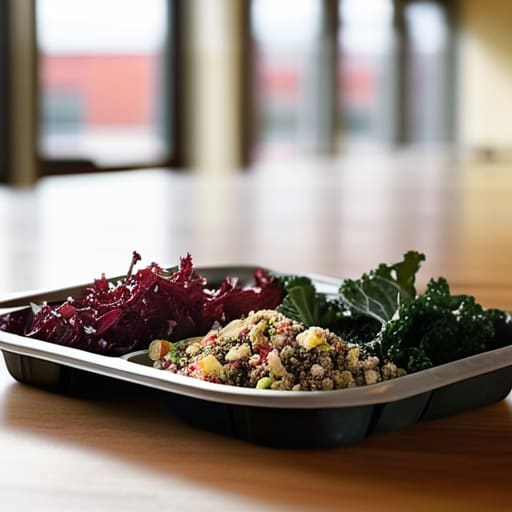
When I look at a menu, I’m not just looking at calories or macros; I’m looking at what’s actually going to end up in the bin. You can design the most nutritionally perfect meal on paper, but if it’s a complex, multi-component dish that a ten-year-old can’t eat quickly between bells, it’s just future waste. Effective nutritional meal planning has to account for the reality of the dining hall. I’ve seen too many kitchens try to be overly ambitious with “superfood” trends that students find unpalatable, leading to massive plate waste.
Instead of chasing every dietary fad, focus on predictable, familiar components that allow for easy portion control. If you know your students gravitate toward certain proteins or vegetables, lean into that. It’s much easier to manage a sustainable school meal program when you aren’t fighting against student food consumption habits every single day. If they aren’t eating the kale, stop buying the kale in bulk. Aim for meals that are simple enough to be eaten efficiently, which keeps the waste down and the nutrition levels consistent.
Using Food Waste Audit Methods Without Losing Your Mind
Look, I’ve seen enough “comprehensive waste management plans” gathering dust in filing cabinets to know that most of them are useless. If a plan requires a staff member to spend forty minutes a day weighing individual scraps while a queue of three hundred hungry kids forms, it’s going to fail. You don’t need a PhD in statistics; you need food waste audit methods that actually fit into a chaotic service window.
Instead of trying to track every single pea, start with a “plate waste” observation. For three days, just stand near the bin during service and watch. Are the kids leaving the broccoli untouched? Is the pasta always coming back half-eaten? This gives you a direct window into student food consumption habits without needing a spreadsheet.
Once you see the pattern, you can make small, surgical adjustments. If the salad bar is where the waste lives, maybe it’s the portion sizes or the way it’s presented. Don’t aim for perfection; aim for actionable data that tells you what to change on Monday’s menu. If you can’t measure it in five minutes, you won’t do it.
Five Practical Wins for When the Kitchen is Already Full
- Stop over-prepping the “just in case” veg. I’ve seen too many kitchens chop mountains of carrots and broccoli at 8:00 AM only to watch them wilt or get thrown out at 2:00 PM because the lunch rush was lighter than expected. Prep for your known numbers, not your fears.
- Master the art of the “repurposed component.” If you have leftover roasted chicken from Monday, don’t let it sit in a container waiting for a miracle; use it as a protein base for a controlled, safe, and nutritious wrap on Tuesday. Just ensure your cooling logs are airtight before you even think about it.
- Standardise your portion scoops. If one staff member is using a massive ladle and another is using a standard scoop, your waste isn’t a “student problem,” it’s a consistency problem. You can’t control what’s left on the plate if you haven’t controlled what goes on it in the first place.
- Tighten the gap between delivery and storage. Waste often starts before the oven is even turned on. If those crates of tomatoes are sitting on a loading bay for forty minutes because the team is busy, you’re essentially throwing money—and food—directly into the bin.
- Listen to the “plate scrapings” feedback. If you notice the same side dish coming back untouched every single Thursday, stop serving it. It doesn’t matter how nutritious it is on paper; if the kids aren’t eating it, it’s not a meal, it’s just expensive compost.
The Bottom Line: What to Prioritise When You’re Short-Staffed
Don’t aim for a perfect audit; aim for a consistent one. I’d much rather see you tracking one single high-waste item—like over-boiled veg or wasted bread—every Tuesday than see a massive, complicated spreadsheet that gets abandoned after three days because nobody has the hands to fill it in.
Stop treating “portion control” like a suggestion. If your staff are plating up based on what looks “generous” rather than what the recipe specifies, you aren’t just wasting food; you’re making your budget impossible to manage and your nutritional targets a moving target.
Use your waste as a feedback loop for the menu, not a reason to feel guilty. If the same side dish is ending up in the bin every Thursday, stop trying to “encourage” the kids to eat it and just change the recipe or the prep method; the bin is telling you exactly what isn’t working.
Frequently Asked Questions
I’ve started tracking what goes in the bin, but how do I actually use that data to change my ordering without it becoming a second full-time job?
Don’t get bogged down in spreadsheets. You don’t need a data scientist; you just need to spot the patterns. If you see three bags of unpeeled carrots or a mountain of half-eaten pasta every Tuesday, stop ordering for that volume. Adjust your next delivery by 10% and see if the bin looks different. It’s about making small, iterative tweaks to your order sheets based on what’s actually hitting the floor, not a total system overhaul.
If we reduce portion sizes to cut waste, how do I make sure I'm not accidentally leaving kids hungry or compromising their nutritional needs?
Don’t just slash portion sizes across the board; that’s a recipe for hungry kids and wasted money when they come back for seconds. Instead, focus on “component control.” Keep the high-nutrient, high-cost items—like the protein or the veg—at a controlled, standard portion, but offer more of the low-cost, filling staples like grains or pulses. It’s about density, not just volume. If they’re still hungry, they need more fuel, not just more air.
We have very limited staff during the lunch rush; what are the one or two most effective things we can do about waste without adding more pressure to the team?
Look, I know you can’t suddenly conjure an extra pair of hands when the bell rings. If you’re short-staffed, stop trying to track every single scrap. Focus on one thing: portion control at the point of service. If you’re using scoops, use the right size. It’s a five-second adjustment that stops expensive food from ending up in the bin, and it doesn’t require a single extra minute of paperwork.