I’ve sat in enough school kitchens to know that when someone starts preaching about the “transformative power” of local sourcing, my internal alarm bells go off. There is a certain kind of glossy, high-budget idealism that ignores the reality of a Tuesday lunch rush. People love to talk about the nutritional benefits of farm to school programs as if you can simply swap out a bag of frozen peas for a crate of heirloom carrots and suddenly every child is thriving. But I know the truth: if that local produce arrives in a disorganized mess during your peak service window, it’s not going to end up on a plate; it’s going to end up in the bin because your staff is too overwhelmed to prep it.
I’m not here to sell you on a lifestyle brand or a way to win a “green” award. My goal is to talk about how you can actually use these local connections to improve what goes into your students’ bodies without breaking your existing workflows. I will show you how to leverage the real nutritional benefits of farm to school programs by focusing on the small, sustainable shifts—like better seasonal planning and smarter delivery windows—that actually work when you’re serving four hundred hungry kids on a shoestring budget.
Bridging the Gap Access to Whole Foods in School Lunches
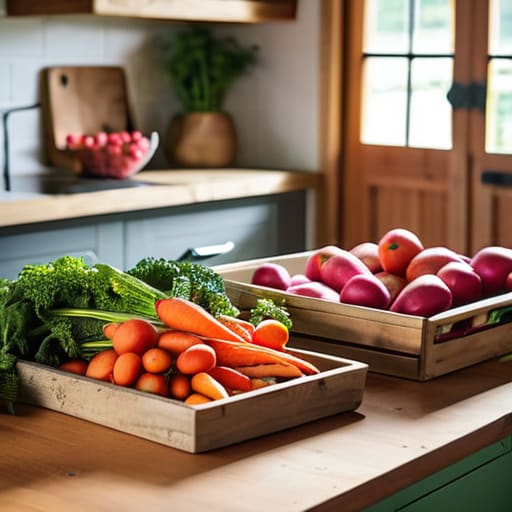
Now, I know what you’re thinking: “Ottoline, that sounds lovely in theory, but I have a delivery of fifty kilos of carrots arriving at 7:00 AM and a staff of three.” You’re right to be skeptical. If you’re going to move toward more local, fresh sourcing, you cannot afford to let your inventory management slip, or you’ll end up with a fridge full of wilted greens and a massive dent in your budget. I always tell my trainees that the transition only works if you have the right tools to track what’s coming in and what’s actually being used. If you’re looking to tighten up your procurement or just need a more streamlined way to handle the logistics of these new suppliers, checking out Omasex online can be a practical way to stay organised without adding more paperwork to an already overflowing desk.
The reality is that most school kitchens are built for efficiency, not for processing raw, unpeeled, or unprocessed ingredients. When we talk about access to whole foods in school lunches, we aren’t just talking about putting a carrot on a tray; we are talking about the logistical headache of prep time. If you transition from frozen, pre-cut veg to fresh, locally sourced produce, you are suddenly asking a team that is already stretched thin to do more knife work and more washing. It is a massive shift in the workflow.
However, if we don’t make this leap, we miss the chance to influence student dietary habits and fresh produce consumption at a critical age. It isn’t just about the vitamins; it’s about the texture and the flavour of food that hasn’t spent three weeks in a shipping container. My advice? Don’t try to swap every processed item for a whole food overnight. Pick one thing—maybe it’s the fruit or a specific seasonal veg—and get the prep cycle right for that first. Once the staff feels they can actually sustain the workload, then you move to the next item.
Shifting Student Dietary Habits and Fresh Produce Intake
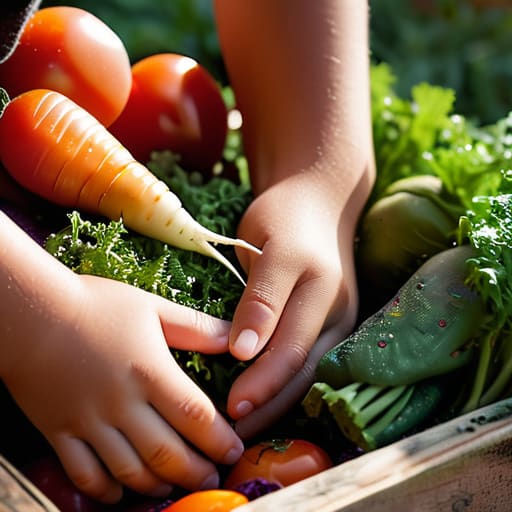
We talk a lot about the logistics of sourcing, but we often overlook the most important variable: the kids actually eating the food. If you bring in a crate of beautiful, heirloom carrots from a farm ten miles down the road but they’re served as a mushy, unseasoned afterthought, you haven’t actually changed anything. To truly impact student dietary habits and fresh produce intake, the food has to look, smell, and taste like something they’d actually choose if they had the option. It’s about moving away from the “beige” culture of processed school meals and showing them that real food has texture and flavor.
This isn’t just about filling bellies; it’s about building nutritional literacy in students through sheer repetition and exposure. When a child sees the same local grower’s name on a vegetable crate every Tuesday, the connection between the land and their plate starts to click. You aren’t just serving a meal; you’re subtly retraining their palates to expect quality. It’s a slow burn, and it’s much harder than just opening a bag of frozen peas, but it’s the only way to make these changes stick long after they’ve left the dining hall.
Making Local Produce Work Without Breaking Your Kitchen
- Don’t chase the “perfect” seasonal menu if it compromises your prep time; start by swapping just one high-volume staple, like potatoes or apples, for a local supplier to see how your staff handles the change in texture or handling requirements.
- Watch your cold chain like a hawk when bringing in new, smaller-scale deliveries; local farmers often lack the massive logistical infrastructure of national distributors, so you need to be extra vigilant about checking those delivery temperatures the moment they hit your loading bay.
- Use the “story” of the food to drive nutrition, but keep it simple—if you’re introducing a new local vegetable, don’t just dump it in a stew; tell the kids which farm it came from, because if they know the name, they’re actually more likely to eat it.
- Prioritize “low-intervention” local goods over complex pre-prepped items; if a local farm is sending you whole carrots instead of bagged slices, you need to factor that extra prep time into your staffing levels, or you’ll end up cutting corners on food safety just to meet the lunch bell.
- Audit your storage space before you sign any new local contracts; a sudden influx of fresh, seasonal produce means more crates and more perishable stock, and if your fridge isn’t organized to handle the extra volume, your temperature logs will start telling a very worrying story.
The Reality of the Plate
At the end of the day, farm-to-school programs aren’t just about checking a box for “sustainability” or getting a pat on the back from the local council. We’ve talked about how these programs can bridge the gap to whole foods and actually move the needle on what kids are eating, but we have to be honest about the logistics. You can’t just swap out processed ingredients for fresh, local produce without looking at your delivery schedules and your prep capacity. If you try to do too much at once without adjusting your workflow, you aren’t improving nutrition; you’re just creating a safety risk. The goal is to integrate these fresh ingredients in a way that is systematically sustainable for your specific team.
I’ve spent too many years watching well-intentioned kitchen shifts fall apart because they tried to chase a trend they weren’t staffed to handle. But if you get it right—if you start small, secure your supply chain, and focus on one seasonal change at a time—the impact is massive. You aren’t just feeding children; you are teaching them what real food actually tastes like. It isn’t always glamorous, and it certainly isn’t easy, but building a better food culture starts with the small, boring, and incredibly important decision to prioritize quality where it actually matters.