
I’ve sat in enough damp, echoing school kitchens to know that the moment you hand a new hire a fifty-page laminated manual and tell them to “read it by lunch,” you’ve already lost the battle. Most training programs are just expensive exercises in box-ticking that leave a person knowing the theory but having no clue where the allergen folder is kept or how to spot a fridge that’s drifting into the danger zone. If you’re looking for a way to teach how to induct new catering staff through endless PowerPoint slides and legalistic jargon, you’re wasting your time and your budget.
I’m not here to give you a lecture on academic food safety; I’m here to tell you what actually keeps the kids safe when the lunch rush hits and you’re three people short. I am going to show you how to strip the induction down to the high-risk essentials—the small, boring, non-negotiable habits that prevent a crisis. We’ll focus on what you can actually sustain in a working kitchen, prioritizing the controls that matter before they ever touch a single plate.
Table of Contents
Onboarding Hospitality Employees Focus on the Non Negotiables
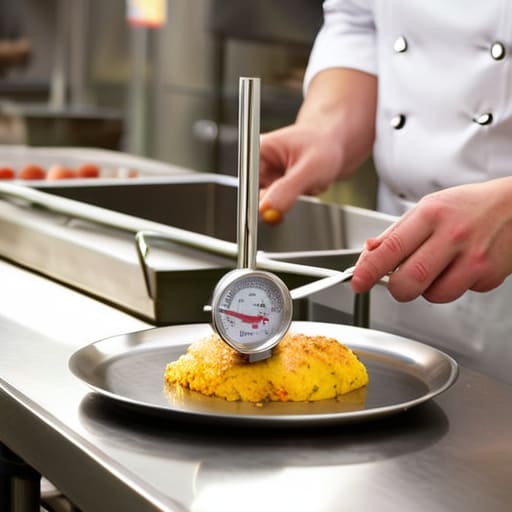
When I walk into a kitchen for a first-time inspection, I’m not looking for how well your team can recite the formal food safety training protocols from a textbook. I’m looking for the “non-negotiables”—the habits that actually stop a child from ending up in A&E. If you spend your first day of onboarding hospitality employees handing them a heavy employee training manual for catering and telling them to “read it by lunch,” you’ve already lost them. They won’t remember the nuances of cross-contamination, but they will remember where the sanitiser is and how to use the probe thermometer.
Focus your kitchen staff orientation on the high-stakes basics: allergen awareness, hand hygiene, and temperature control. If they can’t demonstrate that they know which cutting board is for raw chicken and which is for veg, they shouldn’t be touching a single plate. Forget the fluff; teach them the critical control points that prevent a crisis. It’s much better to have a staff member who is an expert at the three things that keep people safe than one who is vaguely familiar with fifty things they’ll never actually do.
Practical Kitchen Staff Orientation Over Theoretical Fluff
If you hand a new hire an eighty-page employee training manual for catering and tell them to “get through it” before service, you’ve already lost. I’ve seen it a hundred times: a trainee sits in a quiet office, eyes glazing over, while the real work happens in a kitchen that is rapidly descending into chaos. That isn’t training; it’s a box-ticking exercise that leaves them vulnerable the moment they step onto the line.
Instead, your kitchen staff orientation needs to be tactile and immediate. Don’t start with the history of the company; start with the high-risk zones. Take them to the walk-in and show them exactly how to read the temperature log. Show them where the allergen folder lives and, more importantly, why they shouldn’t touch a prep station after handling unlabelled ingredients.
Practicality beats theory every time. If they can’t demonstrate they know how to wash their hands correctly or identify a cross-contamination risk within their first hour, they aren’t ready to be left alone. Focus on the critical control points that actually keep people safe, and leave the corporate fluff for the HR department.
Five Things They Must Master Before Their First Shift
- Stop the manual-reading marathon. On day one, don’t hand them a binder and wish them luck; walk them to the fridge, show them the temperature log, and make them write down the first entry. If they can’t record a temperature correctly, they aren’t ready to handle the food.
- Make the allergen cupboard their new best friend. I’ve seen too many “accidents” that were actually just someone grabbing the wrong bag of flour because it was stored too close to the gluten-free stuff. They need to know exactly where the high-risk ingredients live and, more importantly, where the “danger” labels are kept.
- Teach the “why” behind the cleaning sequence. It’s easy to tell a new hire to “clean the prep station,” but if they use the same cloth for raw chicken prep and then salad, they’ve just turned your kitchen into a petri dish. Show them the sequence: clean, sanitise, dry, and move on.
- The “Where is it?” walkabout. A new hire’s biggest stressor is feeling lost, which leads to shortcuts. Spend twenty minutes doing nothing but pointing: where is the blue roll, where is the hand soap, where is the spill kit, and where is the bin liner? A staff member who knows where the tools are is a staff member who won’t skip a step because they’re in a rush.
- The “Ask Me or It’s Wrong” rule. I tell every new starter: I would much rather you interrupt me three times to ask about a delivery temperature than have you guess and let a batch of high-risk food sit on a counter. Make it clear that “guessing” is the only thing that actually gets them in trouble with me.
The Bottom Line for Your Next Shift
Forget the fifty-page manual; if they can’t identify the big eight allergens and demonstrate how to use a probe thermometer by the end of day one, they aren’t ready to work.
Prioritize “active” training over reading; I’d much rather see a new hire physically walk the cleaning sequence and check the fridge logs than sit in a canteen reading a handbook they’ll forget by lunch.
Focus your limited energy on the high-risk controls—temperature, cross-contamination, and handwashing—because that is where the real danger lives when the kitchen gets busy.
Frequently Asked Questions
How do I know if they’ve actually understood the allergen training, or if they're just nodding to get through the shift?
Stop asking them to repeat the policy; they’ll just parrot the words back to you. Instead, hand them a random ingredient from the pantry and ask, “If a child comes in with a nut allergy, what’s the very first thing you do with this?” Or, better yet, walk over during service and ask them to show you exactly where the allergen folder is kept. If they have to hunt for it, they haven’t learned it.
What do I do when a new hire is clearly capable but refuses to keep up with the "boring" paperwork like temperature logs?
I’ve seen this before: the “star” chef who can plate a perfect risotto but treats the temperature log like a suggestion. Here is the reality: a brilliant cook who skips the paperwork is a massive liability. If an incident happens, “but they’re a great cook” won’t hold up in a tribunal. Sit them down. Explain that the log isn’t “admin”—it’s their legal shield. If they can’t master the boring bits, they aren’t actually capable.
If I only have twenty minutes for an induction because the lunch rush is starting, what are the absolute bare essentials I can't skip?
If you’ve only got twenty minutes before the bell rings, stop reaching for the handbook. Forget the history of the school; they don’t need it. Focus on the three things that will keep people from getting sick or getting you prosecuted: handwashing protocols (when and how), allergen awareness (where the spec sheets live), and temperature control (how to use the probe and where the log is). If they can do those three things without breaking a rule, you’ve bought yourself some safety.