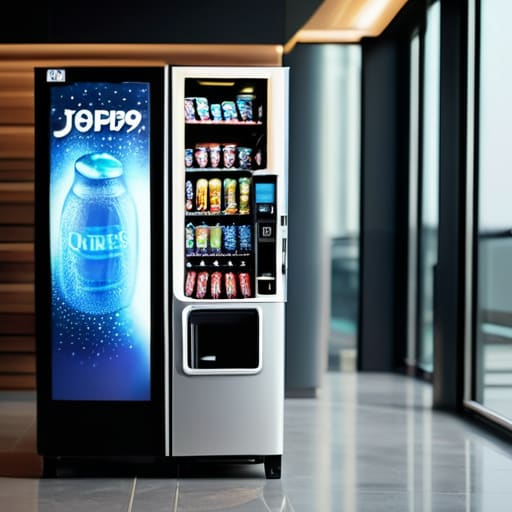
I remember standing in a primary school corridor last spring, listening to the frantic, rhythmic thud-thud-thud of a vending machine that had jammed, while a line of hungry ten-year-olds loomed like a small, impatient army. The site manager looked at me with pure dread, convinced that because it was “just a machine,” the rules didn’t apply or were some impenetrable mountain of paperwork. There is this persistent, exhausting myth that how tuck shops and vending are regulated is a specialized, high-level legal headache reserved for massive supermarkets. It isn’t. In reality, the regulations aren’t there to make your life difficult with complex audits; they are there to ensure that a snack dispensed in a hallway doesn’t become a medical emergency because someone forgot about allergen labeling or temperature control.
I am not here to drown you in legislative jargon or tell you to buy a thousand-pound digital monitoring system you don’t need. Instead, I’m going to strip away the fluff and tell you exactly what matters when it comes to keeping your small-scale outlet safe and compliant. We are going to focus on the practical, repeatable habits that actually satisfy an inspector and, more importantly, keep your students safe. If you tell me what your actual staffing levels look like, I will tell you which controls are non-negotiable and which ones you can simplify without losing your shirt.
Table of Contents
Navigating the Automated Retail Regulatory Framework Without Burnout

Navigating the automated retail regulatory framework without burnout means accepting a hard truth: you cannot be in two places at once. If you’re running a tuck shop or managing a fleet of machines, you aren’t there to see the spilled juice or the slightly ajar door. This is where most people trip up; they try to treat a vending machine like a staffed cafe, expecting the same level of oversight. In reality, your vending machine health standards depend entirely on the quality of your remote checks. You need a system that doesn’t rely on “hoping for the best” but on scheduled, predictable intervals that fit into your actual working week.
The goal isn’t to achieve perfection, but to build a rhythm that survives a busy term. Instead of trying to overhaul every single sanitation protocol for small food outlets overnight, pick the three things that actually stop someone from getting sick—like temperature stability and physical cleanliness—and automate the logging for those. If your compliance audits for food vendors are built around these high-impact tasks, you won’t feel like you’re constantly chasing your tail every time an inspector knocks on the door.
Where Retail Licensing Requirements Actually Meet Daily Reality
When I walk into a school or a small office to check a tuck shop, I’m not looking for a perfectly manicured manual that’s been sitting in a drawer for six months. I’m looking at the gap between what your paperwork says and what the person on shift is actually doing. Most retail licensing requirements look great on a spreadsheet, but they fall apart the moment a delivery is late or a staff member calls in sick. If your sanitation protocols for small food outlets are so complex that they require twenty minutes of scrubbing every time a snack is sold, they aren’t protocols—they’re obstacles.
The real test of food safety compliance for retailers isn’t how many rules you’ve memorized; it’s whether your system survives a busy Tuesday lunch rush. I’ve seen plenty of vending setups that technically meet the letter of the law but fail the spirit of it because the temperature controls are too temperamental for a non-specialist to monitor. You need controls that are robust enough to be idiot-proof and simple enough to be maintained when things get chaotic. If a process is too high-maintenance to be sustained during peak hours, it’s a risk waiting to happen.
The Three Essentials: Where You Can’t Afford to Cut Corners
- Stop treating the vending machine as a ‘set and forget’ asset. If you aren’t checking the temperature of the chilled unit at least once a day, you aren’t managing it—you’re just hoping for the best. Regulation expects a log, and I expect to see that the log actually reflects the reality of your machine’s performance.
- Allergen labelling on pre-packaged goods isn’t a suggestion; it’s your primary line of defence. If a student with a severe nut allergy reaches for a snack because the packaging is torn or the information is illegible, “it was an automated sale” will not hold up in an investigation. Make sure your staff knows how to spot a compromised label.
- Keep your ‘paperwork’ as lean as possible, but keep it accurate. I don’t want to see a three-inch binder of useless fluff; I want to see a single, clear sheet that shows when the machine was last cleaned and when the stock was last checked for expiry dates. If it’s too complicated to fill out during a busy break, your staff won’t do it, and that’s when the risk climbs.
- The ‘hidden’ risk is the physical state of the machine. Dust, crumbs, and spilled liquids in a vending unit aren’t just messy—they are breeding grounds. A quick, scheduled wipe-down isn’t about aesthetics; it’s about preventing cross-contamination in a space that is often neglected because “nobody is actually cooking there.”
- Know your supplier’s responsibility, but remember that the liability often stops with you. If you’re sourcing snacks for a tuck shop, you need to be able to prove you’ve checked that the products are safe and compliant. Don’t just take their word for it; check the delivery notes and ensure the packaging is intact before it hits the shelf.
The Bottom Line: What Actually Matters When the Rush Starts
Don’t get lost in the paperwork for things that don’t kill anyone; focus your limited energy on the high-risk gaps, like ensuring vending machine temperature logs are actually being checked and that your tuck shop staff know exactly which allergen labels to look for when a student asks.
Compliance isn’t a mountain of forms; it’s a set of sustainable habits. If a cleaning schedule or a temperature check is so complicated that your staff skips it when they’re busy, it’s a bad system, not a bad staff member—simplify the process until it’s something they can actually do.
Regulation in small-scale retail is about risk management, not perfection. You don’t need a five-star restaurant setup for a vending corner, but you do need a clear, repeatable way to prove that the food you’re selling is safe and that you’ve kept an eye on the things that matter most.
Frequently Asked Questions
If I’m only running a small vending machine in a staff room, do I really need the same level of formal HACCP documentation as a full-scale school kitchen?
No, you don’t need a thirty-page HACCP manual for a single staff room machine, but don’t mistake “small scale” for “no risk.” If you’re just restocking pre-packaged goods, your “HACCP” is essentially just ensuring the machine is plugged in, the snacks aren’t expired, and the area stays clean. However, if you’re adding anything that needs chilling—like sandwiches or milk—you need a way to prove that temperature stayed below 8°C. Keep it simple, keep it documented, and keep it realistic.
How do I prove to an inspector that my snack stock is being rotated properly if the machine is unstaffed for most of the day?
You don’t prove it with a mountain of paperwork; you prove it with a reliable system. If the machine is unstaffed, your “proof” is a simple, dated restocking log that matches your delivery notes. When I walk in, I’m looking for the gap between what you say you did and what’s actually in the coil. If your log says “Monday refresh” but I see expired crisps, the system has failed. Keep it brief, keep it dated, and keep it honest.
What’s the practical way to manage allergen labelling on pre-packaged items when the manufacturer’s information changes faster than I can update my records?
Stop trying to chase every single ingredient change in real-time; you’ll lose that battle. Instead, build a “fail-safe” system. If a manufacturer updates a label and you haven’t verified it, pull the product from the shelf immediately. I’d rather see you stop selling a specific snack for twenty-four hours than see you guess about a trace of soy. Use a “Master Allergen List” that you audit weekly, not daily, and keep a clear “Hold” bin for unverified stock.