I’ve sat in enough school kitchens to know that when I walk in and see a stack of splintering, greyish-white timber blocks, I’m not just looking at old equipment; I’m looking at a ticking time bomb. I once walked into a mid-sized catering unit where the staff were terrified of their own prep surfaces because they’d been told they needed some expensive, artisanal beeswax blend to stay compliant. It was nonsense. They were so busy trying to follow a complicated, high-end ritual that they’d completely neglected the basics of how to maintain wooden cutting boards in a way that actually works during a lunch rush. They were chasing perfection with products they couldn’t afford, while the actual risk—deep, unwashed fissures in the grain—was staring them right in the face.
I’m not here to sell you a lifestyle or a boutique cleaning kit. My goal is to give you a realistic maintenance schedule that survives a busy shift without requiring an extra pair of hands you don’t have. We are going to strip away the fluff and focus on the boring, essential controls: the right oil, the right drying technique, and knowing exactly when a board has moved from “well-loved” to “a biological hazard.”
Cleaning Wooden Boards Safely Without Wasting Critical Time
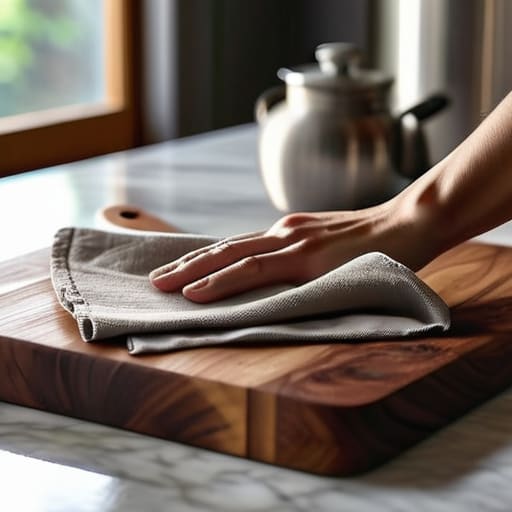
Now, I know what you’re thinking: “Ottoline, I don’t have time to hunt down specialist food-grade mineral oil every time a board looks a bit thirsty.” You’re right; you don’t. In a busy kitchen, if a maintenance task feels like a chore, it simply won’t happen, and that’s when the cracks appear. I always tell my teams to build a small kit—a dedicated tin of oil and a clean rag—right where they do their prep. It makes the process a thirty-second habit rather than a weekend project. If you’re looking for ways to better manage your kitchen’s workflow or just need to decompress after a hectic service, sometimes finding a bit of local chat in Lower Austria or a similar community connection can help you clear your head so you can focus on the practical discipline that keeps your kitchen running safely.
Look, I know the reality of a mid-service rush. You don’t have ten minutes to perform a ritualistic cleansing of every board the moment a prep task ends. But there is a massive difference between a quick rinse and a dangerous habit. If you are just wiping things down with a damp cloth and moving on, you aren’t cleaning wooden boards safely; you’re just moving the bacteria around. My rule of thumb is simple: wash them with hot, soapy water immediately after use, but for the love of everything, never let them soak in the sink. A waterlogged board is a board that’s going to split, and once that happens, you’ve created deep crevices that no amount of scrubbing will ever truly reach.
When things get messy—maybe you’ve been prepping beets or turmeric—don’t panic about removing stains from wood cutting boards with harsh, bleach-based chemicals that will ruin the grain. Instead, use a paste of baking soda and lemon juice. It’s fast, it’s non-toxic, and it actually works. Just ensure you dry them upright so air can circulate; if they sit flat and wet on a counter, you’re asking for warping.
Preventing Wood Cracking and Warping Through Consistent Discipline
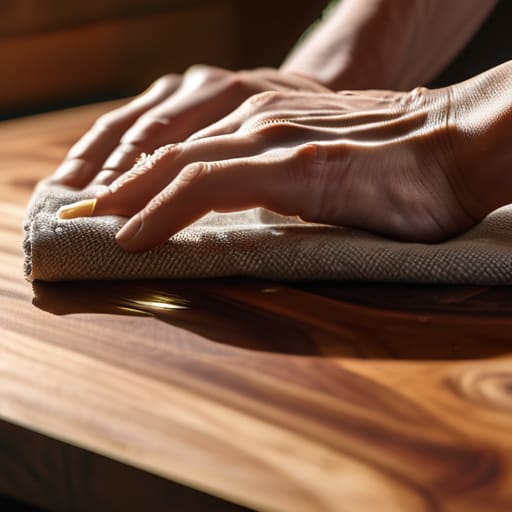
Here is the reality: wood is a living material. It breathes, it expands, and it contracts based on the moisture levels in your kitchen. If you treat it like a piece of plastic, it will fail you. Most of the boards I see in school kitchens that are split down the middle haven’t failed because of the quality of the timber, but because of a lack of moisture discipline. Preventing wood cracking and warping isn’t about buying the most expensive block; it is about ensuring the fibers stay saturated so they don’t pull apart when the air gets dry or the heat rises.
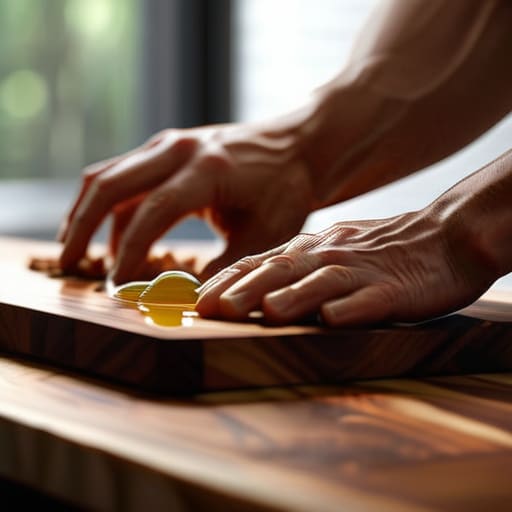
This is where most teams cut corners because they are too busy to think about “maintenance.” You cannot just wash a board and walk away. You need a consistent routine of food grade mineral oil application. If the wood looks pale and feels thirsty, it is already too late to prevent a deep fissure. Don’t bother with olive oil or vegetable oils—they go rancid, and then you’re dealing with a smell that no amount of scrubbing will fix. Get a dedicated bottle of mineral oil, and make it a weekly habit, not a “when we have time” task.
The Five Non-Negotiables: Practical Maintenance for a Busy Kitchen
- Stop the soak. I see it in school kitchens all the time—staff leaving boards in a sink of lukewarm water because they’re “cleaning” them. You aren’t cleaning; you’re inviting the wood to swell and split. Wash them, dry them upright immediately, and get them off the bench.
- Pick your oil wisely. If you’re using whatever vegetable oil is in the pantry, you’re making a mistake. Cheap oils go rancid, and a rancid board smells exactly like a neglected one. Use food-grade mineral oil; it’s boring, it’s cheap, and it doesn’t go bad.
- The “Deep Scrape” rule. Don’t wait until the board looks like a topographical map of the Andes. Once a week, or whenever you see those deep knife grooves starting to hold onto debris, give it a firm scrape with a bench scraper. If the food is getting stuck in the grain, your cleaning isn’t working anymore.
- Respect the separation of duties. If you’re running a small team, don’t try to make one board do everything. Use your dedicated boards for raw protein and keep your veg boards separate. It’s not about being precious; it’s about reducing the cross-contamination risk that I spend far too much time investigating.
- Know when to call it a day. There is a point where a board is no longer a tool, but a liability. If the cracks are deep enough that you can’t effectively sanitize the interior, or if the wood is starting to delaminate, stop trying to save it. Bin it and get a new one. It’s cheaper than an outbreak.
The Bottom Line on Board Maintenance
At the end of the day, maintaining your wooden boards isn’t about achieving some impossible standard of perfection; it’s about managing the predictable risks that come with heavy use. We’ve talked about why you can’t just soak them in the sink like a piece of cheap plastic, why oiling them is a non-negotiable part of your workflow, and how a simple cleaning sequence keeps them from becoming a biological hazard. If you try to do all of this at once during a lunch rush, you’ll fail. Instead, pick a sustainable rhythm—maybe it’s a quick oiling once a month or a strict “no-soak” rule—and stick to it. It is these small, boring habits that prevent the cracks and warping that eventually force you to scrap a perfectly good piece of equipment.
I know how it feels when you’re staring down a mountain of prep with a skeleton crew; the last thing you want to think about is the grain of a cutting board. But remember, food safety isn’t a separate task you tack on at the end of a shift; it is the foundation that allows you to cook with confidence. When you control your tools, you control your environment. Invest the five minutes now to care for your equipment, and you’ll save yourself the headache of a failed inspection or, worse, a preventable incident later. Do the maintenance today so you can focus on the food tomorrow.