
I’ve walked into enough school kitchens to know that a bad smell isn’t just an annoyance; it’s a warning sign that something in your system has broken down. I once spent twenty minutes in a primary school canteen trying to figure out if a faint, sour scent was a faulty compressor or a forgotten container of milk behind the heavy crates, only to realize it was a fundamental failure in how the staff were rotating stock. People will try to sell you expensive charcoal filters or fancy scented sprays to mask the problem, but if you’re looking for how to remove odors from refrigerators effectively, you need to stop treating the symptom and start looking at the source.
I am not here to give you a list of “life hacks” that involve baking soda-scented candles or expensive gadgets. Instead, I’m going to show you the practical, repeatable habits that actually work in a high-pressure environment where you don’t have time for deep cleans every single day. We are going to talk about cleaning sequences, proper containment, and the small, boring checks that ensure your fridge stays fresh without adding an hour of unpaid labor to your shift.
Cleaning Expired Food From Refrigerator the Discipline of Regular Audits
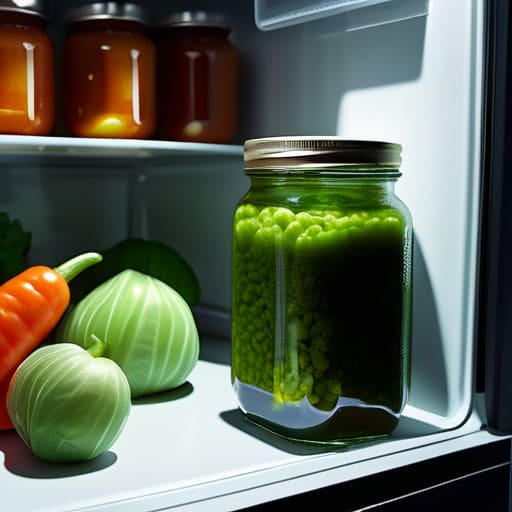
If you wait until you can smell something “off” to start cleaning expired food from your refrigerator, you’ve already lost the battle. In my experience, by the time that sour, sickly-sweet scent hits the air, the bacteria have already settled in, and you aren’t just dealing with a smell—you’re dealing with a contamination risk. I’ve walked into school kitchens where a single forgotten container of sauce at the back of a shelf had become a biohazard. It isn’t about being obsessive; it’s about a disciplined weekly scan.
Don’t try to overhaul everything at once when you’re short-staffed. Instead, make a habit of the “First In, First Out” rule and check those dates every Friday before the weekend rush. If you find something that’s past its prime, bin it immediately. While some people swear by using baking soda for fridge odors as a magic fix, no amount of powder will mask a rotting vegetable. The goal isn’t to hide the scent; it’s to ensure the source of the smell never has a chance to take root in the first place.
Best Ways to Neutralize Food Odors Without Masking the Symptom

Look, I’ve seen too many kitchens try to solve a smell problem by shoving a bottle of lavender spray or a scented plug-in into the corner of a walk-in. That isn’t cleaning; it’s just making your spoiled milk smell like a spa, which is a recipe for a massive mistake during a busy service. If you want to actually tackle the issue, you have to stop masking the symptom and start looking for the source.
The most effective natural refrigerator deodorizers aren’t fancy or expensive; they are boring, and that’s why they work. I always tell my teams to keep an open box of baking soda on a middle shelf. It’s a simple, low-effort way to absorb volatile organic compounds before they permeate your dairy or produce. If you’ve already dealt with the mess of cleaning expired food from refrigerator units, a quick wipe with a solution of white vinegar and water will do more for your odor control than any aerosol ever could. It cuts through the organic film that holds onto smells, providing a clean slate rather than a scented distraction.
Five Practical Habits to Keep the Smell Out for Good
- Stop treating odors like a mystery to be solved and start treating them like a symptom of poor rotation. If you’re finding a smell, you’ve likely already missed the window where that food was actually usable. The most effective “cleaning” tip I can give you is to implement a strict ‘first-in, first-out’ rule during your morning prep; if the older stock is always at the front, it never has the chance to turn into a biohazard in the back corner.
- Check your seals, not just your shelves. I’ve walked into countless kitchens where the food is spotless but the fridge smells like a swamp because the door gaskets are cracked or caked with old spills. If the seal isn’t tight, warm air is getting in, moisture is condensing, and you’re creating a breeding ground for the very bacteria that cause those smells. Wipe those rubber seals down with warm soapy water once a week—it takes two minutes and saves you an afternoon of deep cleaning.
- Don’t rely on fancy chemical sprays to mask a problem. In a professional setting, if it smells, something is wrong. Instead of buying expensive “deodorizers,” use a dedicated, food-safe neutralizer or a simple open tray of baking soda placed near the fan. The goal isn’t to make the fridge smell like lemons; it’s to ensure it smells like nothing at all. If you can smell “lemon” in a fridge, you’re just masking a potential risk.
- Manage your spill response immediately. I know, you’re short-staffed and the lunch rush is hitting, but a spilled sauce or a leaking meat package left until the end of the shift is a recipe for disaster. A single drop of milk or meat juice seeping into a crevice becomes an odor anchor that no amount of air freshener will touch. Make “wipe as you go” a non-negotiable part of the workflow, even if it feels like you’re slowing down.
- Watch your container discipline. If you are storing leftovers or prep items in cracked or poorly fitting plastic containers, you are inviting cross-contamination and odor seepage. Invest in decent, airtight containers that actually seal. It’s a small upfront cost that pays for itself in reduced food waste and a much more manageable environment during your end-of-day clean.
The Reality of the Clean Fridge

At the end of the day, getting rid of that stale, metallic, or sour smell isn’t about buying the most expensive charcoal filters on the market. It comes down to the basics we’ve discussed: auditing your stock so nothing is left to liquefy in the back of a crisper drawer, neutralizing the source rather than just spraying perfume over a problem, and maintaining a consistent cleaning sequence. You don’t need a miracle; you just need to stop treating odor control as a once-a-month panic and start seeing it as part of your daily kitchen discipline. If you manage the waste and the spills, the smell usually takes care of itself.
I know what you’re thinking—you have a service to run, a delivery to unpack, and a dozen other things competing for your attention. You might not have the luxury of a deep scrub every single evening. But remember, a clean-smelling fridge is often the first indicator of a kitchen that is actually in control of its food safety. Don’t aim for perfection, aim for sustainability. Pick the two or three habits from this list that your team can actually stick to when the lunch rush hits, and do those well. That is how you build a kitchen that lasts.
If you are managing a busy kitchen, you probably don’t have the luxury of a dedicated cleaning supervisor to oversee every single shelf, so you need to rely on standardised checklists that your staff can actually follow without a manual. I always tell my teams that if a task isn’t written down and easy to grab, it won’t get done when the lunch rush hits. For those of you looking to tighten up your internal communications or find better ways to coordinate your staff’s daily routines, I’ve found that using a reliable sextreff online resource can help you bridge those gaps in effective team management, ensuring that the small, boring tasks like checking for rogue smells don’t slip through the cracks.