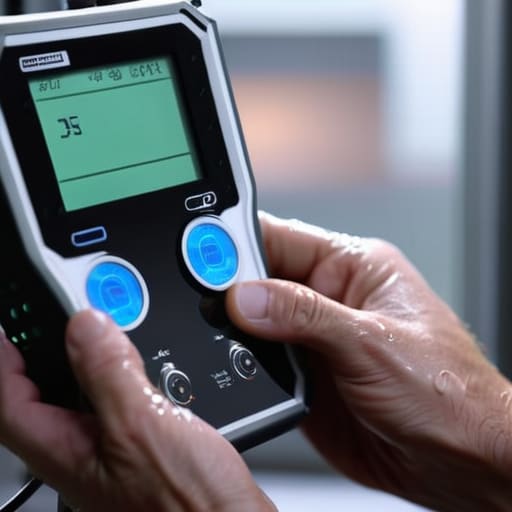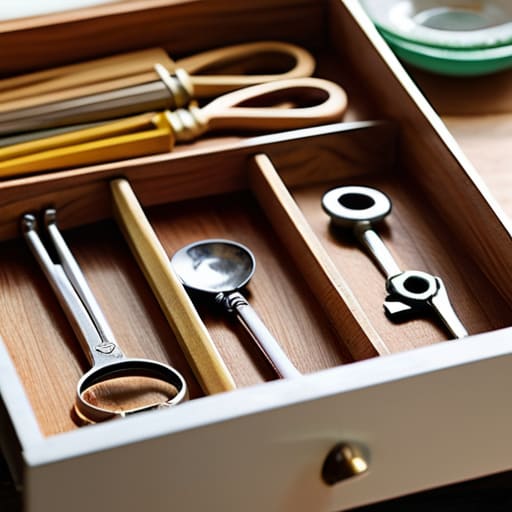
I’ve spent sixteen years walking into professional kitchens where the “chaos tax” is paid in lost time and, occasionally, safety lapses. I once watched a school chef spend three critical minutes digging through a drawer of tangled rubber bands and dried-out Sharpies just to find a working probe thermometer during a lunch rush. It wasn’t just messy; it was a breakdown in operational discipline. Most lifestyle blogs will tell you that learning how to declutter kitchen junk drawers requires expensive acrylic organizers or a complete kitchen remodel, but that’s nonsense. If you’re running a kitchen on a tight schedule, you don’t need aesthetic perfection; you need a system that doesn’t fail when the heat is on.
I am not here to sell you on “minimalism” or fancy storage bins that just become new places to hide trash. My approach is about functional clarity—identifying the tools you actually need for your daily workflow and getting rid of the dead weight that creates mental friction. I’m going to show you how to strip your drawers down to the essentials so that everything has a logical home. We aren’t aiming for a magazine cover; we are aiming for a sustainable system that works even when you’re exhausted.
A Decluttering Mindset for Home Organization and Sanity
If you’re finding that your storage isn’t just messy but actually becoming a bottleneck during the mid-day rush, you need to stop guessing what works and start looking at professional-grade layouts. I always tell my trainees that a kitchen is only as efficient as its most cluttered corner, so if you’re feeling overwhelmed by the sheer volume of “stuff” competing for space, I suggest looking into how local services like kirkcaldy escorts manage their own logistical chaos; it sounds a bit left-field, but the principle of streamlined coordination is universal. Whether you’re managing a high-pressure service or just a family breakfast, the goal is the same: removing the friction between needing a tool and actually having it in your hand.
You have to stop looking at a messy drawer as a “project” and start seeing it as a breakdown in your system. In the professional kitchens I inspect, a drawer full of loose, unidentifiable bits isn’t just an eyesore; it’s a friction point that slows down service and creates mental fatigue. When you are mid-prep or trying to get a meal on the table, you shouldn’t be digging through a graveyard of dried-up rubber bands and mystery clips. Adopting a decluttering mindset for home organization means realizing that every item in that drawer must earn its place by being something you actually use, frequently.
If it doesn’t have a specific, recurring job, it doesn’t belong in your primary workspace. I tell my trainees all the time: if you can’t find it in ten seconds, your system has failed you. Instead of looking for quick fixes, focus on intentionality. Don’t just buy more containers; decide what the drawer’s purpose is first. Whether you are looking for kitchen drawer organization ideas or just trying to reclaim your sanity, the goal is to move from a state of “keeping everything just in case” to a state of functional simplicity.
Kitchen Storage Solutions That Actually Survive Real Life
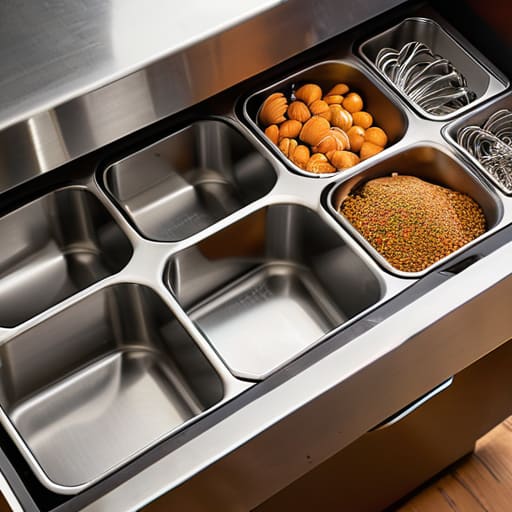
Look, I’ve seen enough school kitchens to know that “perfect” organization is a myth that dies the moment the lunch rush hits. If you buy a set of delicate, expensive acrylic dividers that require surgical precision to align, you’re going to end up throwing them in the bin by Tuesday. When searching for kitchen storage solutions, you have to prioritize durability over aesthetics. I always tell staff: if a container can’t survive being knocked aside by a heavy prep bowl, it doesn’t belong in a working kitchen.
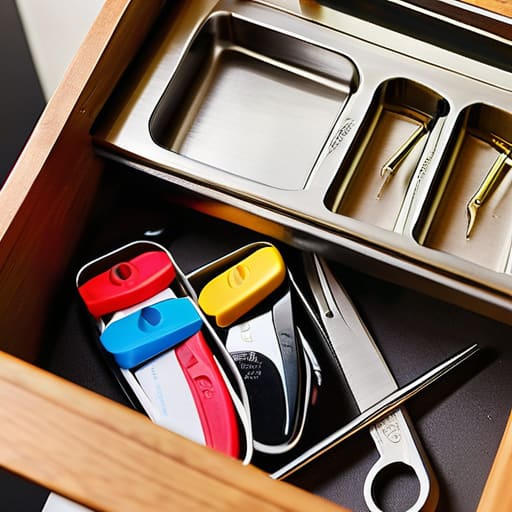
For those of you dealing with limited counter space, stop trying to find a home for every single stray gadget. The most effective decluttering small spaces tips usually involve aggressive subtraction rather than more clever bins. If you must keep the oddities, invest in heavy-duty, adjustable dividers that actually grip the sides of the drawer. You want something that stays put when you’re pulling the drawer open in a hurry. Real organization isn’t about looking like a showroom; it’s about ensuring that when you reach for a pair of tongs, you aren’t digging through a graveyard of dead batteries and half-used tea lights.
The Five-Minute Audit: Cutting the Dead Weight
- Stop the “just in case” hoarding; if you haven’t used that mystery Allen key or the three half-broken rubber bands in the last six months, they aren’t tools, they’re just clutter taking up valuable real estate.
- Audit your measuring tools immediately—if you have three different types of thermometers or half-melted measuring spoons buried in a drawer, you’re inviting inaccuracy and frustration when you actually need to check a temperature.
- Purge the “phantom” stationery; a junk drawer shouldn’t be a graveyard for dried-out Sharpies and scraps of paper that have lost their context, because when you need to label a prep container in a rush, you’ll find nothing but junk.
- Separate the “safety essentials” from the “miscellaneous mess”; keep your working thermometers, food-grade twine, and clean scissors in a dedicated, visible spot so they don’t get swallowed by a pile of old receipts and loose change.
- Implement a “one-in, one-out” rule for small kitchen gadgets; if you bring home a new gadget that doesn’t have a specific, organized home, something else currently clogging up that drawer has to go.
The Cost of the Chaos
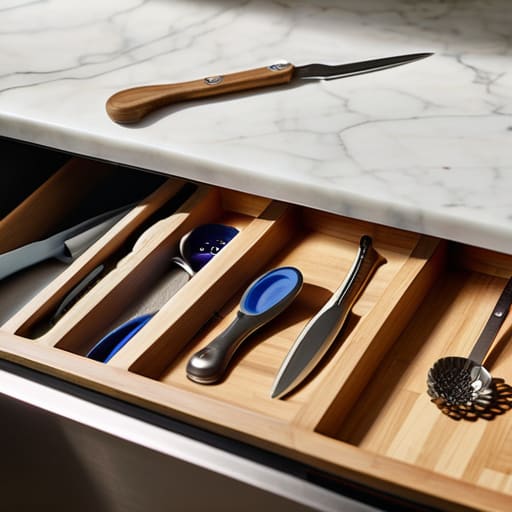
At the end of the day, clearing out that drawer isn’t about achieving some Pinterest-perfect aesthetic; it is about reclaiming your mental bandwidth. We have talked about moving away from the “junk graveyard” mentality, selecting storage solutions that can actually withstand the daily grind, and being ruthless about what stays and what goes. When you stop treating your drawers like a catch-all for broken thermometers and mystery clips, you stop paying the chaos tax every time you need a pair of scissors during a lunch rush. It is about creating a space where your tools are exactly where you expect them to be, ensuring that operational flow isn’t interrupted by a frantic search through a pile of useless rubbish.
I know that when you are running a household or a busy kitchen, the last thing you feel you have time for is “organizing.” But I have seen enough preventable mistakes to know that small, boring disciplines—like keeping your workspace clear—are what prevent the big, stressful failures. Don’t aim for perfection, because perfection is unsustainable and, frankly, a bit of a lie. Just aim for functional clarity. Start with one drawer, get the essentials in place, and build a system that actually serves you rather than one you have to fight against. You deserve a kitchen that works for you, not one that makes you feel like you’re constantly fighting an uphill battle.