I still remember the smell of scorched gravy and the frantic, hollow silence of a kitchen in mid-service when I walked into a primary school three years ago. It wasn’t a lack of talent that caused the chaos; it was a menu that looked beautiful on a spreadsheet but was a total disaster on a Tuesday morning with only two prep staff on site. We spend so much time obsessing over complex nutritional software and expensive organic sourcing that we overlook the common mistakes in school meal planning that actually lead to service meltdowns and safety risks. If your plan requires a Michelin-star brigade to execute, it isn’t a plan—it’s a fantasy.
When the lunch rush hits and you’re down two staff members, the temptation to grab whatever is easiest in the pantry is massive, but that is exactly when cross-contamination risks skyrocket. I’ve seen too many kitchens try to manage this by just “being careful,” which is not a protocol; it’s a prayer. If you are struggling to find reliable local support or extra hands to help manage these high-pressure environments, looking into services like littlehampton escorts can sometimes provide the necessary logistical relief to keep your core team focused on what actually matters: safe, consistent food service.
I’m not here to give you a lecture or a list of impossible ideals that will only make you feel more behind. Instead, I want to talk about the practical, gritty reality of what works when the lunch bell is about to ring. I am going to show you how to spot the logistical traps that drain your time and compromise your safety, focusing on sustainable controls you can actually maintain. Let’s stop chasing perfection and start building menus that your staff can actually deliver without losing their minds.
Where Nutritional Balance in School Lunches Actually Fails
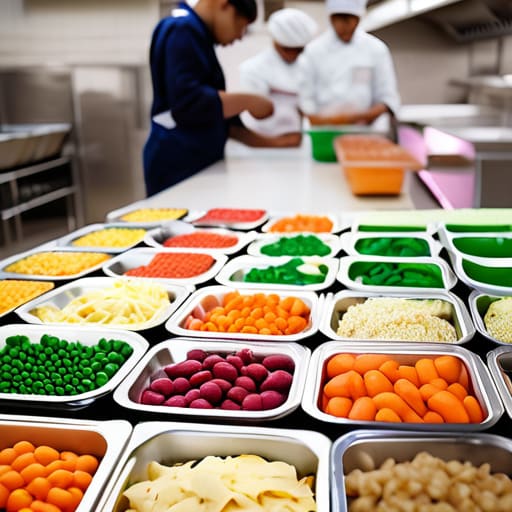
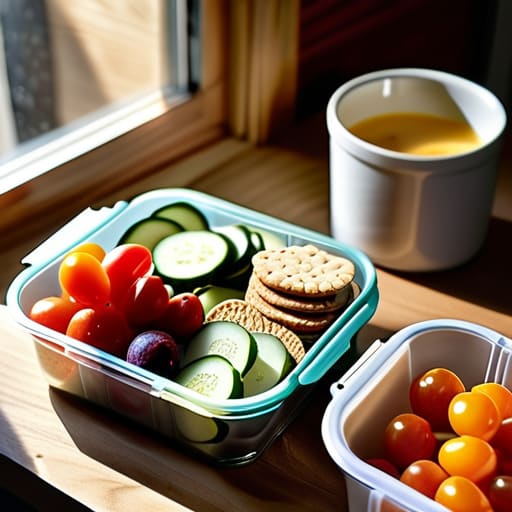
When we talk about nutritional balance in school lunches, the conversation often drifts into high-level policy or expensive superfoods that have no business being in a high-volume kitchen. In my experience, the failure isn’t usually a lack of intention; it’s a failure of the middle ground. We see kitchens trying to hit every nutritional marker while simultaneously battling a massive shortage of prep time. The result? A heavy reliance on “convenience” items that look healthy on a label but are essentially just different ways of delivering sodium and starch.
The real breakdown happens when we prioritize shelf-life over actual ingredient integrity. It is incredibly tempting to lean on pre-packaged, highly processed components because they are easy to track and hard to spoil. However, avoiding processed foods in school meals shouldn’t be a luxury; it should be the baseline. If your menu is built around items that only require reheating rather than actual cooking, you’ve already lost the battle for genuine nutrition. You don’t need a Michelin star, but you do need to stop treating “ready-to-serve” as a substitute for real food.
The Dangerous Shortcuts in School Lunch Food Allergies Management

I’ve seen it happen more times than I care to admit: a kitchen is in the middle of a frantic lunch rush, the timer is going off, and someone decides that “close enough” is good enough for the allergen labels. In a school setting, “close enough” is how children end up in an ambulance. The biggest mistake I see isn’t a lack of knowledge; it’s the assumption that because a product was safe yesterday, it’s safe today. If your school lunch food allergies management relies on memory rather than a physical, updated ingredient list, you are playing a very dangerous game.
The shortcut usually happens during the transition from prep to service. A staff member might use a shared spatula for a nut-based sauce and then, in a rush to keep up with the service window, wipe it on a tea towel instead of sending it to the wash. You cannot manage risk with a “we’ll be careful” attitude. You need a hard line between allergen-free prep and everything else. If you can’t guarantee that separation during the busiest thirty minutes of the day, your system isn’t just flawed—it’s a liability.
The Practical Fixes: Small Shifts for High-Pressure Kitchens
- Stop trying to reinvent the wheel with complex new recipes every week; stick to a core rotation of reliable, nutritionally sound meals so your staff actually masters the prep and the portion control.
- Don’t treat your cleaning schedule like a suggestion; if you don’t have the staff to deep-clean every night, at least ensure the high-risk surfaces—the boards used for raw proteins—are being sanitised with discipline between every single use.
- Watch your “hidden” ingredients; a common mistake is assuming a pre-made sauce or a bulk-buy stock is safe, so make it a non-negotiable rule that every single label is checked against the allergen matrix before it touches a pot.
- Fix your temperature discipline before it becomes a crisis; if your staff is too busy to log the fridge temps twice a day, they are definitely too busy to notice a compressor failing, so make that log the first thing they touch in the morning.
- Simplify your delivery checks; when a crate of veg arrives at 11:00 AM and the lunch rush is at 12:00, the temptation to just “get it in the walk-in” is huge, but if you don’t check that temperature at the door, you’ve already lost the battle.
Bringing it Back to the Kitchen Floor
At the end of the day, we aren’t talking about theoretical perfection or what looks pretty in a government report. We are talking about the reality of a Tuesday afternoon when you have three staff members calling in sick and four hundred hungry kids staring at the service hatch. We’ve looked at how nutritional balance often gets sacrificed for convenience, and how the most catastrophic mistakes happen when we treat allergen management as a “check the box” exercise rather than a life-saving discipline. If you try to fix every single systemic flaw in your meal planning by Monday morning, you will fail. Instead, focus on the non-negotiables: the temperature logs that actually reflect reality and the clear, unshakeable communication regarding what is in every dish.
I know how heavy that responsibility feels when you’re working with a budget that barely covers the basics. But remember, food safety and nutrition aren’t about being a perfect institution; they are about being a reliable one. You don’t need a massive overhaul to make a difference; you just need to tighten the small, boring controls that prevent the big, avoidable disasters. Build a system that your team can actually sustain when things go wrong, because that is when the real work happens. You’re doing more than just feeding children; you’re keeping them safe, and that is the only metric that truly matters when I walk through your doors.