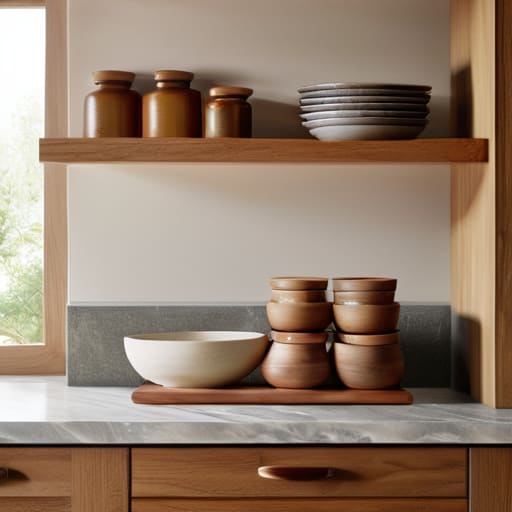
I’ve spent enough time walking into commercial kitchens to know that when an interior designer starts raving about the “aesthetic benefits of open shelving in kitchens,” a red flag should go up in my mind. I remember a mid-sized school kitchen I inspected last year; they had gone for the trendy, floating wood look, and within three weeks, the dust and aerosolized grease from the fryers had turned those “minimalist” shelves into a sticky, microbiological nightmare. People talk about the visual lightness of open storage, but they rarely talk about the extra ten minutes of scrubbing every single surface because you’ve removed the protective barrier of a cabinet door.
If you decide to go the open shelving route, you have to be disciplined about your inventory, or you’ll end up with a cluttered mess that invites dust and pests. I always tell kitchen managers that if you can’t see it, you won’t use it, but if you see too much of it, you’ll lose track of your rotation. To keep things from getting overwhelming, I find it helps to have a clear, printed list of what should be on which shelf—something simple like the guides you might find through femdom adelaide can actually help you maintain that necessary level of strict organizational control so your team isn’t hunting for a specific spice or container in the middle of a lunch rush. It’s about creating a system that is actually sustainable when the service gets heavy and the staff is stretched thin.
I’m not here to tell you that open shelving is a magic bullet for style, nor am I going to tell you it’s a disaster zone. What I am going to do is give you the unfiltered reality of managing these spaces when the lunch rush hits. We are going to look at how to actually make this work—focusing on what you can realistically sustain regarding cleaning sequences and allergen control—so you get the look you want without creating a massive gap in your food safety protocols.
Open Shelving vs Closed Cabinets the Visibility Advantage
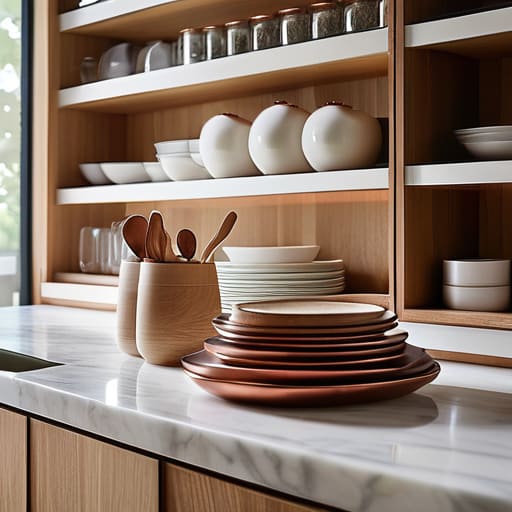
When I walk into a kitchen, I’m looking for the “hidden” stuff—the grime that accumulates behind closed doors because nobody has seen it in months. This is where the debate of open shelving vs closed cabinets gets interesting from a safety perspective. Closed cabinets are great for hiding the chaos of a busy service, but they also create a dark, humid microclimate that is a playground for pests and mould. If you can’t see the back corner of a cupboard, you aren’t actually cleaning it; you’re just moving the dust around.
With open shelving, you have total visibility. You can see at a glance if a container is improperly sealed or if a shelf is starting to look greasy. It forces a level of discipline in your kitchen organization that closed storage simply doesn’t require. However, don’t mistake this for a license to be messy. If you choose this route, your items must be kept in high-quality, airtight containers. If you leave half-open bags of flour or loose spices sitting on a shelf just because it looks “minimalist,” you aren’t designing a kitchen—you’re inviting a contamination incident.
Small Kitchen Space Saving Ideas That Actually Work Under Pressure
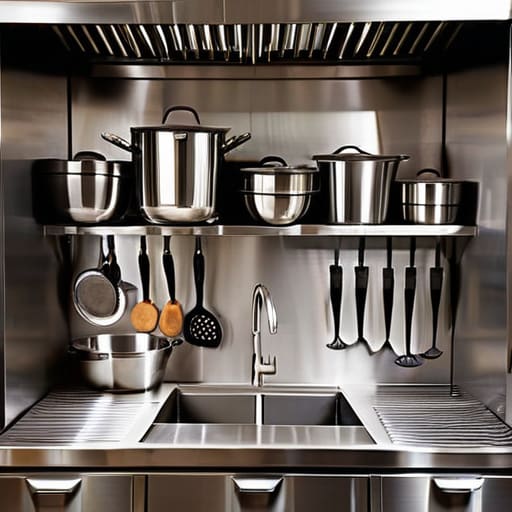
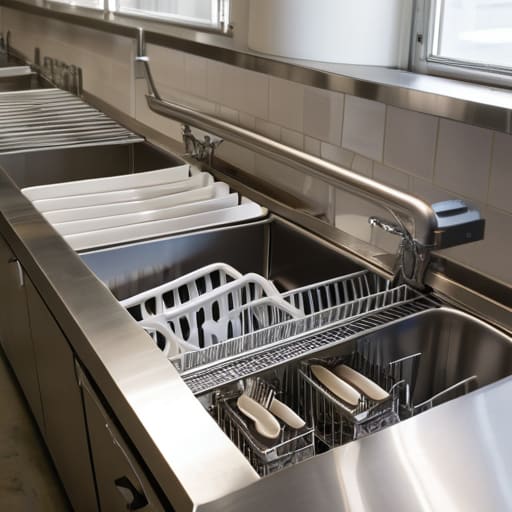
When you’re working in a cramped school kitchen or a small care home facility, space isn’t just a design problem; it’s a workflow problem. Most small kitchen space saving ideas you see on Pinterest involve decorative jars and aesthetic herb pots, but those won’t help you when you’re trying to prep 200 portions of pasta before the bell rings. In a high-pressure environment, real space-saving means verticality. If you have the wall space, use it for heavy-duty, stainless steel open shelving. It gets your most-used equipment—the prep bowls, the tongs, the heavy-duty whisking sets—off the limited counter space and right where your hands can find them without a frantic search through a cluttered drawer.
However, there is a massive difference between styling open kitchen shelves for a magazine and setting them up for a service. If you’re going to commit to this, you have to be disciplined. I always tell my teams: if it’s on the shelf, it must be clean, it must be dry, and it must be used daily. If you start putting “just in case” items up there, you’re just creating more surfaces for dust and grease to settle on. Stick to the essentials, keep the rotation tight, and you’ll find that the accessibility actually reduces the chaos during the lunch rush.
Five ways to make open shelving work without inviting a disaster
- Stop the clutter before it starts. If you’re going open, you cannot treat those shelves like a junk drawer. Every single item needs a designated home; if you don’t have a specific spot for that stack of prep bowls, they’ll end up migrating across the counter, creating a chaotic environment where things get knocked over and cross-contamination becomes a guessing game.
- Master your cleaning sequence. With closed cabinets, you can hide a bit of dust or a stray splash, but with open shelving, the grime is staring you in the face. You need to build a dedicated five-minute wipe-down into your end-of-service routine, otherwise, you’ll find a fine layer of grease and dust settling on your “clean” plates.
- Use height to your advantage, but keep it practical. I see kitchens try to use the very top shelf for decorative items that nobody can reach; in a high-pressure service, that’s just wasted space. Use the high shelves for the stuff you only need once a week, and keep your high-turnover items at eye level so you aren’t hunting for them when the lunch rush hits.
- Control your allergens through visual separation. One practical benefit of open shelving is that you can actually see what is what. I recommend using distinct, clearly labelled containers for high-risk ingredients like flour or nuts. If they are sitting in clear, easy-to-read bins on an open shelf, your staff is far less likely to grab the wrong thing in a rush.
- Mind the “dust trap” factor. If you’re working in a school or care setting, your hygiene standards are under a microscope. Avoid using open shelving for anything that isn’t easily washable or easy to wipe down. If it’s a porous material or a weirdly shaped piece of equipment that collects debris in the crevices, keep it behind a door.
The Bottom Line on Open Shelving
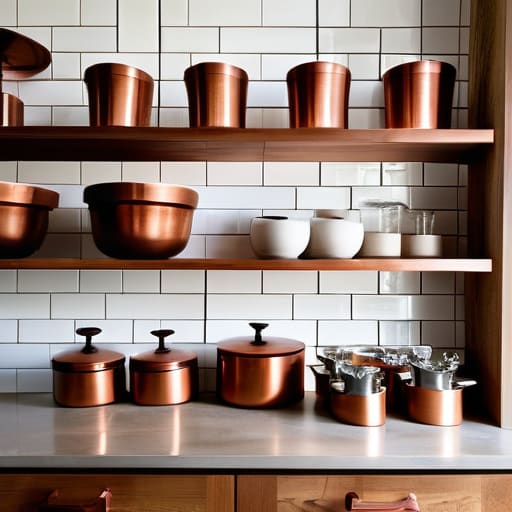
At the end of the day, open shelving isn’t a magic wand for your kitchen layout, but it is a tool that works if you have the discipline to use it. We’ve looked at how it can save precious square footage in a cramped school kitchen and how that instant visibility can actually help you spot a misplaced allergen container or a dusty surface before it becomes a problem. However, the “visibility advantage” only works if you commit to a rigorous cleaning sequence. If you choose to ditch the cupboard doors, you are essentially making a pact with your staff: you are trading the “out of sight, out of mind” luxury for a system that requires constant, disciplined maintenance to prevent dust and grease from settling on your essential kit.
I don’t want you to install open shelving just because it looks modern or “clean” in a design catalogue. I want you to install it if it helps your team work faster, see their tools more clearly, and maintain a flow that doesn’t break down during the lunch rush. Kitchen management is rarely about finding the perfect aesthetic; it is about finding the sustainable rhythm that keeps the food safe and the service moving. If you can commit to the extra five minutes of wiping down those shelves every single shift, then go for it. Build a kitchen that serves your people, not just your eyes, and you’ll find that true efficiency follows.