I remember standing in a school kitchen three years ago, watching a midday service spiral into chaos while a young cook tried to explain why they couldn’t find the “gluten-free” toaster. It wasn’t a lack of heart that was the problem; it was a total breakdown of the physical space. Most people think managing coeliac requirements is about buying expensive, branded ingredients, but that’s a myth that ignores the reality of a busy service. When we talk about how coeliac disease affects catering, we aren’t talking about fancy labels; we are talking about the invisible danger of a shared wooden spoon or a crumb on a prep surface that no amount of expensive flour can fix.
I’m not here to give you a lecture on theoretical microbiology or a list of products you can’t afford. My promise to you is much more practical: I’m going to show you how to build a defensible workflow that works even when you’re short-staffed and the lunch bell is about to ring. We are going to focus on the small, boring, and highly effective controls—like cleaning sequences and dedicated equipment—that actually keep your students safe without breaking your budget.
Table of Contents
Beyond the Label Realities of Safe Food Preparation for Coeliacs
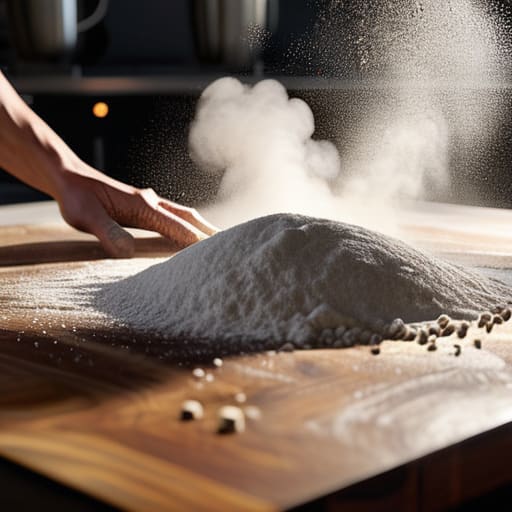
The problem isn’t that your staff doesn’t know what gluten is; it’s that they don’t know how it moves. I’ve stood in kitchens where the chef is well-meaning, but they’re using the same slotted spoon for pasta and then for a gluten-free substitute. That’s not a lack of knowledge, it’s a breakdown in preventing cross-contamination in catering. When you are rushing to get lunch out to three hundred kids, the “small” things—the shared toaster, the flour dust hanging in the air, the wooden chopping board with deep grooves—become invisible.
You have to stop treating gluten-free orders as a “special request” and start treating them as a workflow requirement. This means your gluten-free kitchen protocols shouldn’t just be a laminated sheet in a folder; they need to be baked into how the station is set up. If you’re working with limited space, you can’t rely on hope. You need dedicated equipment, or at the very least, a strict sequence of preparation where the highest-risk items are handled first and cleaned with absolute precision. It’s about making the safe way the easiest way to work.
Why Gluten Free Menu Planning Fails Without Physical Boundaries
The problem with most gluten-free menu planning is that it treats the recipe as the entire solution. You can buy the most expensive certified gluten-free flour on the market, but if you’re whisking it in the same bowl used for wheat flour ten minutes earlier, you haven’t actually made a safe meal. I’ve seen kitchens where the staff are well-meaning but exhausted, and in that rush, they treat “gluten-free” as just another dietary preference, like a dislike of onions. It isn’t. When we talk about preventing cross-contamination in catering, we aren’t talking about being fussy; we are talking about physical separation.
If you don’t have dedicated space, you need a sequence. You cannot have a “gluten-free zone” that is actually just a corner of a prep table that hasn’t been scrubbed properly. Without strict gluten-free kitchen protocols—like color-coded boards or, more realistically, a dedicated prep window when the kitchen is at its quietest—you are essentially gambling. You need to create physical boundaries that survive the midday rush, because a stray dusting of flour on a shared surface is enough to trigger a reaction.
Five Non-Negotiables for a Kitchen Under Pressure
- Stop treating gluten-free as a ‘special request’ and start treating it as a separate workflow. If your chef is prepping a gluten-free pasta in the same pot they just used for standard spaghetti—even if they rinsed it—you haven’t managed the risk; you’ve just ignored it.
- Your cleaning sequence is your best defence. You can’t just wipe a bench down with a damp cloth and call it a day. If there’s flour dust in the air or on the cutting boards, that’s where the cross-contact happens. Clean, dry, and sanitise specifically before the GF prep begins.
- Watch your shared equipment like a hawk. Toasters, sandwich presses, and even those wooden spoons that look ‘clean’ are minefields. If you can’t afford dedicated gluten-free equipment for every station, you need a strict, timed protocol for deep-cleaning shared tools, and I mean deep.
- The ‘hidden’ ingredients will trip you up when you’re busy. I’ve seen kitchens get everything right until they grab a pre-made stock cube or a seasoning mix that suddenly contains wheat as a thickener. If it’s in a new batch or a new brand, check the label. Don’t assume.
- Communication isn’t just about the server knowing the menu; it’s about the person at the pass knowing exactly which plate is the safe one. If you don’t have a visual marker—a different coloured plate or a specific sticker—the wrong meal will go to the wrong child every single time.
The Bottom Line: What Actually Keeps a Coeliac Child Safe
Stop treating “gluten-free” as a special ingredient and start treating it as a strict workflow; if your prep area is a free-for-all, the label on the box doesn’t matter.
You don’t need a dedicated, million-pound kitchen, but you do need non-negotiable physical boundaries—separate boards, dedicated utensils, and a cleaning sequence that isn’t skipped when the lunch rush hits.
Documentation isn’t just for my inspections; it’s your safety net. If you haven’t recorded that the toaster was cleaned or that the flour was stored on the bottom shelf, you haven’t actually managed the risk.
Frequently Asked Questions
I know we've talked about boundaries, but how do I actually manage this when my kitchen is tiny and there's no separate prep area?
Look, I’m not going to tell you to build a second kitchen. You don’t have the budget or the square footage, and pretending you can is how people get hurt. If you’re working in a cramped space, you manage risk through strict sequencing. Prep your gluten-free items first thing in the morning after a deep clean, before the flour or bread even touches the counters. Use dedicated, colour-coded equipment that stays in a specific bin. It’s about timing, not just space.
If I'm running short-staffed, what are the absolute non-negotiables I can't afford to skip in the allergen workflow?
If you’re shorthanded, stop trying to do everything and focus on the high-risk failures. First, the “clean-as-you-go” rule isn’t a suggestion; if you don’t have time to wipe a surface properly, you don’t have time to prep that gluten-free meal. Second, never, ever use the same utensils for bread and everything else—even if you “just used it for a second.” If you can’t guarantee the separation, don’t serve it.
How do I handle the paperwork and communication side of things without it becoming a mountain of useless box-ticking that slows the team down?
Stop trying to document everything and start documenting the things that actually matter. If your allergen folder is three inches thick, no one is reading it during a lunch rush. Instead, move to single-page, high-impact checklists: a daily allergen swap sheet and a clear, visual handover log. If the communication isn’t happening at the prep station or during the briefing, the paperwork is just a lie you’re telling yourselves for the inspector.