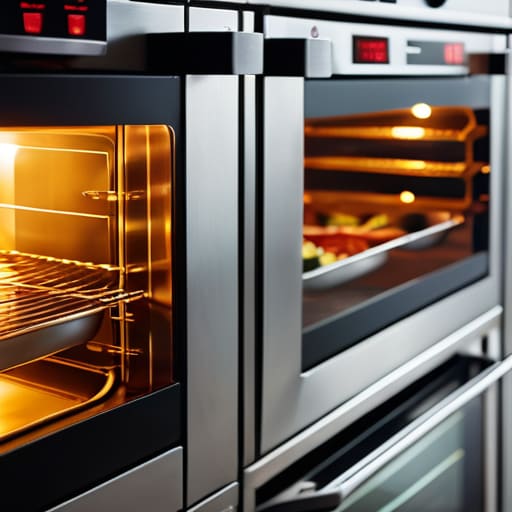
I’ve spent far too many Tuesday mornings standing in sweltering, cramped kitchens, watching a stressed-out cook struggle with a piece of equipment that was clearly “too smart” for its own good. Salespeople will try to sell you on touchscreens, programmable recipe presets, and every bells-and-whistles gadget under the sun, but they never mention what happens when that screen fails during a lunch rush or how impossible it is to scrub a digital interface at 2:00 PM. When you are trying to figure out how to choose commercial ovens, you shouldn’t be looking for the most advanced piece of tech; you should be looking for the one that won’t break your cleaning schedule or your budget.
I’m not here to give you a glossy brochure or a list of features that look good on a spec sheet but fail in the real world. Instead, I’m going to give you the practical, unvarnished truth about what actually matters: durability, ease of calibration, and cleaning sequences that a tired team can actually maintain. I will show you how to match an oven to your specific capacity and staffing levels so that you aren’t left with a high-tech paperweight when you actually need to get meals on the table.
Table of Contents
Convection vs Combi Ovens Realism Over Shiny Features
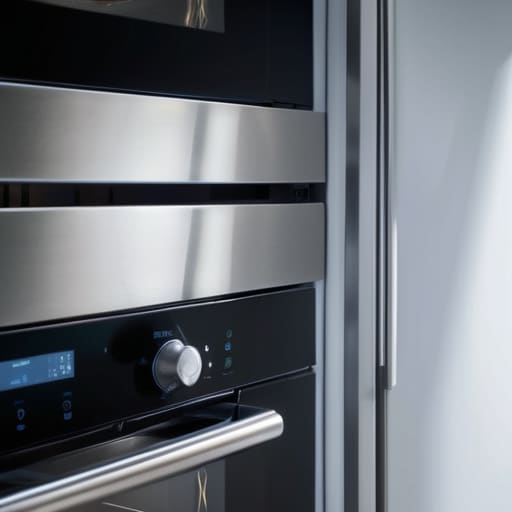
When you’re looking at convection vs combi ovens, the glossy brochure will always try to sell you on the “magic” of the combi. And look, I’m not saying a combi is a bad investment; they are incredible pieces of kit if you have the staff to manage them. But here is the reality of kitchen workflow optimization: a combi oven is a complex, high-maintenance beast. It requires precise steaming levels, regular descaling, and a level of technical understanding that your part-time prep cook might not have at 7:00 AM on a Monday.
If your menu is straightforward—think roasting trays of chicken or baking batches of muffins—a standard convection oven is often the smarter play. They are rugged, they are easier to clean, and frankly, your commercial oven maintenance costs will be significantly lower over the next five years. Don’t let a salesperson convince you that you need a multi-function steam powerhouse just to heat up pasta sauce. Buy the machine that matches the skill level of the people standing in front of it, not the one that looks best in a showroom.
Kitchen Workflow Optimization Through Smarter Equipment Procurement
When you’re looking at commercial kitchen equipment procurement, don’t just look at the spec sheet; look at the floor plan. I’ve walked into enough school kitchens to know that a high-end oven is a paperweight if it forces your staff to cross paths every time they need to grab a tray. If your oven is tucked into a corner where the prep team is constantly tripping over the person loading the rack, you haven’t bought a tool—you’ve bought a bottleneck. True kitchen workflow optimization means placing the heat where the movement is natural, ensuring the path from the prep station to the oven is a straight line, not an obstacle course.
You also need to consider the “hidden” labour cost of your gear. I’ve seen teams struggle with complex interfaces that take ten minutes just to program for a simple batch of rolls. If the equipment is too fiddly, your staff will skip the calibration steps or ignore the cleaning cycle entirely just to keep up with the lunch rush. When you’re weighing up commercial oven maintenance costs, remember that a simpler, more rugged machine is often cheaper in the long run because it actually gets used correctly. Pick something that fits the rhythm of your service, not something that dictates it.
Five Things Your Sales Rep Won't Tell You (But Your Cleaning Crew Will)
- Check the accessibility of the heating elements and fans. I’ve seen too many “state-of-the-art” ovens that are a nightmare to strip down for a deep clean; if your team can’t reach the grime, they won’t clean it, and that’s when you start seeing carbon buildup and uneven cooking.
- Prioritise easy calibration over fancy presets. A touchscreen with fifty different programmed recipes looks great in a showroom, but if the internal temperature sensor is a pain to calibrate or verify, your HACCP logs will eventually become a work of fiction.
- Look for a model that matches your actual service window. Don’t buy a massive, high-recovery oven if you’re only pushing out two hundred school lunches in a ninety-minute window; you’ll end up wasting energy and space on capacity you’ll never actually use.
- Evaluate the “footprint of maintenance.” When you’re choosing an oven, don’t just look at the dimensions of the unit itself, but look at how much space you need around it to actually pull it out for service or to clean the floor behind it.
- Demand a “stress test” on the door seals and gaskets. In a high-volume kitchen, the door is opened hundreds of times a day; if the seal is flimsy or difficult to replace, you’ll be fighting heat loss and inconsistent temperatures within six months.
The Bottom Line: Buy for the Staff You Have, Not the Kitchen You Want
Stop chasing every “smart” feature on the spec sheet; if a piece of kit is too temperamental for your team to calibrate or clean properly during a busy service, it’s a liability, not an asset.
Prioritise ease of maintenance and cleaning sequences over sheer capacity; an oven that sits idle because it’s too complicated to reset or too difficult to scrub is a waste of your budget.
Match the technology to your actual menu and staffing levels—if you don’t have the hands to manage a complex combi oven daily, stick to a rugged convection model that does one thing reliably.
Frequently Asked Questions
I can afford a high-end combi oven, but is the extra maintenance and specialized training actually worth it for a kitchen with my current staffing levels?
If you’re running a skeleton crew, a high-end combi is a double-edged sword. Yes, the cooking versatility is unmatched, but if your team hasn’t been trained to the teeth on daily cleaning cycles and probe calibration, that expensive machine will become a glorified, crusty metal box within six months. Don’t buy the tech if you can’t afford the time for the upkeep. If you can’t commit to the maintenance, stick to something simpler.
How often am I actually going to be calibrating these temperature probes, and what happens to my food safety logs if the oven's digital sensor fails?
If you’re waiting for a scheduled maintenance day to check your probes, you’ve already lost the battle. I want to see you doing a quick ice-water check once a week—it takes two minutes and stops a disaster before it starts. And if that digital sensor dies? Don’t panic, but don’t wing it. Fall back on your manual probe and your paper logs immediately. If it isn’t written down, in my eyes, it didn’t happen.
If we're working with a tight, cramped space, should I prioritize a single large oven or multiple smaller units to keep the workflow moving during the lunch rush?
If you’re squeezed into a tight space, don’t go for one massive oven just because it looks efficient on paper. In a school kitchen, a single point of failure is a nightmare; if that one oven goes down or a tray gets stuck, your entire service stops. I’d rather see two smaller, reliable units. It gives you flexibility to stagger cooking and, more importantly, keeps the workflow moving when one unit is being cleaned or recalibrated.