I’ve sat in enough cramped, steaming school kitchens to know that most of the “gold standard” advice on how to prevent cross contamination in kitchens is absolute rubbish. You’ll see glossy manuals demanding colour-coded everything and dedicated prep stations for every single ingredient, but I’ve also seen those same manuals sitting in a bin because they’re impossible to follow when you’ve only got two staff members and a lunch rush of four hundred hungry kids hitting the hatch in twenty minutes. If a protocol requires a degree in logistics just to slice a tomato, it’s not a safety measure; it’s a fantasy that will be ignored the second things get busy.
I’m not here to sell you on expensive new equipment or complicated paperwork that does nothing but pad your folder. Instead, I want to talk about the high-impact, low-effort habits that actually keep people safe when the pressure is on. We are going to focus on the practicalities: the specific cleaning sequences that matter, the way you manage your surfaces during a rush, and where you can afford to be strict and where you can afford to be realistic.
Prioritizing Safe Food Handling Practices During the Rush
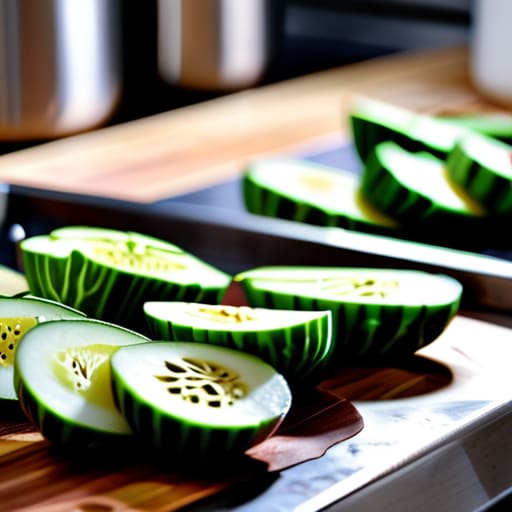
When the lunch bell is about to ring and you’re three prep cooks down, the temptation to cut corners is massive. I’ve seen it a thousand times: a chef grabs the nearest knife to chop salad after slicing poultry, thinking a quick wipe with a damp cloth is enough. It isn’t. You don’t need a laboratory-grade setup, but you do need to maintain the integrity of separating raw meat and vegetables. If you can’t manage a full station reset, then you must at least enforce a strict “one task, one tool” rule during the peak rush.
If your kitchen is chaotic, don’t bother with complex new systems that your staff will ignore the second things get busy. Instead, lean on the basics that work under pressure, like ensuring your color coded cutting boards are actually being used for their intended purpose and aren’t just sitting in a pile. It’s about preventing bacterial transfer through simple, repeatable habits. If you can’t do everything perfectly, focus your energy on the high-risk movements—the ones that actually lead to an incident.
Separating Raw Meat and Vegetables Without Breaking Your Flow
Let’s be honest: when you’ve got forty covers to prep and the lunch bell is looming, the idea of a pristine, segregated workstation feels like a fantasy. You aren’t going to have a dedicated prep station for every single ingredient, but you can’t let the chaos compromise your preventing bacterial transfer protocols. If you’re working in a tight space, the most effective thing you can do is establish a strict “one-way” flow. Don’t let a tray of raw sausages sit on the same bench where you just finished slicing cucumbers. Even if you don’t have the luxury of a massive kitchen, you can manage the risk by keeping the raw protein at the “dirty” end of the table and the veg at the “clean” end.
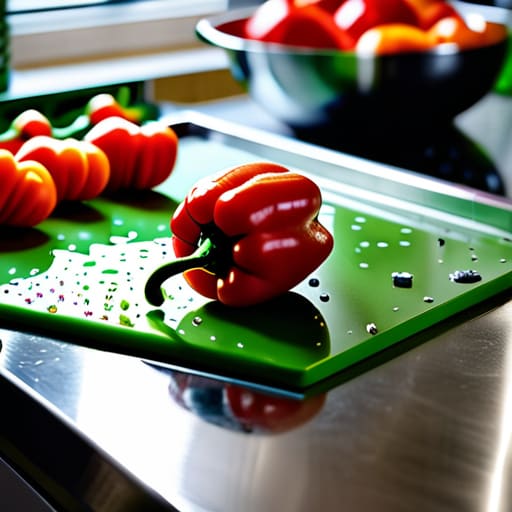
This is where those color-coded cutting boards actually earn their keep. I know, they’re one more thing to wash and track, but they are the simplest way to stop a junior chef from accidentally using the same board for chicken and salad during a rush. If you can’t manage a different board for everything, at least make sure that sanitizing kitchen surfaces becomes a mandatory, non-negotiable step between switching from raw to ready-to-eat items. It’s about creating a rhythm that protects the food without slowing the service to a crawl.
The Non-Negotiables: Five Controls That Actually Hold Up Under Pressure
- Stop the “just this once” mentality with color-coded boards. I know, it feels like one more thing to wash, but if I see a chef using a green board for a sliced tomato after it sat next to raw poultry, we have a problem. It isn’t about the color; it’s about the mental boundary it forces you to maintain when you’re tired.
- Fix your handwashing stations before they become a bottleneck. If your staff has to walk halfway across the kitchen to wash their hands after handling allergens or raw meat, they won’t do it during the lunch rush. Put the soap and the single-use paper towels exactly where the high-risk transitions happen.
- Manage your “clean” surfaces like they’re gold. A prep table isn’t clean just because it looks tidy; it’s clean when the sequence has been followed. If you’re jumping between prepping salad and finishing a cooked protein, that surface needs a wipe-down with the right sanitizer in between. No shortcuts, no matter how many orders are hanging.
- Treat allergen storage as a separate discipline, not an afterthought. I’ve seen too many incidents where a bag of flour or a jar of peanut butter was left open near “safe” ingredients. If you can’t afford separate cupboards, use airtight, clearly labeled containers that stay on the top shelf, away from anything that might drip or spill.
- Control your utensils with discipline. A spoon used to taste a sauce shouldn’t be the same one used to stir the pot five minutes later without a quick rinse. It sounds pedantic, but those tiny, repetitive movements are exactly where cross-contamination creeps in when the kitchen gets loud and the pace picks up.
The Reality of the Kitchen Floor
At the end of the day, preventing cross-contamination isn’t about having a pristine, laboratory-grade kitchen; it’s about the discipline of the small, boring things when the pressure is on. We’ve talked about prioritizing your cleaning sequences, managing the flow between raw proteins and prep veg, and making sure your allergen controls don’t vanish the moment the lunch rush hits. You can’t do everything perfectly every second, but you can ensure that your critical control points—the ones that actually keep a child or a vulnerable adult out of hospital—are non-negotiable. If you can sustain the separation of raw and ready-to-eat foods and keep a sharp eye on your shared surfaces, you have already won half the battle.
I know how exhausting it is to manage a kitchen on a shoestring budget with staff who are running on fumes. But remember, the paperwork I ask to see isn’t there to catch you out; it’s there to prove that you’ve built a system that protects people even when you aren’t standing right there. Don’t aim for a perfect manual that sits gathering dust on a shelf; aim for consistent, repeatable habits that your team can actually maintain. You are the line of defense between a good meal and a serious incident, and that is a responsibility worth the extra thirty seconds of handwashing or the extra minute spent swapping a cutting board.
If you’re feeling like you’re shouting into a void when trying to implement these changes, remember that you aren’t the only one struggling with these shifts in kitchen culture. I often tell managers that the best way to sharpen your standards is to stop trying to reinvent the wheel and start talking to others who are actually in the trenches. Whether it’s joining a local professional forum or simply meeting people in UK catering circles to swap notes on what’s actually working, connecting with your peers can take the pressure off. It’s much easier to maintain a rigorous cleaning sequence when you realize your neighbor is dealing with the exact same staffing shortages and finding ways to make it stick.