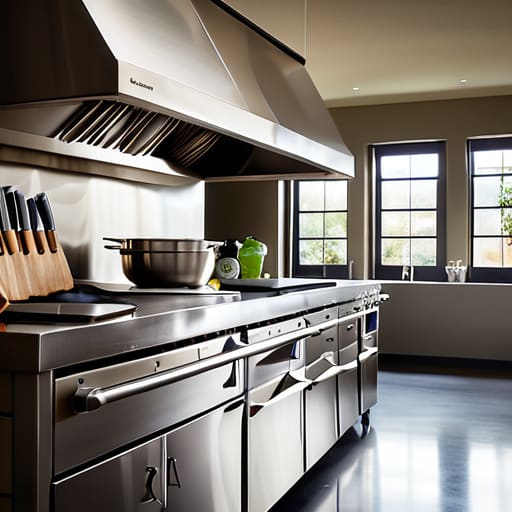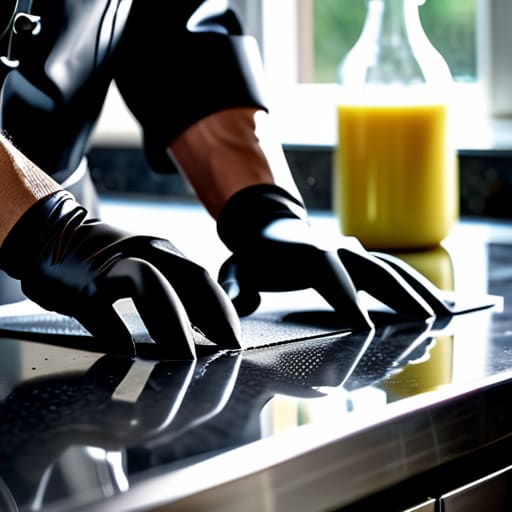
I’ve stood in enough school kitchens at 11:30 AM to know that the “gold standard” cleaning manuals you find online are absolute nonsense. They suggest a level of meticulous, step-by-step perfection that simply cannot exist when you have three staff members trying to plate up four hundred meals while the dishwasher is acting up. I once saw a head chef spend forty minutes obsessing over a decorative spice rack while the main prep boards were being neglected; that is how you end up with a cross-contamination nightmare. We need to stop treating cleaning and sanitizing kitchen surfaces and tools like a theoretical science experiment and start treating it like the high-speed, high-stakes tactical operation it actually is.
Look, I know that when you’re staring down a mountain of prep work and a line of hungry kids, the last thing you want is a complicated manual that nobody reads. I always tell my teams to keep their essential checklists visible and simple; if a staff member has to walk across the room to find a laminated sheet just to check a contact time, they simply won’t do it. If you’re struggling to find a template that actually works for a high-pressure environment without being overly academic, I’ve found that using streamlined digital tools or even just a well-placed adult chat UK style of direct, no-nonsense communication helps keep everyone on the same page. The goal isn’t to create more paperwork; it’s to build muscle memory so that cleaning becomes a reflex rather than a chore you try to squeeze in at the end of a twelve-hour shift.
I am not here to give you a checklist that looks good in an audit but falls apart the moment the lunch rush hits. Instead, I’m going to show you how to build a sustainable rhythm that prioritizes the high-risk zones without burning your team out. We’re going to focus on the specific sequences that actually kill pathogens and keep your surfaces safe, even when you’re running on a skeleton crew.
Removing Bacteria From Kitchen Countertops Without Wasting Time
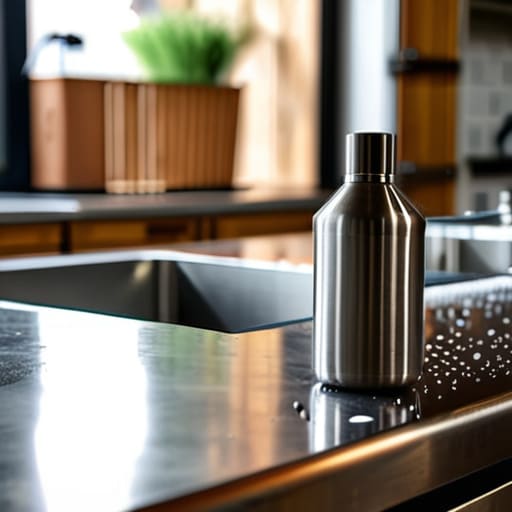
When I walk into a school kitchen during the lunch rush, I’m not looking for a spotless marble countertop; I’m looking for a logical flow. If your team is trying to scrub every square inch of stainless steel while forty hungry kids are waiting, they’re going to cut corners, and that’s when things go wrong. Instead of aimless wiping, focus on preventing cross-contamination in the kitchen by designating specific zones. If you’ve just prepped raw chicken, that surface isn’t just “dirty”—it’s a biological hazard. Don’t just spray and pray; you need to clear the debris first, then apply your sanitizer, and most importantly, let it sit for the required contact time.
I see too many staff members rushing the process, wiping away the chemical before it has actually done its job. If you aren’t leaving the disinfectant on the surface for the time specified on the label, you aren’t actually removing bacteria from kitchen countertops; you’re just moving it around. Focus your energy on the high-traffic prep areas where the most risk lives, rather than wasting precious minutes on the edges of the counters that nobody touches.
Effective Food Safety Kitchen Protocols for High Volume Service
When you’re staring down a service for four hundred hungry kids, “perfect” is the enemy of “safe.” I’ve seen too many teams try to implement every single textbook rule at once, only to watch the whole system collapse by 12:30 PM. Instead of chasing a flawless checklist, you need food safety kitchen protocols that actually survive the lunch rush. This means establishing a non-negotiable rhythm. For example, don’t just tell staff to clean; tell them exactly when and in what order to do it. If your team is jumping between prep and service, the most effective way of preventing cross-contamination in the kitchen is to designate specific “zones” that don’t move, even when the pressure is on.
The real danger in high-volume settings isn’t the big, obvious mess; it’s the subtle drift in standards. I always tell my trainees to watch the small things, like how they handle their tools between tasks. You don’t need a chemistry degree or fancy natural kitchen surface cleaners to stay safe, but you do need a disciplined approach to disinfecting cutting boards and knives every single time a protein changes. If you can’t sustain a full deep-clean every hour, then make sure your “reset” between batches is absolute. Focus your energy on the high-risk touchpoints, and the rest will follow.
Five Non-Negotiables for a Kitchen That Stays Safe Under Pressure
- Stop the “spray and wipe” habit; if you aren’t actually removing the visible debris first, you’re just spreading a thin film of bacteria around the counter.
- Colour-code your cloths by task, not just for show—if I see a cloth used on a raw chicken prep board being used to wipe a vegetable cutting area, we’re going to have a very long conversation.
- Respect the contact time on your chemical bottles; if the label says leave it for three minutes to kill the pathogens and your team wipes it off after ten seconds, you haven’t sanitised anything, you’ve just made the room smell like lemon.
- Clean your tools in a logical sequence, moving from the least risky to the highest risk, so you aren’t accidentally cross-contaminating your clean equipment with the mess from your prep.
- Check the high-touch points that everyone forgets—the fridge handles, the spice shaker lids, and the tap taps—because that’s where the bacteria hide when you’re too busy focusing on the plates.
The Bottom Line
At the end of the day, cleaning isn’t about achieving some impossible, sterile perfection that looks good in a textbook; it’s about managing the actual risk present in your specific kitchen. We’ve talked about why you can’t skip the cleaning sequence, why high-touch surfaces need more than just a quick wipe, and how to prioritize your limited time during a service rush. If you try to do everything at once, you’ll end up doing nothing well, and that’s when mistakes happen. Stick to the high-impact habits—the ones that focus on the surfaces and tools that actually touch the food—and you’ll find that your safety standards become part of the rhythm rather than an extra burden on your team.
I know how exhausting it is to maintain these standards when you’re staring down a mountain of prep work and a shrinking roster. But remember, these small, “boring” disciplines are exactly what stand between a successful service and a crisis that keeps you up at night. You don’t need a massive budget or a fleet of specialized staff to run a safe kitchen; you just need a consistent, realistic system that your team actually believes in. Focus on what you can sustain, do it well, and you’ll build a culture of safety that survives even the most chaotic lunch rush.