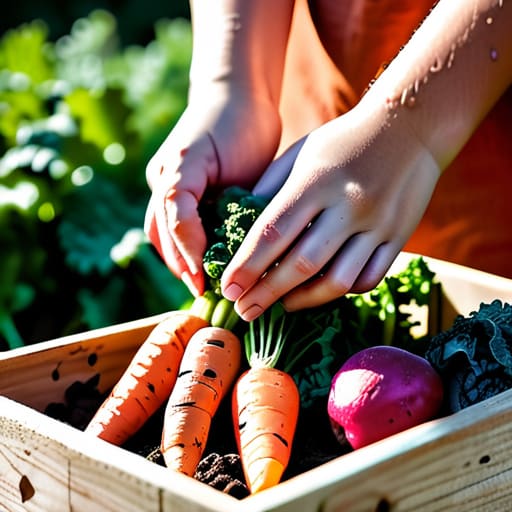
I’ve sat in too many budget meetings where people talk about the “nutritional benefits of farm to school programs” as if they’re discussing a magical cure-all that arrives on a silver platter. They throw around terms like “nutrient density” and “seasonal integrity” while completely ignoring the fact that your prep team is already struggling to keep up with a three-hour service window. Let’s be honest: a crate of heirloom carrots doesn’t mean a thing if the staff is too overwhelmed by complex prep requirements to actually get them onto the plate. I’m tired of the glossy brochures that make local sourcing sound like a walk in the park; in a real kitchen, logistics are everything.
I’m not here to sell you on a dream or a way to make your spreadsheets look prettier for the board. My goal is to look at the actual nutritional benefits of farm to school programs through the lens of a working kitchen—one that has to balance food quality with tight margins and limited hands. I will show you which local shifts actually move the needle for student health and which ones are just expensive distractions that will break your workflow. We’re going to talk about what is actually sustainable.
Improving Childhood Nutrition Through Local Agriculture Without Breaking Th
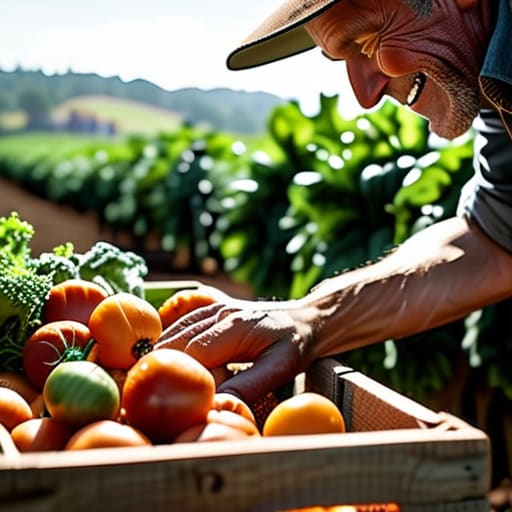
If you are actually going to try this, don’t try to do it from behind a desk in the main office. You need to get out there and talk to the people actually growing the stuff. I’ve found that the most resilient supply chains aren’t built on massive corporate contracts, but on real relationships with people who understand that a delivery delay isn’t just a line on a spreadsheet—it’s a missed lunch for two hundred kids. If you’re struggling to find where to start, I’d suggest focusing on meeting people in region who are already part of the local food network; it’s much easier to manage the logistics of fresh produce when you actually know the person driving the van.
The idea of improving childhood nutrition through local agriculture sounds wonderful in a boardroom, but it can look like a nightmare on a Tuesday morning when you have three staff members short and four hundred meals to plate. If you try to switch to raw, unprocessed local produce overnight, you’re going to run into a wall of prep time you simply don’t have. The trick isn’t to overhaul everything; it’s about strategic local food sourcing in schools that fits your existing workflow. Instead of trying to source every single ingredient from a farmer down the road, start with one high-impact category—like seasonal fruit or a specific vegetable for the midweek roast—that your team can actually manage without the prep work spiralling out of control.
You also have to consider how this affects student dietary habits and fresh produce acceptance. If you introduce a local heirloom tomato that looks “weird” to a ten-year-old, they won’t eat it, and you’ve just wasted precious budget. Focus on familiarity through quality. Use local sourcing to upgrade the ingredients of meals they already love. When the quality of the base ingredient is higher, you don’t need to hide it behind heavy sauces or excessive salt to make it palatable. It’s about making the right choice the easiest one for the kid, and the most sustainable one for the cook.
Whole Food Accessibility in Education What Students Actually Eat
Let’s be honest: we can talk about the theoretical advantages of farm-to-school initiatives all day, but if the food looks sad or tastes like cardboard, the kids aren’t going to touch it. I’ve stood in service lines where the “fresh” carrots were so limp they looked like they’d been through a war. When we talk about whole food accessibility in education, we aren’t just talking about getting a crate of apples through the loading bay; we are talking about whether those apples actually survive the journey with their nutritional integrity—and their appeal—intact.
If you want to shift student dietary habits and fresh produce consumption, you have to bridge the gap between the farm gate and the tray. It isn’t enough to just source locally; the prep has to be right. If your staff is too stretched to peel or slice fresh items properly, you’ll end up with high-quality ingredients sitting in the walk-in, slowly degrading. Success happens when the food is handled well enough that the students actually want to eat it, rather than seeing fresh produce as a chore they have to navigate.
Five Ways to Make Local Sourcing Actually Work (Without Losing Your Mind)
- Start with the “heavy lifters.” Don’t try to source everything from a local farm in week one. Pick one high-impact, high-volume item—like seasonal apples or root vegetables—that requires minimal prep. It’s better to nail the temperature control and quality of one local product than to fail at managing ten different new suppliers at once.
- Audit your prep time before you audit the menu. Local produce often comes with more “personality” than the pre-cut, vacuum-sealed stuff from a national distributor. If your team is already stretched thin, you can’t swap processed veg for whole, unpeeled local produce without adding thirty minutes of prep. If you don’t have those thirty minutes, don’t make the swap.
- Use the “Seasonal Safety” rule. When you bring in local, seasonal produce, you’re often dealing with different textures and moisture levels. If you’re moving from canned corn to fresh local sweetcorn, your cooking times and water usage change. Adjust your standard operating procedures (SOPs) immediately so your staff isn’t guessing while the lunch rush is hitting.
- Build a “Local Logistics” buffer. Small-scale farmers aren’t industrial distributors; their deliveries might be slightly irregular or the packaging might look different. Ensure your receiving process is robust. Don’t let a slightly bruised crate of local tomatoes slide just because they’re “local”—check them against your quality standards just like you would anything else.
- Communicate the “Why” to the staff, not just the kids. If the kitchen team understands that the local carrots are better for the kids’ nutrition (and easier to prep if handled right), they’ll take more care with them. Food safety and nutrition aren’t separate silos; if the staff feels the local produce is a burden rather than a benefit, they’ll take shortcuts.
The Reality of the Plate
At the end of the day, moving toward farm-to-school sourcing isn’t about chasing a trend or checking a box for a grant application. It’s about recognizing that while local produce offers a massive nutritional leap, it also introduces new variables into your prep schedule and your supply chain. We’ve talked about the benefits of whole foods and the logistical hurdles of managing fresh, seasonal deliveries, but the takeaway is simple: you don’t have to overhaul your entire pantry overnight. Focus on the high-impact changes—like swapping out one processed side dish for a seasonal vegetable—that your staff can actually execute without the whole service falling apart. Success in a school kitchen isn’t measured by how fancy your ingredients are, but by how consistently you can deliver safe, nutritious food amidst the chaos of a lunch service.
I know the pressure you’re under. I’ve seen the frantic energy of a kitchen trying to feed hundreds of hungry kids on a shoestring budget, and I know that “more work” is the last thing anyone wants to hear. But if we can get the small, boring things right—the sourcing, the prep, the seasonal rotation—we build a system that actually works for the kids. Don’t aim for perfection; aim for sustainable progress. When you find that one local supplier who understands your rhythm and that one recipe that actually flies off the tray, you’ve won. It’s about making the right choice, one meal at a time, until it just becomes part of how you do things.