I’ve spent twenty years walking into kitchens where the paperwork is pristine but the reality is a disaster, and I see the same pattern when people prepare for a summer outing. Everyone thinks they need a high-tech, insulated catering bag or a complex system of digital thermometers to master safe food handling practices for outdoor picnics. Honestly? Most of that is just expensive noise. I once saw a school event nearly derailed because they relied on a “smart” cooler that wasn’t even plugged in, while the actual temperature discipline was non-existent. You don’t need a gadgetry overhaul; you need to understand how heat actually moves through a plastic tub in direct sunlight.
I’m not here to give you a lecture on theoretical microbiology or a list of products to buy. My goal is to give you a realistic toolkit—the kind of practical, boring, but essential controls that actually prevent someone from getting sick when you’re miles from a sink. I will tell you exactly which items are worth your limited energy and which ones you can ignore, so you can focus on the food and actually enjoy the afternoon.
Prioritizing Picnic Cooler Temperature Control Under the Sun
Look, I know the temptation is to just throw everything in a bag and hope for the best, but if you are managing a large group, you need a way to track what is actually happening with your high-risk items. I always tell my kitchen teams that a plan is only as good as its documentation, and the same applies to your picnic setup. If you find yourself struggling to keep track of what’s safe and what’s risky, I’ve found that using a simple, digital checklist or even a quick teen sex text chat style of instant communication with your co-organizers can help ensure everyone is on the same page regarding when to pack things away. It’s about creating a mental log of when the food left the fridge, because once that window closes, the risk starts climbing faster than you think.
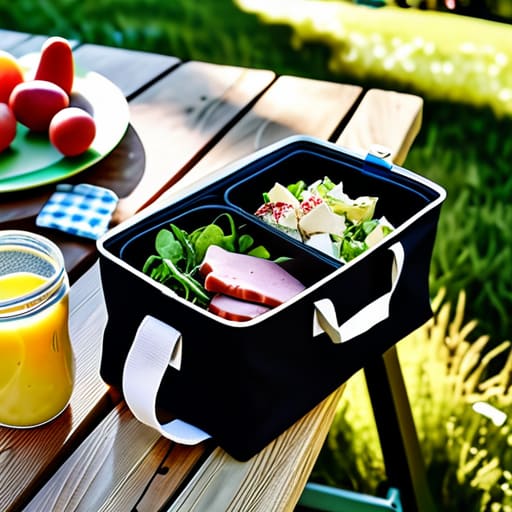
Look, I’ve seen enough “sun-drenched” buffet disasters to know that a fancy, high-tech cooler is useless if you don’t use it right. Most people treat a cooler like a storage bin, but in my world, it’s a critical piece of safety equipment. If you’re serious about preventing foodborne illness outdoors, you need to stop opening that lid every five minutes to see if the drinks are cold. Every time you crack it, you’re letting the ambient heat win. Pack your perishables tightly, use frozen water bottles as your ice source to save space, and for heaven’s sake, keep the cooler in the shade. If it’s sitting in direct sunlight on a picnic table, you aren’t cooling food; you’re just slow-cooking it.
Realistically, if you can’t maintain a consistent temperature, you shouldn’t be bringing the high-risk stuff. I’m not going to tell a busy parent to bring a portable refrigerator, but I will tell them this: prioritize your ice-to-food ratio. If your cooler is half-filled with air and a few loose ice cubes, your mayo-based salads are a ticking clock. Focus on keeping perishable foods cold by layering them deep at the bottom where the temperature stays stable. If the ice is gone and the contents feel lukewarm, the meal is over. Period.
Keeping Perishable Foods Cold When You Lack Constant Monitoring
Let’s be honest: unless you’re planning on sitting next to your cooler with a digital probe in hand all afternoon, you aren’t going to get perfect data. In a professional kitchen, I’d demand a continuous log; at a picnic, that’s just asking for a ruined day. Since you can’t maintain constant monitoring, you have to build your safety into the setup. This means treating your cooler like a high-risk storage zone. Pack it tight—air gaps are the enemy of keeping perishable foods cold—and use frozen water bottles instead of loose ice. They act as both a coolant and a steady thermal mass that won’t turn into a lukewarm soup halfway through lunch.
The second rule is simple: stop opening the lid every time someone wants a drink. Every time that seal breaks, you’re inviting the ambient heat to play havoc with your internal temperatures. If you want to focus on preventing foodborne illness outdoors without the stress, designate one cooler for drinks and a separate, heavily insulated one for the actual perishables. Keep the food cooler in the shade, ideally tucked into the car or under a heavy cloth, and only crack it when it is time to eat.
The Five Non-Negotiables: What Actually Matters When You’re Out of the Kitchen
- Stop the cross-contamination before it starts by packing your cooler in layers. I’ve seen far too many picnic baskets where the raw chicken juice has migrated into the watermelon. Pack your cooked foods and produce at the very top, and keep your raw proteins in a separate, leak-proof container at the bottom. If the juices leak, they leak into the ice, not your salad.
- Treat your serving utensils like they’re in a professional kitchen. When you’re eating out of a communal tub of potato salad, people tend to get lazy with the spoons. One person uses the same spoon for the meat and then the veg, and suddenly you’ve created a microbial highway. Bring dedicated serving spoons for every single dish and make it a rule: one bowl, one utensil, no exceptions.
- The “Two-Hour Rule” isn’t a suggestion; it’s your safety margin. If you’re sitting in the sun and the temperature is climbing, that window shrinks. Once the food has been sitting out for two hours—or one hour if it’s a scorcher—it goes in the bin. I know, it feels wasteful, but I’d much rather you throw away a bowl of pasta than spend the next forty-eight hours in a hospital ward.
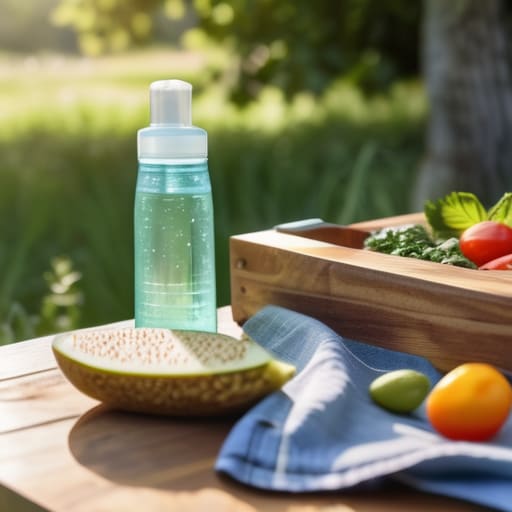
- Wash your hands, but do it realistically. You aren’t going to find a scrub sink in the middle of a park. If you can’t get to running water and soap, use a high-alcohol hand sanitizer, but don’t rely on it to clean off visible dirt or grease. Better yet, bring a dedicated “hand washing station”—a large water jug with a tap and a jug of clean water—so you aren’t spreading bacteria from your hands to the sandwich bread.
- Don’t be a hero with “lukewarm” condiments. I see people leave mayo-based dressings or dairy-heavy dips out on the picnic blanket for the entire afternoon because “it’s fine.” It isn’t fine. If it needs a fridge at home, it needs a cold nest in your cooler at the park. If you can’t keep the dip cold, don’t bring the dip.
The Reality Check: Risk vs. Enjoyment
At the end of the day, a picnic isn’t a professional kitchen, and I’m not expecting you to maintain a perfect HACCP plan while sitting on a picnic blanket. But we have to be honest about the trade-offs. If you can’t manage a reliable cooler or keep your high-risk proteins away from the direct sun, then you shouldn’t be packing them in the first place. It comes down to managing the variables you actually control: the quality of your ice, the sequence in which you unpack, and the common sense to leave the mayonnaise-heavy salads in the shade. You don’t need a digital thermometer for every sandwich, but you do need a baseline of discipline regarding temperature and cross-contamination.
I’ve seen enough preventable foodborne illnesses to know that most people don’t set out to make others sick; they just get distracted by the sunshine and the company. My advice isn’t about being a killjoy or turning your afternoon into a formal inspection; it’s about ensuring the only thing people remember from the day is the conversation, not the stomach cramps. Focus on the boring, fundamental controls that actually work in the real world. If you can master those small, practical habits, you can stop worrying about the risks and actually enjoy the meal you worked so hard to prepare.