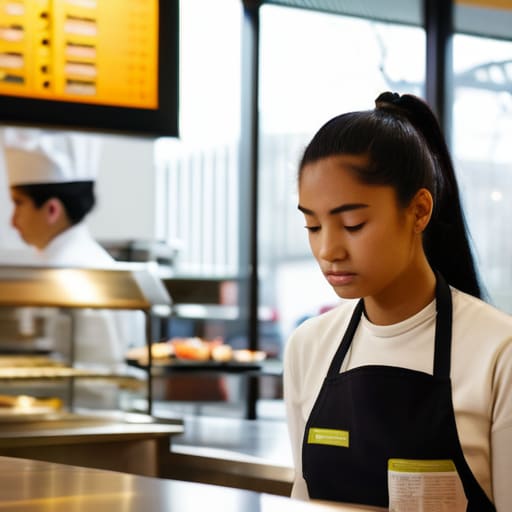
I’ve spent half my career standing in steaming school kitchens, watching the chaos of lunch service unfold, and if there is one thing I’ve learned, it’s that people love to overcomplicate the simple math of survival. You’ll hear economists drone on about “socioeconomic variables” and “nutritional equity frameworks,” but they aren’t the ones sitting at a kitchen table at 6:00 PM trying to figure out if the grocery budget can cover both milk and electricity. When we talk about how universal free meal programs affect families, we aren’t talking about abstract policy; we are talking about removing one more unpredictable variable from a parent’s daily survival math.
I’m not here to give you a polished lecture or a political manifesto. I want to talk about the reality of what happens when that weight is lifted—and the practical, often messy, ways it changes the rhythm of a household. I’ll be sharing what I’ve seen from the front lines of school catering: the actual, unfiltered impact on family stability and the logistical reality of making these programs work without falling apart at the seams.
Economic Relief for Working Families and the Bottom Line

When I’m sitting in a school kitchen during a quiet period, I don’t just see trays of food; I see the math that parents are doing at their kitchen tables at 6:00 AM. For a family living paycheck to paycheck, the cost of school lunches isn’t just a line item—it’s a variable that can derail an entire week’s budget. Providing these meals at no cost offers genuine economic relief for working families, acting as a predictable stabilizer in an unpredictable economy. It means that even when the heating bill is higher than expected or the car needs a repair, the kids aren’t the ones paying the price through empty stomachs.
Beyond the immediate savings, there is a profound shift in the classroom when we talk about reducing food insecurity in low-income households. When a child knows their lunch is guaranteed, regardless of what’s happening at home, they can actually focus on the lesson instead of the hunger pangs. It moves us away from that old, broken system of “means-testing” where kids are singled out for being poor. By making it universal, we stop the social friction and start focusing on what actually matters: making sure every child has the fuel they need to learn.
Reducing Food Insecurity in Low Income Households Sustainably
When I look at a school kitchen, I don’t just see trays and steam; I see the physical manifestation of a child’s stability. For families living on the razor’s edge, a universal meal program isn’t a “social benefit”—it is a predictable, reliable constant in an otherwise chaotic week. By reducing food insecurity in low-income households, we aren’t just filling stomachs; we are removing the frantic, invisible math parents have to do every single morning. When the school handles the midday meal, it creates a safety net that doesn’t require a mountain of paperwork or a humiliating application process to access.
This brings me to something I care deeply about: the social friction of the lunchroom. One of the most profound socioeconomic benefits of universal school meals is the quiet power of stigma reduction. When every child, regardless of their home situation, sits down to the same meal, the “poor kid” label loses its teeth. You stop seeing the divide between the kids with the expensive lunchboxes and the ones relying on the school. That kind of nutritional equity is what actually supports long-term childhood development, because a child who isn’t worried about their next meal is a child who can actually focus on their maths.
Beyond the Plate: What Universal Meals Actually Change for a Family
- Removing the “Lunchbox Anxiety” Variable. When a child’s nutrition is guaranteed by the school, a parent’s daily mental load lightens. You aren’t constantly calculating if the remaining grocery budget can stretch to cover a specific brand of bread or a side of fruit; you’re just managing the basics.
- Breaking the Stigma of the “Free Meal” Label. One of the biggest hurdles I see is the social cost. Universal programs mean the child with the expensive organic lunchbox and the child with the school-provided meal are eating the same thing, side by side. It stops nutrition from becoming a visible marker of poverty.
- Stabilising the Household’s Weekly Cash Flow. For families living on the edge, food costs aren’t a flat line; they are a series of spikes. Universal meals act as a predictable buffer, allowing parents to divert those “saved” lunch pennies toward more volatile costs like heating, electricity, or unexpected medical bills.
- Improving Nutritional Consistency for Developing Kids. It’s hard to teach a child about balanced diets when the home cupboard is inconsistent. A reliable school meal provides a nutritional baseline that ensures even if dinner is just toast and tea, the child has had a structured, regulated intake of proteins and veg during their most critical hours.
- Reducing the “Hidden” Costs of Food Insecurity. When families are stretched, they often buy cheaper, ultra-processed foods that are calorie-dense but nutrient-poor. Universal programs act as a preventative measure, ensuring that the lack of funds doesn’t translate into long-term health issues that eventually cost the family (and the state) much more in the long run.
Beyond the Budget Sheet
At the end of the day, we have to stop looking at universal free meals as a line item on a spreadsheet and start seeing them for what they actually are: a structural safety net. We’ve talked about how this relieves the crushing weight of daily grocery math for working parents and how it provides a consistent, reliable baseline of nutrition for kids who might otherwise go without. But it’s more than just calories and cents; it’s about removing the constant, low-level anxiety that comes with wondering if there will be enough left in the cupboard by Thursday. When a school takes that responsibility on, they aren’t just feeding children; they are stabilizing the entire household ecosystem.
I’ve spent sixteen years looking into the cracks of how we feed people, and I know that real change doesn’t usually come from grand, sweeping gestures—it comes from the boring, reliable systems that actually work when things get chaotic. Universal meals are one of those systems. They provide a predictable foundation that allows families to breathe and allows children to focus on being kids rather than being hungry. If we want to build communities that are resilient, we have to start by ensuring that the most basic human necessity is never a variable in a family’s struggle for survival. It is time we treat school meals not as a luxury or a handout, but as essential infrastructure.
When we talk about the systemic relief these programs provide, we have to acknowledge that the pressure doesn’t just stop at the school gates; it carries right into the home. For many parents, the mental load of managing a household budget while trying to ensure their children are eating well is exhausting. I often see that when the financial sting of school meals is removed, parents finally have the breathing room to focus on the quality of what’s actually on the table. If you are looking for ways to navigate these shifting domestic dynamics or find community support as you adjust your family’s routine, checking out Matureladies can be a practical way to find useful insights and connection during these transitions. It’s about finding those small, reliable anchors when the bigger economic picture feels a bit too heavy to carry alone.