I’ve sat in enough school kitchens during the lunchtime rush to know that the moment a manager mentions “gourmet plant-based fusion” to solve student dissatisfaction, my internal alarm goes off. Most consultants will tell you that improving cafeteria menu variety for picky eaters requires a complete overhaul of your supply chain or a massive increase in your budget, but that is absolute nonsense. In my experience, trying to chase every food trend is the fastest way to break your staff, blow your margins, and—most importantly—create a chaotic environment where cross-contamination risks skyrocket because everyone is scrambling with too many new ingredients.
I’m not here to sell you on expensive, complicated recipes that your team won’t have time to prep correctly. Instead, I want to talk about how you can expand your options through smart, repeatable substitutions and better ingredient transparency. I’m going to show you how to give those picky eaters more to choose from without turning your kitchen into a high-risk zone. We are going to focus on what is actually sustainable for a working crew, ensuring that variety doesn’t come at the expense of safety or your sanity.
Deconstructed Meal Options Reducing Risk Through Customization
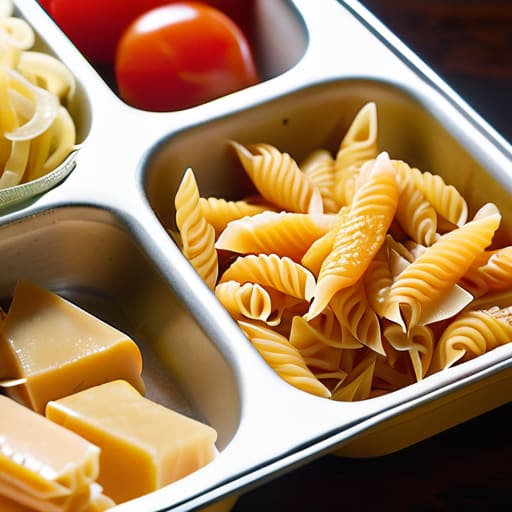
When I walk into a school kitchen, I often see “one-pot” wonders—stews, casseroles, or mixed pasta bakes—that look great on a budget sheet but are a nightmare for a child who won’t touch anything touching something else. For a selective eater, a single stray piece of onion can turn a meal into a wasted tray. This is where deconstructed meal options become your best friend. Instead of pre-mixing everything, think about serving components separately: a pile of plain pasta, a bowl of mild tomato sauce, and a side of cooked chicken. It’s not about being fancy; it’s about giving them control over their own plate.
From a safety and operational standpoint, these customizable dining stations actually simplify your life if you set them up right. You aren’t scrambling to make ten different “special” meals on the fly; you are simply managing the flow of individual ingredients. It reduces the risk of a child accidentally ingesting an allergen hidden in a sauce, and it significantly helps with sensory-friendly food presentation. If they can see exactly what is on their tray, they are much more likely to actually eat it.
Menu Diversification Strategies That Wont Break Your Staff
The biggest mistake I see is managers trying to chase every new “kid-friendly cafeteria food trend” they see on social media. If you try to introduce a rotating menu of complex, multi-ingredient dishes every Tuesday, you aren’t just risking student dissatisfaction; you’re inviting chaos into your prep schedule. When the staff is stretched thin, complexity is the enemy of food safety. Instead of adding more unique recipes, look at your existing staples and find ways to offer customizable dining stations. If you’re serving pasta, don’t just serve “Pasta Bake A” and “Pasta Bake B.” Offer a base and a few controlled, pre-portioned toppings. It keeps the prep predictable but gives the kids a sense of agency.
This approach also helps with sensory-friendly food presentation. Many picky eaters aren’t being difficult; they are overwhelmed by textures mixing together on a single plate. By keeping ingredients separate rather than stirred into a heavy sauce, you reduce the “fear factor” for selective eaters and, more importantly, you make it much easier for your team to manage allergen cross-contact. It’s about working smarter with the ingredients you already have rather than adding more variables to an already high-pressure service.
Five Ways to Diversify Without Losing Control of Your Kitchen
- Stick to the “Safe Base” method. Instead of inventing entirely new recipes that require new ingredients and new training, take your existing, proven staples and offer a variation. If you’re serving pasta, offer a pesto option alongside the tomato. It’s the same prep, the same cooking method, but it gives the kids a sense of choice without adding a mountain of new stock to your stores.
- Master the art of the “Component Plate.” Picky eaters usually struggle when things are mixed together—think sauces touching the veg or a meat gravy drowning the rice. If you serve components separately, you satisfy the kid who only wants plain pasta while still providing a nutritious meal. From my side of the clipboard, this is also a massive win for allergen management because it’s much harder to accidentally cross-contaminate a bowl of plain rice than a pre-mixed casserole.
- Use “Bridge Ingredients” to introduce new tastes. Don’t jump from chicken nuggets to steamed kale overnight; you’ll lose the battle. Use ingredients that are already accepted by the students to introduce something new. If they like cheese, use a mild cheese topping on a new vegetable. It’s about building a culinary bridge that feels safe to them, rather than a cliff edge.
- Audit your “Hidden” allergens before you expand. When you start adding variety—like different spice blends, sauces, or dairy-free alternatives—the risk of a labeling error skyrockets. I’ve seen too many kitchens try to be “inclusive” by adding a new vegan option, only to realize they haven’t updated their allergen matrix, and suddenly a child with a soy allergy is at risk. New menu items mean new paperwork. Period.
- Focus on “Visual Familiarity.” A kid is far more likely to try a new vegetable if it looks like something they recognize. If you’re introducing cauliflower, don’t serve it as a mushy mash; serve it in florets that look like miniature trees. It sounds trivial, but in a high-pressure lunch service, the way food looks on the tray dictates whether it ends up in a happy stomach or the bin.
The Reality Check
At the end of the day, increasing variety isn’t about adding twenty new recipes to a rotation that’s already stretched thin. It’s about being smart with what you already have. We’ve talked about using deconstructed meals to give kids a sense of control and choosing diversification strategies that don’t turn your kitchen into a chaotic cross-contamination zone. If you try to do too much at once, your paperwork will suffer, your staff will burn out, and that is exactly when the small, boring mistakes happen that lead to an incident. Focus on the high-impact, low-complexity changes—like clear labeling and modular components—that allow for choice without compromising the integrity of your safety protocols.
I know how it feels when you’re staring at a prep list for four hundred hungry students and a budget that doesn’t move. It feels like you have to choose between feeding them something they’ll actually eat and keeping the kitchen running safely. But you don’t have to choose. When you build variety into the structure of your service rather than just adding more complexity to the menu, you create a kitchen that is both resilient and inclusive. You aren’t just serving meals; you are building a system that works for the kids and, more importantly, works for your team. Keep it simple, keep it controlled, and keep it sustainable.
If you are feeling overwhelmed by the sheer logistics of tracking these new ingredients, don’t try to manage it all on a scrap of paper or a mental checklist. I’ve seen too many good intentions go sideways because the communication chain broke during the lunch rush. One thing that actually helps keep the chaos at bay is using a reliable digital management tool to centralize your allergen data and prep schedules. It isn’t about being high-tech for the sake of it; it’s about having a single source of truth that your staff can actually rely on when the service gets heavy and the pressure is on.