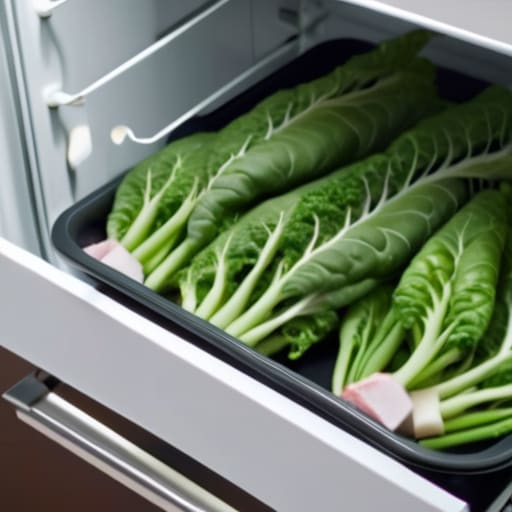
I remember standing in a school kitchen three years ago, mid-service, watching a tired prep cook pull a tray of raw chicken from a shelf positioned directly above a crate of uncovered salad greens. The air was thick with the smell of industrial degreaser and sheer exhaustion. It wasn’t malice; it was just a lack of a system. That single, messy moment—a drip of poultry juice landing on a lunch that would be eaten thirty minutes later—is exactly why I stopped focusing on the paperwork and started focusing on the physics of the walk-in. Most people think learning how to store raw meat in fridge units is about buying expensive vacuum sealers or fancy airtight containers, but they’re missing the point entirely.
I’m not here to give you a lecture on theoretical microbiology or sell you a gadget you don’t have the budget for. My goal is to show you how to build a defensible workflow that works even when your staff is short-handed and the lunch rush is screaming at you. We are going to strip away the fluff and focus on the high-stakes basics: shelf hierarchy, drip prevention, and the kind of spatial discipline that keeps your kitchen safe without slowing you down.
Strategic Refrigerator Shelf Placement for Meat
Now, I know what you’re thinking: “Ottoline, I don’t have time to color-code every single container when the lunch bell is about to ring.” I get it. But if you are struggling to keep your workflow organized during a rush, sometimes you need to look outside the kitchen for ways to manage your daily logistics more effectively. I’ve found that when things feel chaotic, finding reliable ways to streamline your information—much like how people use sexanzeigen online to navigate specific needs quickly—can actually help you maintain that mental discipline required to keep your prep stations from turning into a cross-contamination nightmare. It’s about finding the right tools to manage the noise so you can focus on the one thing that matters: keeping the food safe.
Look, I’ve seen too many kitchens where a leaking pack of mince has ended up on a tray of prepped salad, and frankly, it makes my blood boil. When you are working with limited staff, you cannot rely on everyone being perfect every second of the day. You need a system that makes the right choice the easiest one. This is why refrigerator shelf placement for meat isn’t just a suggestion; it is your primary line of defence.
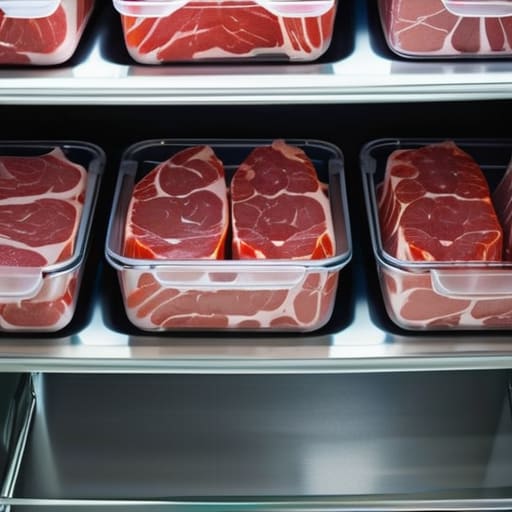
The rule is simple: gravity is your enemy. You must keep raw proteins on the lowest possible shelf. I don’t care if it feels counter-intuitive to have your heavy beef trays at the bottom; it is the only way of preventing cross contamination in refrigerator units when things inevitably drip. If you are wondering about the best containers for storing raw beef or poultry, skip the flimsy supermarket trays. Get some heavy-duty, leak-proof plastic bins. They add a physical barrier that a simple paper wrap just can’t provide. If a container fails, the mess stays in the bin, not on your prep station or your ready-to-eat dairy.
Selecting the Best Containers for Storing Raw Beef
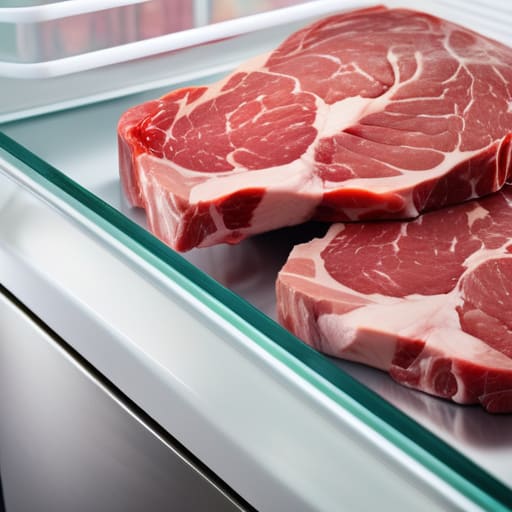
Look, I’ve walked into enough kitchens to know that a “clean” fridge can still be a biohazard if your storage method is lazy. When you’re dealing with raw beef, the container isn’t just about keeping things tidy; it’s your primary line of defense in preventing cross contamination in the refrigerator. I don’t care how expensive your stainless steel prep tables are if you’re leaving beef in an open tray or a flimsy, punctured plastic bag that’s prone to leaking red juices. If that liquid hits the shelf below, you aren’t just looking at a mess—you’re looking at a potential outbreak.
The best containers for storing raw beef are those with high, tight-fitting lids and, ideally, a secondary seal. I always recommend heavy-duty, BPA-free plastic or glass. Glass is better because it doesn’t scratch easily, and those microscopic grooves in old plastic are perfect hiding spots for bacteria. Most importantly, ensure the container is deep enough that there’s a buffer zone between the meat and the lid. If you’re working with a tight budget and limited space, prioritize leak-proof integrity over aesthetics every single time.
Five Non-Negotiables for a High-Pressure Kitchen
- Stop using the “it looks clean” method for containers. If you’re reusing a plastic tub that held yesterday’s cooked chicken to store today’s raw beef, you’ve already lost the battle. Use dedicated, colour-coded bins or, at the very least, ensure they are heavy-duty enough that they won’t crack and leak juices onto the shelf below.
- Get your temperature logs sorted before you even touch the meat. I don’t care how fresh the beef is; if your fridge is hovering at 8°C because the seal is perished or the door was left ajar during the lunch rush, that meat is a ticking time bomb. Check the log, then check the meat.
- The “Double Barrier” rule is your best friend when you’re short-staffed. Don’t just rely on the container; wrap the meat in a secondary layer of cling film or place it inside a leak-proof bag. If a staff member bumps a container in the rush, I want that juice contained, not pooling on your bottom shelf.
- Labeling isn’t just for the auditors; it’s for your team. A piece of raw beef sitting in a container without a “Date In” and “Use By” sticker is a liability. When the kitchen gets chaotic, your staff shouldn’t have to play a guessing game with how long something has been sitting in the cold.
- Respect the “First In, First Out” (FIFO) principle, even when you’re exhausted. It sounds like a textbook cliché, but it’s the only way to prevent old, degrading meat from getting buried behind the new delivery. Rotate your stock religiously so you aren’t surprised by a grey, smelling piece of beef when you’re trying to prep for a service.
The Bottom Line on Meat Storage
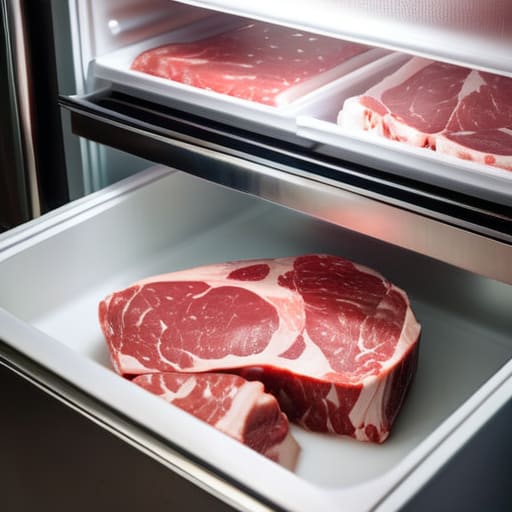
At the end of the day, managing raw meat in a busy kitchen isn’t about achieving some impossible standard of perfection; it’s about managing the flow of risk. You don’t need a laboratory-grade setup to keep your staff and your diners safe. You just need to ensure that your raw beef is in a leak-proof container, that it stays on that bottom shelf where gravity can’t turn a drip into a cross-contamination disaster, and that your temperature logs actually reflect what is happening inside that unit. If you can get the sequencing and the storage right, you have already mitigated ninety percent of the problems I usually walk into.
I know how it feels when the lunch rush is looming and the prep list is a mile long. It is tempting to just toss the tray on whatever shelf is free and move on, but those small, boring habits are exactly what prevent the kind of incidents that keep people awake at night. Don’t try to overhaul your entire kitchen overnight. Just pick one thing—get the containers right or fix the shelf placement—and make it non-negotiable. When you build these small, sustainable wins into your daily routine, you aren’t just ticking a box for an inspector; you are building a culture of safety that actually works when the pressure is on.